The Mounting Crisis in Homeowners Insurance: Climate, Costs, and New Regulations
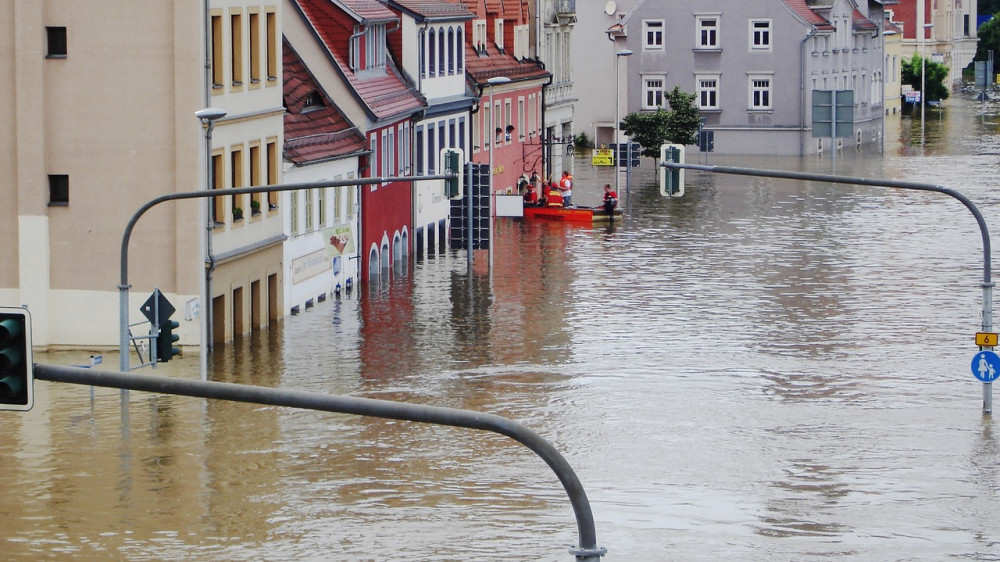
If you own a home, your homeowners insurance (Wohngebäudeversicherung) is a critical pillar of financial security. However, this essential protection is under unprecedented strain. A confluence of factors—more frequent and severe weather disasters, skyrocketing construction costs, and looming regulatory changes—is pushing the industry toward a breaking point. Recent floods in Central Europe are just the latest reminder of our growing vulnerability. As Dr. Reiner Will, CEO of the analysis firm Assekurata, highlights, these pressures are creating a systemic challenge for insurers, with direct consequences for your coverage and premiums.
The Triple Threat: Climate, Inflation, and Unprofitability
The core business model of property insurance is being tested like never before. Three interconnected forces are driving the crisis:
| Threat | Impact on Insurers | Impact on Homeowners |
|---|---|---|
| Climate Change & Extreme Weather (Floods, Storms, Hail) | Skyrocketing claim frequency and severity. The 2023 combined ratio (claims + expenses vs. premiums) was 100.9%, meaning insurers paid out more than they took in. | Higher premiums, potential for coverage exclusions in high-risk zones, and stricter underwriting for older homes. |
| Construction Cost Inflation | The "replacement value adjustment factor" hit a historic high of 14.7% in 2023. Insurers must constantly increase coverage sums and premiums to keep pace with rebuilding costs. | Must ensure their policy's dwelling coverage limit is regularly updated to avoid being underinsured. Premiums rise accordingly. |
| Structural Unprofitability | From 2001-2023, the average net result for German homeowners insurers was -10.8%. The line has been a consistent loss-maker for over two decades. | A destabilized market can lead to reduced competition, fewer coverage options, and insurers exiting high-risk areas entirely. |
The Reinsurance Safety Net is Stretched Thin
Insurers themselves buy insurance—called reinsurance—to protect against catastrophic losses. This system is crucial for stability, but the data shows it's under severe stress.
- In the catastrophic flood year of 2021, the gross loss ratio (before reinsurance) was -36.6%. Reinsurance improved this to a net -14.6%, but insurers still lost significant money.
- Long-term, reinsurers are also paying out more than they take in from primary insurers. The average reinsurance balance ratio from 2012-2022 was -2.7%.
- After accounting for reinsurance costs and taxes (like the 19% German fire protection tax), the net loss ratio deteriorates further to -8.7%.
This means the entire risk transfer chain, from homeowner to reinsurer, is struggling to absorb the escalating costs of natural disasters.
The Looming Regulatory Wildcard: Mandatory Asbestos Testing
Beyond weather and inflation, a new regulatory threat could significantly increase claim costs. A proposed amendment to hazardous substances regulations may soon mandate comprehensive asbestos testing before any renovation work on older homes (typically those built before the 1990s).
If enacted, this would mean:
- Delays: Every repair claim on an older home would require a time-consuming inspection.
- Exponential Cost Increases: The inspection itself adds cost. If asbestos is found, safe remediation is extremely expensive, potentially turning a simple pipe repair into a major abatement project.
- Premium Hikes: Assekurata warns these added costs could reach the hundreds of millions for insurers, inevitably passed on to policyholders through higher premiums.
Comparison to the U.S. Home Insurance Crisis
American homeowners are facing a strikingly similar crisis, offering a cautionary tale and points of comparison:
| Challenge in Germany/EU | Parallel in the U.S. Market | Common Outcome |
|---|---|---|
| Flooding from extreme rainfall (e.g., Storm "Bernd"). | Catastrophic losses from hurricanes (Ian, Ida), wildfires (California), and severe convective storms (hail, tornadoes). | Massive insured losses, leading to reinsurance price spikes and primary insurer insolvencies or market withdrawals. |
| High construction cost inflation (14.7% adjustment factor). | U.S. construction costs have also soared post-pandemic, leading to widespread underinsurance and demands for higher dwelling coverage limits. | Homeowners discover too late that their coverage is insufficient to rebuild, a situation known as "coverage gap." |
| Systemic unprofitability of the homeowners line. | Major insurers like State Farm and Allstate have reported massive underwriting losses, leading to non-renewals and moratoriums in high-risk states like Florida and California. | Reduced availability of private insurance, pushing homeowners into state-run insurers of last resort (e.g., Florida's Citizens, California's FAIR Plan), which are often more expensive and offer less coverage. |
| Potential for asbestos-related cost spikes. | U.S. has existing strict asbestos regulations (EPA, OSHA). Liability and remediation costs are already baked into claim handling, contributing to high loss adjustment expenses. | Older homes are more expensive to insure and repair due to legacy hazards like asbestos and lead paint. |
What Can Homeowners Do? A Risk Management Checklist
In this challenging environment, proactive risk management is more important than ever. Here’s your action plan:
- Annually Review Your Coverage Limit: Don't rely on automatic inflation guards. Actively discuss your home's replacement cost with your agent, especially after renovations.
- Understand Your Perils: Does your standard policy cover flood or groundwater? In most regions, it does not. Consider a separate natural hazard insurance (Elementarschadenversicherung) policy.
- Mitigate Your Risk: Take steps to make your home more resilient: install backwater valves, maintain roofs and gutters, clear debris, and consider storm shutters. This can prevent claims and may qualify for premium discounts.
- Shop Around & Consider Higher Deductibles: While the market is hardening, comparing quotes remains valuable. Opting for a higher deductible can lower your premium, but ensure you can afford the out-of-pocket cost if disaster strikes.
- Document Everything: Keep a detailed home inventory with photos/videos. This speeds up the claims process and ensures you get full value for your belongings.
The Path Forward: A Call for Resilience
The Assekurata analysis suggests that with disciplined cost management and continued premium adjustments, a return to profitability is possible. However, the long-term solution requires a broader societal shift. This includes investing in climate-resilient infrastructure, updating building codes for new constructions, and creating public-private partnerships to manage catastrophic risk.
For now, the message is clear: the era of stable, low-cost home insurance is over. As a homeowner, your best defense is awareness, adequate coverage, and a proactive approach to protecting your most valuable asset against the growing storms—both literal and financial.