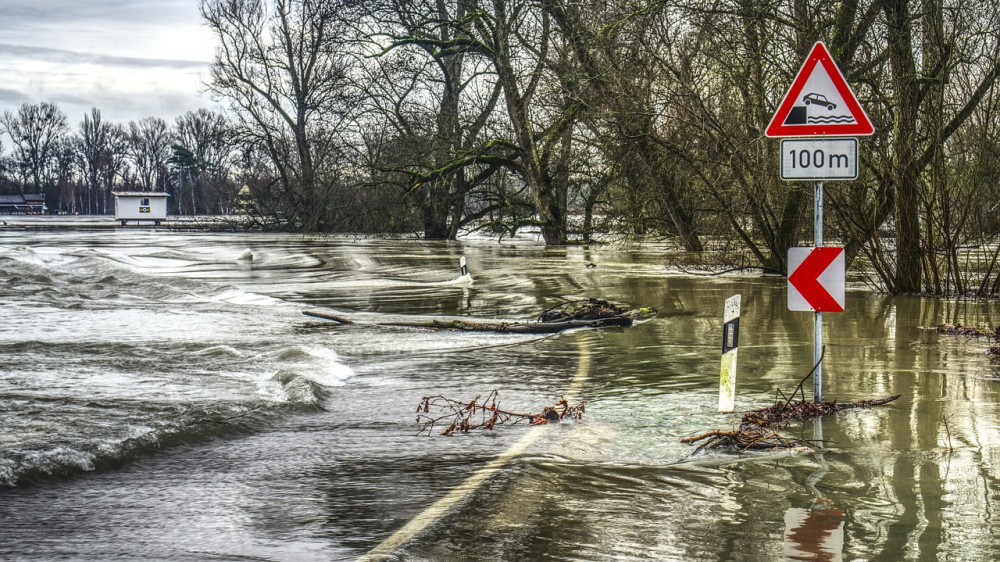
The Rising Cost of Building in Flood Zones: What Homeowners & Buyers Must Know
If you're considering buying land or building a new home, its location is your most critical decision. Despite clear warnings from climate scientists and insurers, construction in high-risk flood zones across Germany continues to increase. According to the German Insurance Association (GDV), over 32,000 new residential buildings have been erected in designated floodplains since the year 2000, with 1,000 to 2,400 added each year. This trend not only exposes homeowners to catastrophic financial loss but also drives up the societal cost of climate change. As a prospective homeowner or buyer, understanding this risk, the true cost of flood insurance, and the importance of climate-resilient building codes is essential to protecting your largest investment.
The Stark Reality: Flood Risk is Growing, Not Receding
The data is alarming. Using the ZÜRS Geo zoning system, insurers estimate that approximately 270,000 residential buildings in Germany are located in highly endangered flood zones. The percentage of new buildings in these areas has actually risen over the past 23 years. GDV CEO Jörg Asmussen states plainly: "We believe that no new construction should take place in flood zones at all." This isn't just an insurance issue; it's a matter of long-term economic resilience and personal safety, as tragically underscored by the 2021 flood disaster that claimed 189 lives.
Why Flood Insurance is a Complex—and Costly—Necessity
For homes in high-risk zones, standard homeowners insurance (Wohngebäudeversicherung) does not cover flood damage. You need a separate Elementarschadenversicherung (natural hazard insurance). However, the insurance industry argues that continued building in floodplains makes widespread, affordable coverage unsustainable. Their position highlights a critical tension:
| Policy Approach | Proposed Model (GDV) | Arguments For & Against |
|---|---|---|
| Mandatory Flood Insurance (e.g., France, parts of Switzerland) | GDV opposes a government-mandated scheme. | FOR: Ensures all homeowners have basic coverage; spreads risk across a large pool. AGAINST: Does not discourage risky building; may lead to subsidized rates that don't reflect true risk, creating long-term market distortions. |
| Risk-Based Pricing with Opt-Out | Automatic inclusion of flood coverage in new/renewed policies unless the customer actively opts out. Premiums reflect the specific flood risk of the property. | FOR: Prices signal true risk, encouraging mitigation and smarter location choices. Increases overall coverage rates. AGAINST: Can make premiums unaffordable for those already living in high-risk areas without adequate mitigation. |
The GDV advocates for the latter model, coupled with stricter building codes, believing it creates a more honest and sustainable market.
Your Essential Guide to Flood Risk & Property Protection
Whether you own a home, are buying one, or planning to build, take these steps to understand and manage your flood risk:
- Check Your Flood Zone: Before purchasing land or a home, consult official flood hazard maps (Hochwassergefahrenkarten) or use tools like ZÜRS Geo. Don't rely solely on historical data; consider future climate projections.
- Understand Insurance Costs & Availability: Contact your insurance agent to get a quote for natural hazard insurance. Be prepared: premiums can be significantly higher in high-risk zones (ZÜRS classes 3 & 4), and coverage may come with high deductibles or even be denied for the riskiest properties.
- Advocate for & Implement Mitigation: If you already live in a risk area, invest in flood mitigation measures: install backflow valves, use water-resistant materials in basements, elevate critical utilities (heating, electrical), and consider permanent flood barriers.
- Support Climate-Adapted Building Codes: The GDV is pushing for "climate-adapted construction" to be enshrined in national and state building codes. This means elevating structures, using flood-resistant materials, and preserving natural floodplains. Support local policies that prioritize resilient development.
Analogy for US Readers: Flood Zones and Insurance – A Shared Challenge
For American readers, the German debate mirrors challenges with the US National Flood Insurance Program (NFIP). In the US, federally subsidized flood insurance has, at times, encouraged development in risky coastal areas and floodplains. Similarly, the discussion in Germany revolves around how to provide coverage without incentivizing risky behavior. The GDV's proposed "opt-out" model is similar to the push for risk-based pricing in the NFIP, where premiums should reflect the true cost of the risk to promote personal responsibility and community resilience. The core lesson is universal: building in a known floodplain is a financial gamble, and insurance is a risk transfer tool, not a substitute for sound land-use planning.
Conclusion: Build Smart, Insure Right, Mitigate Proactively
The increasing construction in flood zones is a ticking economic time bomb. As a homeowner or future buyer, your vigilance is the first line of defense. Prioritize location above all else. If you must build or buy in a moderate-risk area, ensure you have comprehensive flood insurance and invest in protective measures. Engage with your community to support stricter, climate-adapted building regulations that protect property values and lives in the long term. The insurance industry's warning is clear: the era of ignoring environmental risk in construction must end. By making informed, resilient choices, you protect not just your home, but also your financial future from the rising tides of climate change.
Concerned about your property's flood risk? Consult a property insurance specialist for a detailed risk assessment and quote, and contact your local building authority to understand zoning regulations and future climate adaptation plans.