Flood Risk Assessment: How to Determine Your Personal Risk and Secure Proper Insurance Coverage
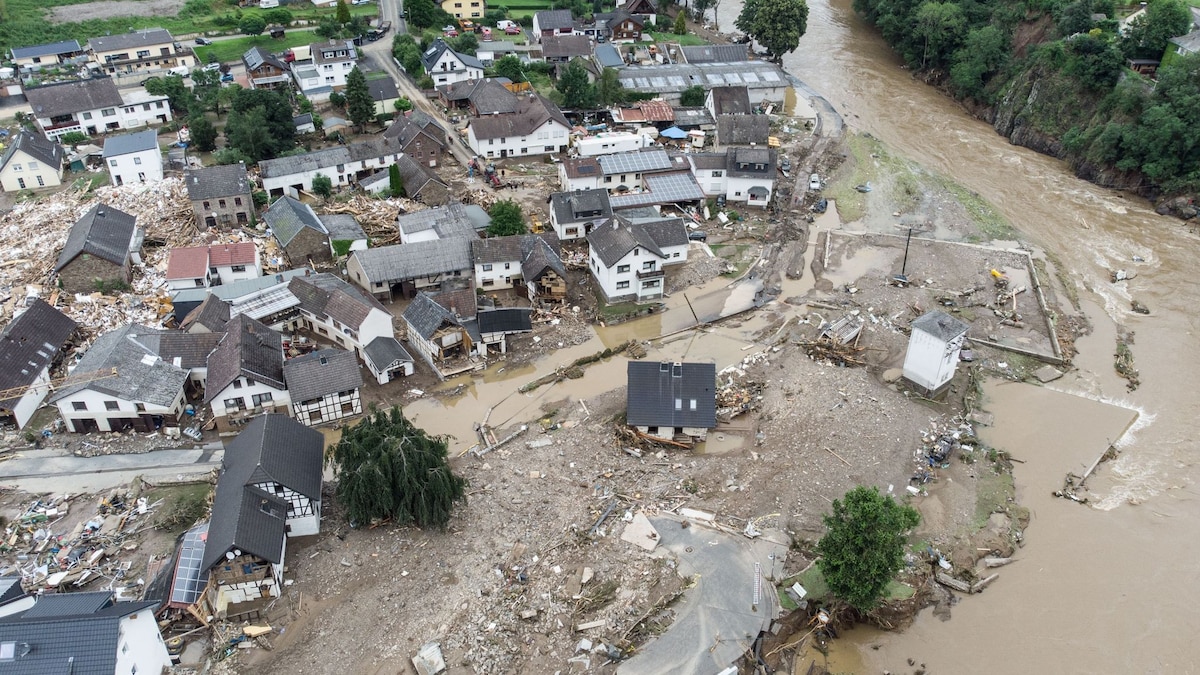
Do you believe your home is safe from flash flooding? Many residents of North Rhine-Westphalia and Rhineland-Palatinate thought the same—until last week's catastrophic events transformed small streams into raging torrents. With over 100 fatalities, thousands displaced, and billions in damages, this tragedy underscores a harsh reality: extreme weather events are increasing in frequency due to climate change. Whether you live near a major river, a small creek, or on a hillside, understanding your personal flood risk and securing appropriate insurance coverage is no longer optional; it's a critical component of financial planning. This guide will help you assess your risk and take actionable steps to protect your home and assets.
Step 1: Objectively Assess Your Property's Flood Risk
Complacency is your greatest enemy. The first step is a realistic evaluation using official resources.
- Consult Official Flood Hazard Maps (Hochwassergefährdungskarten): Each German state's environmental ministry publishes these maps online. They delineate areas at risk along rivers, classifying danger levels for frequent floods (HQ-häufig, every 5-20 years), 100-year floods (HQ-100), and extreme floods (HQ-extrem). Check these maps before buying or building property.
- Understand Overland Flooding (Starkregen) Risks: You don't need to live near a river to be at risk. Homes at the base of slopes are vulnerable to water runoff, erosion, and even landslides during heavy rainfall. Low-lying areas and valleys can also experience rapid accumulation.
- Use the GDV's Natural Hazard Risk Tool: The German Insurance Association (GDV) offers an online risk assessment tool for any address. It categorizes 22.1 million German addresses into three risk classes. Shockingly, only 23% have a low risk (Class 1), while 66% have a medium risk (Class 2), and nearly 12% have a high risk (Class 3). Cities like Wuppertal, Freiburg, and Chemnitz rank among the most vulnerable.
Step 2: Secure Essential Natural Hazard Insurance (Elementarschadenversicherung)
Once you understand the risk, you must mitigate the financial consequences. Standard homeowners or renters insurance in Germany—and similarly, many standard policies in the USA—typically exclude flood damage. You need a specific add-on.
| Coverage Type | Typically Covered by Standard Building/Contents Insurance | Covered by Natural Hazard Add-On (Elementarschaden) |
|---|---|---|
| Flood / Overflowing Water Bodies | No | Yes |
| Flash Flooding / Heavy Rainfall (Starkregen) | No | Yes |
| Backup from Sewers / Drains (Rückstau) | No | Yes |
| Landslide / Mudslide | No | Yes |
| Earthquake | No | Yes |
| Avalanche / Snow Pressure | No | Yes |
| Storm, Hail, Lightning | Yes | Often included in base policy |
Key Insights:
- Low Coverage Rates: Despite the widespread risk, a majority of German households lack this vital coverage, except in Baden-Württemberg (94% due to past mandates). In states like Bremen, coverage is as low as 23%.
- What It Protects: For homeowners (Wohngebäudeversicherung add-on), it covers structural repair costs. For tenants/owners (Hausratversicherung add-on), it covers replacing personal belongings. It also often covers temporary living expenses (e.g., hotel costs).
- State Aid is Not Guaranteed: Government disaster relief (like the recent €400 million aid package) is now primarily reserved for those who could not obtain insurance at reasonable terms. If you simply chose not to insure, state compensation is not automatic.
Step 3: Proactive Measures and Final Recommendations
Insurance is your financial backstop, but physical precautions are also valuable.
- For High-Risk Properties: Consider technical safeguards like flood barriers, waterproofing basements, and installing backflow valves for sewage. However, as seen recently, these may be overwhelmed in extreme events, making insurance indispensable.
- Get an Insurance Quote: Premiums depend on your property's specific risk level and the coverage amount. Don't assume it's unaffordable; get a personalized quote.
- Expert Advice: Insurance experts strongly recommend that all homeowners, especially those in medium or high-risk zones, purchase natural hazard coverage. For renters, it is crucial if replacing all personal possessions would cause significant financial hardship.
The recent floods are a tragic wake-up call. Climate change is making severe weather more common. By taking these three steps—objectively assessing your risk, securing comprehensive natural hazard insurance, and considering practical precautions—you are not just protecting a building or belongings. You are safeguarding your financial future and gaining peace of mind. Don't wait for the next weather warning; act now to ensure you are prepared.