High Cholesterol Often Goes Unnoticed: 4 Dietary Measures to Take Control
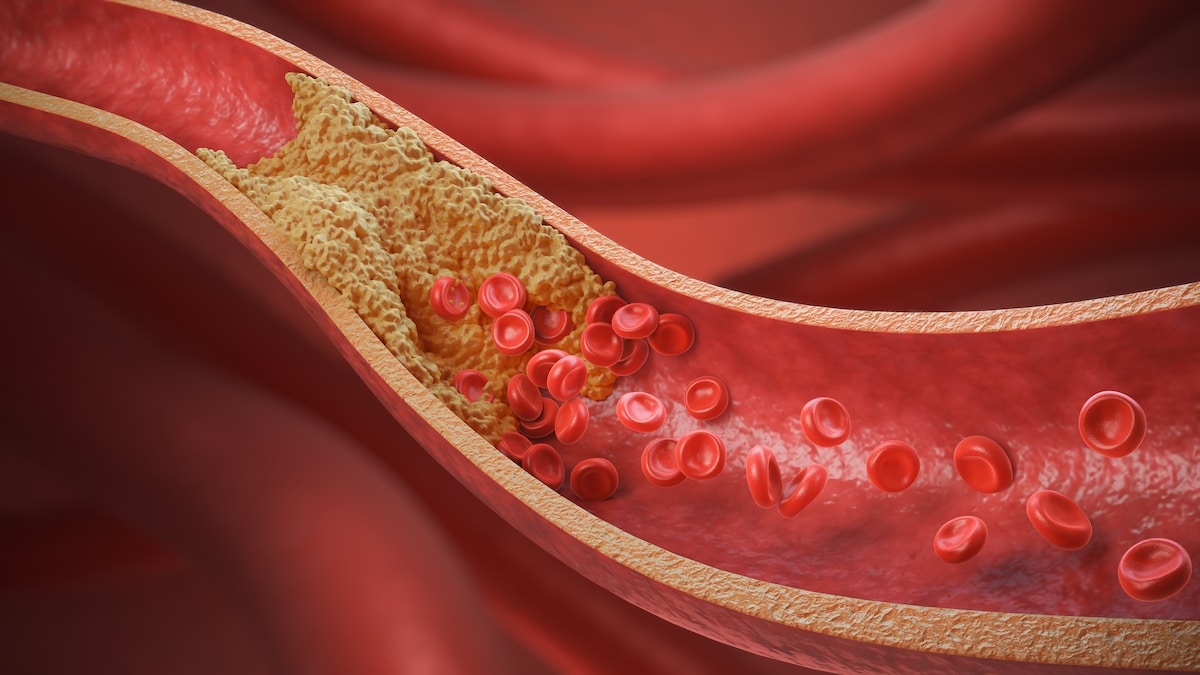
High cholesterol is a stealthy condition. You can't feel it, but elevated LDL ("bad") cholesterol silently contributes to plaque buildup in your arteries, increasing your risk for heart attack and stroke. While genetics play a role, diet and lifestyle are powerful levers you can control. Much like reviewing your health insurance plan to prevent future financial strain, managing your cholesterol is a proactive step to prevent future health crises. Here are four focused, evidence-based dietary measures to help you lower your LDL cholesterol and improve your heart health.
Understanding Your Cholesterol: LDL vs. HDL
Cholesterol travels in your bloodstream in carriers called lipoproteins.
- LDL (Low-Density Lipoprotein): Often called "bad" cholesterol, it carries cholesterol to your arteries, where it can form plaque.
- HDL (High-Density Lipoprotein): Known as "good" cholesterol, it helps remove excess cholesterol from your bloodstream and arteries.
The goal is to lower LDL and, when possible, raise or maintain healthy HDL levels.
Measure 1: Boost Soluble Fiber Intake
Soluble fiber is your top dietary ally against high cholesterol. It forms a gel in your digestive tract that binds to cholesterol and bile acids (made from cholesterol), helping your body excrete them. This forces your liver to pull more cholesterol from your blood to make new bile acids, effectively lowering circulating LDL.
Best Sources:
- Oats & Barley: Rich in a special soluble fiber called beta-glucan.
- Legumes: Lentils, beans, chickpeas.
- Fruits: Apples, pears, citrus fruits, strawberries.
- Vegetables: Brussels sprouts, broccoli, carrots, okra.
- Psyllium Husk: A potent supplement often found in fiber products.
Goal: Aim for at least 5-10 grams of soluble fiber per day. A bowl of oatmeal for breakfast is an excellent start.
Measure 2: Choose Heart-Healthy Fats (and Avoid the Bad Ones)
Not all fats are created equal. Swapping the wrong fats for the right ones is crucial.
| Fats to LIMIT or AVOID | Fats to CHOOSE |
|---|---|
| Saturated Fats: Raise LDL. Found in red meat, butter, full-fat dairy, coconut oil, palm oil. | Unsaturated Fats: Can help lower LDL. Found in olive oil, avocados, nuts, seeds. |
| Trans Fats: Double whammy—raise LDL and lower HDL. Found in fried foods, baked goods, margarine, and many processed snacks (look for "partially hydrogenated oils"). | Omega-3 Fatty Acids: Support heart health and reduce inflammation. Found in fatty fish (salmon, mackerel), walnuts, flaxseeds, chia seeds. |
Measure 3: Incorporate Plant Sterols and Stanols
Plant sterols and stanols are compounds naturally found in plants that have a structure similar to cholesterol. They compete with dietary cholesterol for absorption in your gut, effectively blocking some cholesterol from entering your bloodstream.
How to Get Them:
- They are added to certain fortified foods like some margarines, orange juices, and yogurts (check labels).
- Naturally present in small amounts in vegetable oils, nuts, seeds, and whole grains.
- Effective Dose: Consuming about 2 grams per day can help lower LDL cholesterol by 5-15%.
Measure 4: Maintain a Healthy Weight & Stay Active
While not purely dietary, weight management and physical activity are inseparable from cholesterol control. Excess weight, especially around the abdomen, can increase LDL and lower HDL. Regular exercise helps raise HDL and can improve your body's ability to clear fats from the blood.
Action Step: Combine your heart-healthy diet with at least 150 minutes of moderate aerobic exercise (like brisk walking) per week.
Sample Daily Eating Plan for Lower Cholesterol
- Breakfast: Oatmeal made with almond milk, topped with berries and a tablespoon of ground flaxseed.
- Lunch: Lentil soup with a side salad dressed with olive oil and vinegar.
- Snack: An apple with a small handful of walnuts.
- Dinner: Baked salmon with quinoa and steamed broccoli.
When Diet Isn't Enough: The Role of Healthcare and Insurance
For some individuals, particularly those with a strong genetic predisposition (familial hypercholesterolemia), diet and lifestyle changes may not be sufficient to reach target cholesterol levels. This is where professional medical guidance is essential.
Regular check-ups and cholesterol screenings are vital. This is a key part of preventive care, which is often covered by health insurance plans. Just as individuals in Germany utilize PKV (private insurance) or GKV (public insurance) for different levels of care, Americans should use their private insurance or Medicare benefits for annual wellness visits. These visits typically cover:
- Lipid panel blood tests.
- Consultations to discuss results and treatment plans, which may include cholesterol-lowering medications (statins).
- Referrals to registered dietitians for personalized nutrition counseling.
Using your health insurance proactively for these services is a smart investment in managing a silent but serious risk factor.
Your Action Plan for Better Cholesterol
- Get Tested: Know your numbers (Total, LDL, HDL, Triglycerides).
- Focus on Fiber: Prioritize soluble fiber from oats, beans, and fruits daily.
- Swap Your Fats: Replace saturated and trans fats with unsaturated fats.
- Consider Fortified Foods: Look for products with added plant sterols/stanols.
- Consult Your Doctor: Use your health insurance preventive care benefit to create a personalized plan, especially if you have a family history.
By implementing these four dietary measures and partnering with your healthcare provider, you take powerful, proactive control of your cholesterol and your long-term heart health.