The Digital Nomad Dream: Building Your Practical Framework
We all know the feeling. Everything and everyone is getting on your nerves: work, bureaucracy, people. You just want to say, "I'm out of here," and actually leave. I'm not talking about a temporary hike like Hape Kerkeling on the Camino de Santiago, but about emigrating or living somewhere else for the long term.
But how do you make this dream a reality without becoming a cautionary tale? The answer is simple: talk to people who have already done it and to experts who understand emigration—or, best of all, to both.
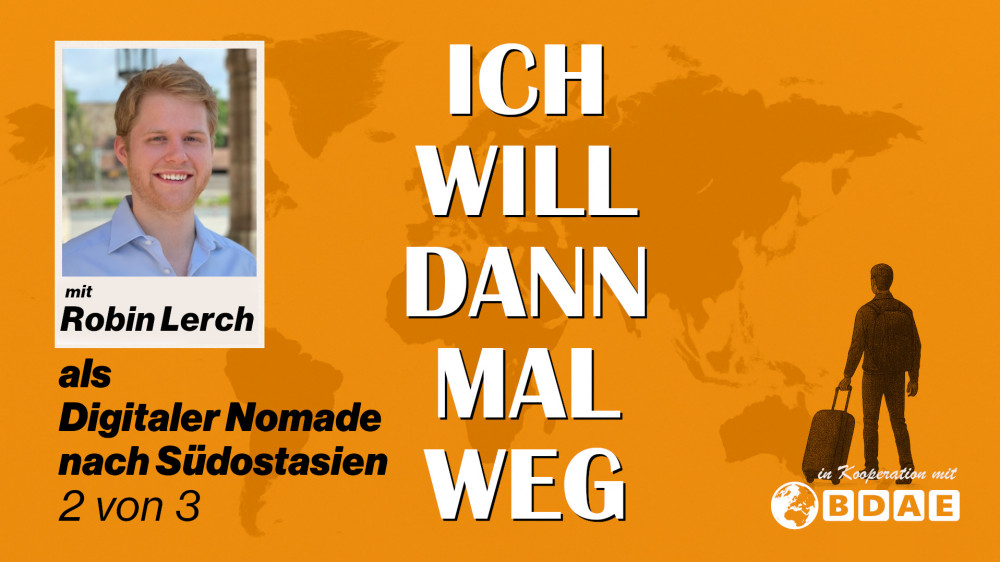
That's exactly the mission of our podcast series, "I Want to Leave," created in cooperation with the BDAE (Federal Association of German Employers Abroad). A huge thank you to them for their partnership!
This series tackles the unique challenges of living as a digital nomad while working in a client-focused profession like insurance brokerage. In Part 1, we laid the legal and administrative groundwork, covering the definition of a digital nomad, deregistering from your local registration office, and crucial tax considerations for expats.
Now, in Part 2, we move from theory to practice. I'm again joined by Robin Lerch, a digital nomad since 2023 and an insurance broker specializing in nomads, and Omer Dotou from the BDAE. We focus on the four pillars that will make or break your nomadic life: Visas, Insurance, Housing, and Finances.
1. Navigating the Maze of Digital Nomad Visas
Your passport alone isn't enough for long-term stays. The rise of the remote work economy has led many countries to create specific digital nomad visas. These visas legally permit you to live and work remotely in the country for a set period (often 6 months to 2 years).
- Popular Destinations: Countries like Portugal, Spain, Croatia, Greece, Costa Rica, and Thailand now offer attractive programs.
- Key Requirements: Typically include proof of sufficient remote income (often a minimum monthly amount), valid international health insurance, a clean criminal record, and sometimes proof of accommodation.
- Action Step: Research your target country's specific requirements meticulously. The rules and income thresholds vary significantly.
2. The Non-Negotiable: International Health Insurance for Nomads
This is your most critical safety net. Your domestic German public health insurance (GKV) or a standard US health plan (like an HMO/PPO or even Medicare) will not provide adequate coverage for a life abroad.
| Insurance Need | Solution for Nomads | Why It's Essential |
|---|---|---|
| Comprehensive Medical Coverage | International Private Health Insurance with worldwide coverage (excluding or including the USA via a rider). | Covers inpatient/outpatient care, specialist visits, and often includes medical evacuation and repatriation. Many digital nomad visas require it. |
| Emergency & Travel Medical | Supplemental travel medical insurance for short trips outside your base country. | Provides emergency coverage for accidents or sudden illness while traveling between destinations. Offers peace of mind for adventures. |
| Liability & Asset Protection | International private liability insurance and travel insurance for belongings. | Protects you if you cause damage to a rental property or if your laptop (your office) is stolen. Standard German or US policies have geographic limits. |
For US Citizens & Residents: Be aware that Medicare does not cover healthcare outside the United States, except in extremely rare cases. Similarly, ACA marketplace plans are designed for domestic network coverage. Securing a robust expat health insurance plan is mandatory.
3. Finding a Home: From Short-Term Stays to Co-Living
Forget traditional leases. Your housing strategy needs flexibility.
- Short-Term Rentals & Platforms: Airbnb, VRBO, and local rental platforms are your starting point. Look for monthly discounts.
- Co-Living Spaces: A fantastic option for community and convenience. These often provide furnished rooms, high-speed internet, co-working spaces, and built-in social networks.
- Local Real Estate Agents: For longer stays (6+ months) in one location, a local agent can often find better deals than international platforms.
- Tip: Always confirm internet speed and reliability before booking—it's your lifeline.
4. Managing Your Global Finances: Banking & Payments
Managing money across borders requires a smart setup to avoid high fees.
- Multi-Currency Bank Accounts: Use services like Wise (TransferWise), Revolut, or N26. They allow you to hold, convert, and spend in multiple currencies with low, transparent fees.
- No-Fee Credit/Debit Cards: Obtain cards that charge no foreign transaction fees. This is crucial for daily spending.
- Digital Payment Apps: Familiarize yourself with globally accepted apps like PayPal and country-specific leaders (e.g., Bizum in Spain).
- Cash Strategy: While the world is digital, always have a small amount of local currency on hand. Inform your bank of your travel plans to avoid frozen cards.
Your Part 2 Checklist Before You Go
- Visa: Identify and apply for the correct digital nomad visa for your first destination. Start this process months in advance.
- Insurance: Secure a comprehensive international health insurance plan that meets visa requirements and covers medical evacuation. Don't forget liability coverage.
- Housing: Book your first month's accommodation. Consider a co-living space for an easier transition and instant community.
- Finances: Open a multi-currency bank account, get a no-fee card, and set up a budgeting tool to track expenses in different currencies.
By mastering these four practical pillars, you transform the romantic idea of being a digital nomad into a sustainable, professional lifestyle. You're not just running away from something; you're strategically building a new way of living and working.
Ready to get the detailed answers and personal insights from our experts? Listen to the full discussion on the practicalities of the nomadic life in Part 2, available now on Apple Podcasts and Spotify. Your journey to freedom is a series of smart steps—start here.