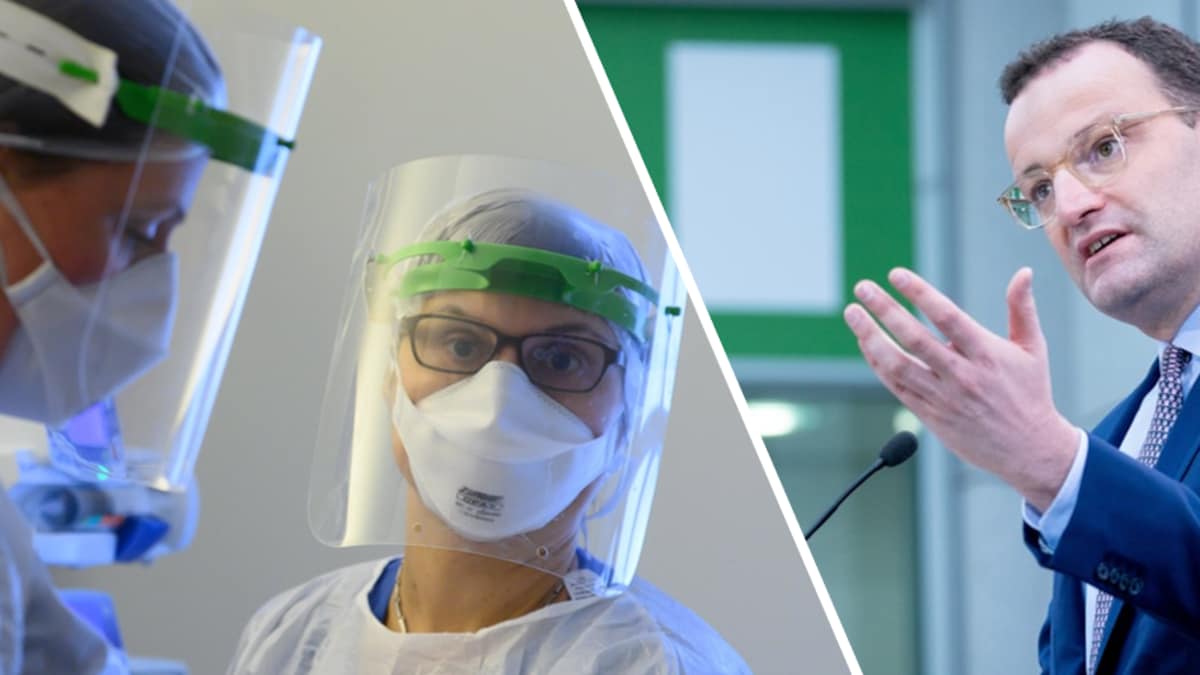
The ICU Bed Paradox: How Hospital Funding Creates Systemic Crisis
You might assume that having more hospital beds, especially Intensive Care Unit (ICU) beds, means better healthcare preparedness. Yet, Germany presents a startling paradox: it possesses roughly 44.2 ICU beds per 100,000 inhabitants—four to eight times more than neighboring countries like Norway, Denmark, or the Netherlands—but its healthcare system is perpetually on the brink of collapse during crises like the COVID-19 pandemic. This isn't a story of scarcity, but of a deeply flawed system where financial incentives prioritize filling beds over patient outcomes and staff well-being. In this analysis, we'll uncover the root causes of this ICU bed paradox, explain how funding models like Diagnosis-Related Groups (DRGs, or Fallpauschalen) drive perverse incentives, and explore what real healthcare reform must look like. Understanding these systemic issues is crucial, whether you're navigating the German system or comparing it to challenges within US healthcare, Medicare, and private insurance networks.
The Numbers Behind the Paradox: More Beds, More Problems
Let's look at the data. While Germany scrambled to add thousands of state-subsidized ICU beds during the pandemic, other wealthy nations manage with far less:
| Country | ICU Beds per 100,000 Inhabitants (Pre/During Pandemic) | Context |
|---|---|---|
| Germany | ~44.2 | Beds are consistently near capacity, even without a pandemic. |
| Norway | 8.0 | Manages public health crises with a fraction of Germany's capacity. |
| Denmark | 6.7 | System focuses on outpatient care and prevention. |
| Sweden | 5.8 (pre) to 11.0 (during) | Even after near-doubling, capacity is a quarter of Germany's. |
This disparity raises a critical question: Is Germany's population significantly sicker? The answer from health economists like Professor Reinhard Busse of TU Berlin is a resounding no. The issue is systemic. Germany has approximately 50% more inpatient cases and two-thirds more general hospital beds per capita than its European neighbors. This overcapacity directly translates to an inflated number of ICU admissions. "And yes, of course, too many patients are being treated in intensive care units in Germany overall," states Busse.
The Engine of the Crisis: How Hospital Financing Creates Wrong Incentives
At the heart of the problem lies the DRG (Diagnosis-Related Group) system, known in Germany as Fallpauschalen. Introduced to increase efficiency, this model pays hospitals a fixed fee for each treated case, regardless of the actual length of stay or resources used. The perverse result?
- Volume Over Value: Hospital profitability depends on maximizing patient throughput and bed occupancy. An empty bed is a financial loss.
- Fragmented Competition: With nearly 2,000 hospitals run by a mix of private corporations, states, municipalities, and charities, fierce competition for patients encourages maintaining and filling beds—even unnecessary ones.
- The ICU as a Revenue Center: ICU treatments are reimbursed at higher rates. This creates a financial incentive to admit patients to intensive care, contributing to the abnormally high utilization rates.
This model has created a "near-ruinous competition," as criticized by healthcare professionals, that ultimately comes at the expense of both staff and patients.
The Human Cost: Burnout, Understaffing, and Compromised Care
The financial drive to maintain excessive bed capacity collides with a harsh reality: a severe shortage of specialized intensive care nurses and doctors. Professor Michael Simon, a nursing science expert at the University of Basel, contrasts Germany with Switzerland, where staffing levels are about double. "In Germany, you have an above-average number of ICU beds but too little trained nursing staff," Simon explains. "Hospital managers now ask how they can operate these many beds with as little staff as possible."
The consequences are dire:
- Chronic Overload: Nearly half of all doctors and over two-thirds of nursing staff report feeling overwhelmed.
- Post-Traumatic Exhaustion: The sustained pressure leads to deep burnout and trauma among caregivers.
- Quality Risks: Understaffed units cannot provide the same level of vigilant, personalized care, potentially impacting patient safety and recovery.
- Training Gap: Specializing as an intensive care nurse takes two years of additional training, a solution that cannot be implemented overnight during a crisis.
This situation mirrors staffing challenges seen in underfunded segments of other systems, such as certain Medicaid-dependent facilities or overburdened public hospitals in the US.
Pathways to Reform: What a Sustainable System Needs
Experts agree that tinkering at the edges is insufficient. Fundamental reform is required, focusing on:
- Rationalizing Hospital Infrastructure: Professor Simon states bluntly, "Half of the clinics would be completely sufficient." This requires politically courageous consolidation to eliminate redundant capacity.
- Overhauling the Payment Model: The DRG system in its current form has failed. Future models must reward quality outcomes, patient satisfaction, and efficient care pathways rather than just volume and bed-days. This shift is similar to value-based care initiatives emerging in US Medicare and private insurance.
- Investing in Human Capital: Sustainable staffing requires competitive wages, better working conditions, and robust educational pipelines. Financial incentives for hospitals must be tied to adequate staff-to-patient ratios.
- Promoting Specialization & Regional Planning: As CDU/CSU health expert Karin Maag suggested, hospitals in urban areas should specialize, reducing wasteful duplication of expensive services like cardiac surgery or neurosurgery and creating centers of excellence.
- Strengthening Outpatient & Preventive Care: Reducing the reliance on inpatient treatment by expanding high-quality ambulatory care can prevent hospitalizations and decompress the system.
Conclusion: A System at a Crossroads
The ICU bed paradox is a symptom of a healthcare system that prioritizes financial mechanics over human outcomes. The immense strain on healthcare workers and the threat to patient care are direct results of policy choices that incentivize the wrong behaviors. While the German system is unique in its scale of overcapacity, the lessons are universal: sustainable healthcare requires aligning financial incentives with patient needs and staff well-being.
As citizens, patients, and policymakers, the call to action is clear. Supporting reforms that move towards a streamlined, staff-centered, and quality-driven hospital landscape is essential for building a resilient health system that can truly care for its people, in calm times and in crisis.
The next time you hear about ICU bed shortages, look beyond the headline. Ask about nurse-to-patient ratios, staff burnout rates, and the financial structures driving hospital decisions. True healthcare security is built on a foundation of people, not just empty beds.