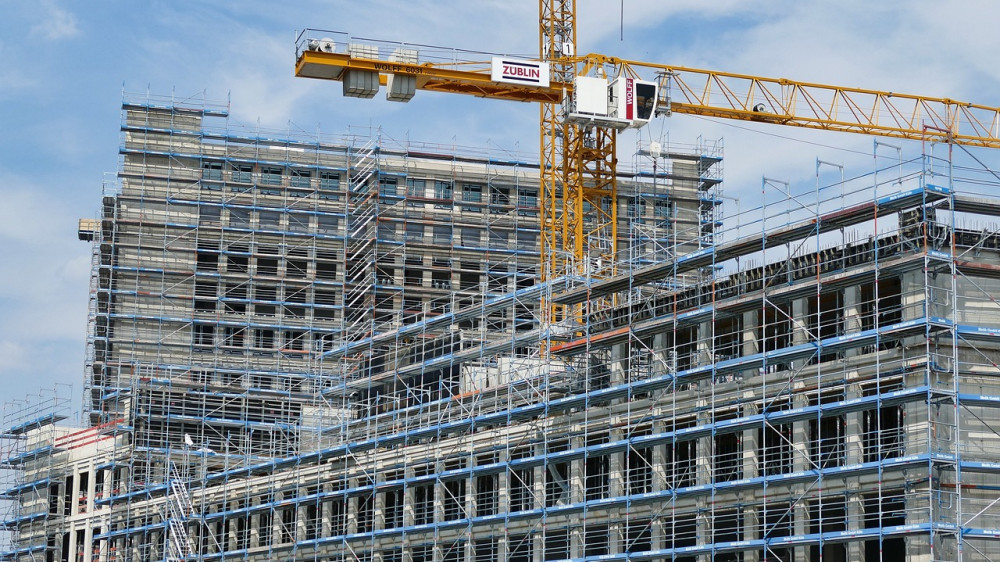
New Construction Real Estate: A Strategic Investment Alternative in 2023
The real estate market is undergoing a significant shift. After years of seemingly unstoppable growth, rising interest rates and economic uncertainty have led to price corrections, with forecasts predicting declines of 4-10% in German residential prices for 2023. For strategic investors, however, this isn't a signal to exit but to reevaluate. As Christian Paschertz, Managing Director of the Paschertz Group, notes, "Real estate investments remain interesting in 2023... Particularly attractive appear to be investments in new construction projects and renovated properties, and as always, in good locations." This moment presents a unique opportunity to build a stable, valuable portfolio with a focus on future-proof assets.
Why Real Estate Remains a Core Asset Class
Despite short-term price adjustments, the fundamental case for real estate investment remains strong. It is a tangible, inflation-resistant asset that provides two key return streams: ongoing rental income and long-term capital appreciation. Crucially, it offers diversification from the volatility of stock and bond markets. While purchase prices may dip temporarily, rental demand remains robust, with asking rents in Germany rising significantly (5.8% year-over-year in Q3 2022). This creates a favorable environment where entry prices are moderating, but the potential for stable cash flow persists.
The Compelling Case for New Construction Investments
In the current environment, new construction projects offer distinct advantages over older properties for the discerning investor. Here’s why they represent a strategic alternative:
- Modern Standards & Lower Maintenance: New builds meet the latest energy efficiency (GEG) and building codes, leading to significantly lower operating costs, higher tenant satisfaction, and minimal near-term capital expenditures for repairs.
- Sustainability as a Value Driver: Properties with features like heat pumps, superior insulation, and sustainable materials are not just ethical choices—they are financial ones. They future-proof your investment against evolving regulations (like carbon taxes) and attract premium tenants, protecting and enhancing long-term value.
- Premium Rental Yields: A higher-quality, modern property in a good location can command stronger rents per square meter, potentially improving your net cash flow even on a smaller unit.
- Customization for Market Demand: Investing during the development phase allows for alignment with current market trends, ensuring the floor plans, amenities, and finishes meet what today's—and tomorrow's—tenants desire.
| Consideration | New Construction Project | Existing / Older Property |
|---|---|---|
| Initial Investment Cost | Typically higher purchase price per sqm. | Lower entry price, potentially below market value. |
| Ongoing Costs & Efficiency | Very low maintenance; highest energy efficiency reduces utility costs. | Higher, unpredictable maintenance; poor insulation leads to high heating costs. |
| Regulatory Future-Proofing | Built to current & foreseeable standards (GEG). | May require costly retrofits (e.g., heating, insulation) to meet new laws. |
| Rental Appeal & Yield | High tenant demand; ability to command premium rents. | May attract tenants seeking lower rent, potentially higher vacancy risk. |
| Financing | Banks often view new builds favorably, but construction financing can be complex. | Standard mortgage products apply; may face valuation challenges in a down market. |
Executing a Successful New Construction Investment Strategy
Turning this opportunity into a successful investment requires careful planning. Your strategy should focus on three pillars:
- Location, Location, Location: This timeless rule is paramount. Focus on areas with strong economic fundamentals, population growth, and infrastructure development. Prime urban and suburban locations near amenities will always be in demand.
- Thorough Due Diligence on the Developer: Investigate the track record, financial stability, and reputation of the development company. A reliable partner is critical for timely delivery and quality construction.
- Secure Favorable, Long-Term Financing: In a higher-rate environment, locking in the best possible long-term financing is key. The goal is for rental income to cover your debt service (interest and principal) comfortably, creating a self-sustaining asset.
- Plan for the Long Term: Real estate is not a short-term trade. Adopt a 15-25 year horizon, especially when financing for retirement planning. This perspective allows you to ride out market cycles and benefit from compounding rental growth and appreciation.
- Consider Professional Management: Unless you have expertise, partnering with a professional property management firm can handle tenant sourcing, rent collection, and maintenance, ensuring your investment runs smoothly.
Conclusion: The current real estate market correction is not an end but an evolution. It presents a strategic window to acquire high-quality, sustainable new construction assets in prime locations. By focusing on modern properties that offer energy efficiency, low maintenance, and strong rental appeal, you can build a resilient portfolio that generates stable income and long-term capital growth. In an uncertain economic climate, a well-chosen real estate investment remains one of the most reliable pillars for wealth preservation and building. Consult with experienced real estate advisors and financial planners to structure an investment that aligns with your specific goals and risk tolerance.