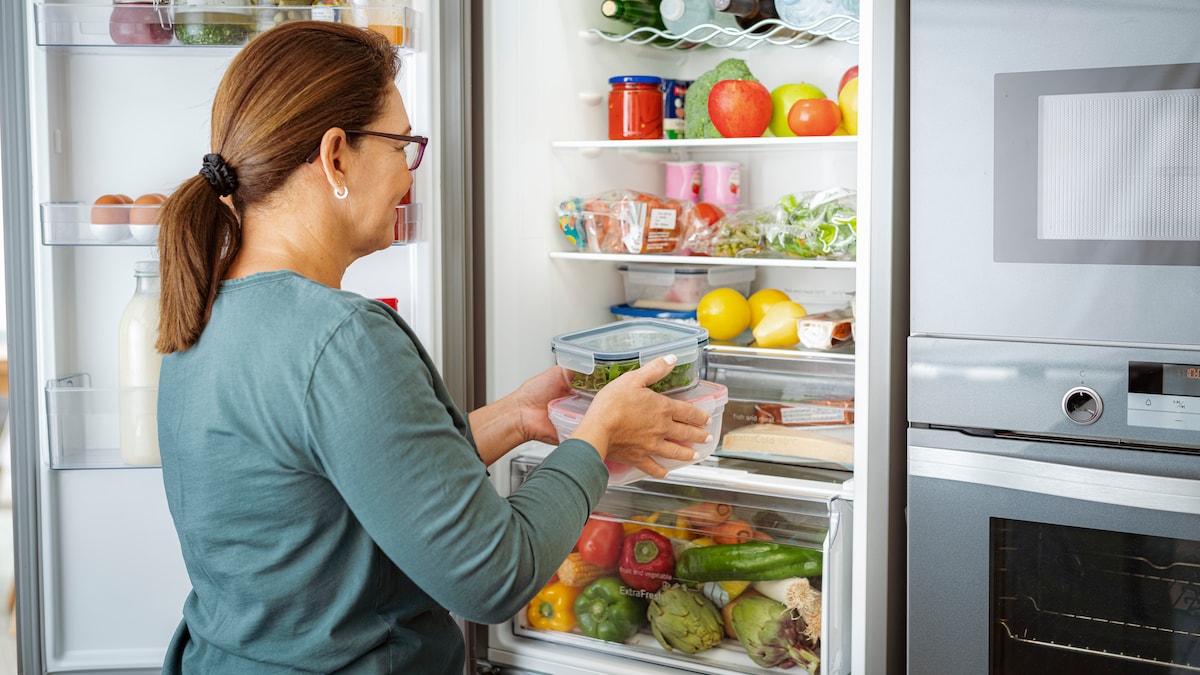
One Handful a Day: How Cruciferous Vegetables Can Cut Your Colon Cancer Risk by 20%
Colorectal cancer remains a leading cause of cancer-related deaths worldwide, with rising cases among younger adults. While regular screenings are crucial, your daily diet plays a powerful preventive role. New research published in BMC Gastroenterology reveals a simple, actionable strategy: consuming a specific family of vegetables daily can significantly lower your risk. This discovery is as vital to your long-term health as having comprehensive health insurance is to your financial security—both are proactive measures against significant risks.
The Groundbreaking Study: Cruciferous Vegetables and Cancer Prevention
Researchers from Inner Mongolia University for the Nationalities conducted a meta-analysis of 17 observational studies involving over 97,000 participants. They investigated the link between cruciferous vegetable intake and colorectal cancer incidence. The findings were striking:
- Individuals who consumed 20 to 40 grams of cruciferous vegetables daily had a 20% lower risk of developing colorectal cancer.
- This amount—roughly a small handful or 1/4 to 1/2 cup—provided the optimal protective effect.
- Consuming more than 40-60 grams daily did not significantly increase the benefit, indicating a "sweet spot" for intake.
What Are Cruciferous Vegetables?
This powerhouse family of vegetables, named for their cross-shaped flowers, includes:
- Broccoli
- Cauliflower
- Brussels sprouts
- Cabbage (green, red, savoy)
- Kale
- Bok choy
- Arugula
- Radishes
Why Are They So Powerful? The Science Behind the Protection
These vegetables are packed with unique compounds that work synergistically to protect your health:
| Active Compound | Primary Role in Cancer Prevention | Food Sources |
|---|---|---|
| Glucosinolates | Break down into bioactive compounds (like sulforaphane) that help protect cells from DNA damage, oxidative stress, and toxins. | Highest in broccoli sprouts, broccoli, Brussels sprouts. |
| Sulforaphane | Potent antioxidant and anti-inflammatory. Lab studies show it may disrupt cancer cell division and promote cancer cell death. | Especially abundant in broccoli and broccoli sprouts. |
| Dietary Fiber | Feeds beneficial gut bacteria, maintains a healthy gut lining, promotes regular digestion, and helps remove waste and toxins. | All cruciferous vegetables are excellent sources. |
| Vitamins & Antioxidants | Rich in Vitamin C, K, folate, and antioxidants that reduce chronic inflammation—a key driver of cancer. | Kale, broccoli, cabbage are particularly rich. |
Nutritionist Monique Richard explains, "The combination of soluble and insoluble fiber nourishes the gut microbiome and helps maintain a healthy, vital intestinal lining by inhibiting harmful bacterial overgrowth."
Understanding the Research: Correlation vs. Causation
While the study shows a strong association, it's important to note that observational research cannot prove direct causation. The German Cancer Information Service cautions that:
- People who eat more cruciferous vegetables often have overall healthier lifestyles (better diet, more exercise, less smoking).
- Lab studies on sulforaphane are promising but cannot be directly translated to human cancer prevention without more clinical trials.
However, the consensus is clear: A diet rich in a variety of plant-based foods, including cruciferous vegetables, is a proven strategy for reducing overall cancer risk. Think of it as building a diversified portfolio of healthy habits, much like combining a solid Medicare plan with supplemental private insurance for comprehensive coverage.
How to Easily Add a Handful to Your Daily Diet
If you're not a fan of their sometimes bitter taste, here are expert tips to make them delicious and routine:
1. Roast for Sweetness
Roasting caramelizes natural sugars. Toss broccoli florets or Brussels sprouts with olive oil, salt, and pepper. Roast at 400°F (200°C) for 20-25 minutes until crispy.
2. Blend into Smoothies
Add a handful of raw cauliflower or kale to your morning smoothie. The fruit flavors will mask any bitterness.
3. Incorporate into Comfort Foods
- Add finely chopped broccoli or cauliflower to pasta sauce, soups, or casseroles.
- Mix riced cauliflower with regular rice.
- Use cabbage leaves as low-carb taco shells or wraps.
4. Quick Sauté or Stir-Fry
Slicing and quickly cooking in a pan with garlic, ginger, and a splash of soy sauce makes them flavorful and tender.
5. Snack on Raw with Dip
Broccoli and cauliflower florets pair perfectly with hummus, Greek yogurt dip, or guacamole.
A Complete Cancer-Prevention Lifestyle Strategy
While adding cruciferous vegetables is powerful, holistic prevention involves multiple factors:
- Diet: High in fiber, plants, and lean proteins; low in processed meats and refined sugars.
- Screening: Follow recommended colonoscopy guidelines (typically starting at age 45).
- Exercise: Regular physical activity reduces inflammation and improves immune function.
- Healthy Weight: Maintain a BMI within the normal range.
- Limit Alcohol & Avoid Smoking: Both are significant risk factors for colorectal cancer.
Conclusion: Your Daily Handful for Long-Term Health
The evidence is compelling: consuming just a small handful (20-40g) of cruciferous vegetables daily—whether it's broccoli, cauliflower, Brussels sprouts, or cabbage—can be a simple, delicious, and highly effective step in reducing your colorectal cancer risk. By making this a consistent part of a balanced, plant-rich diet, you're investing in your long-term wellness with every bite. Start today by adding that extra serving of greens to your plate; your future self will thank you.