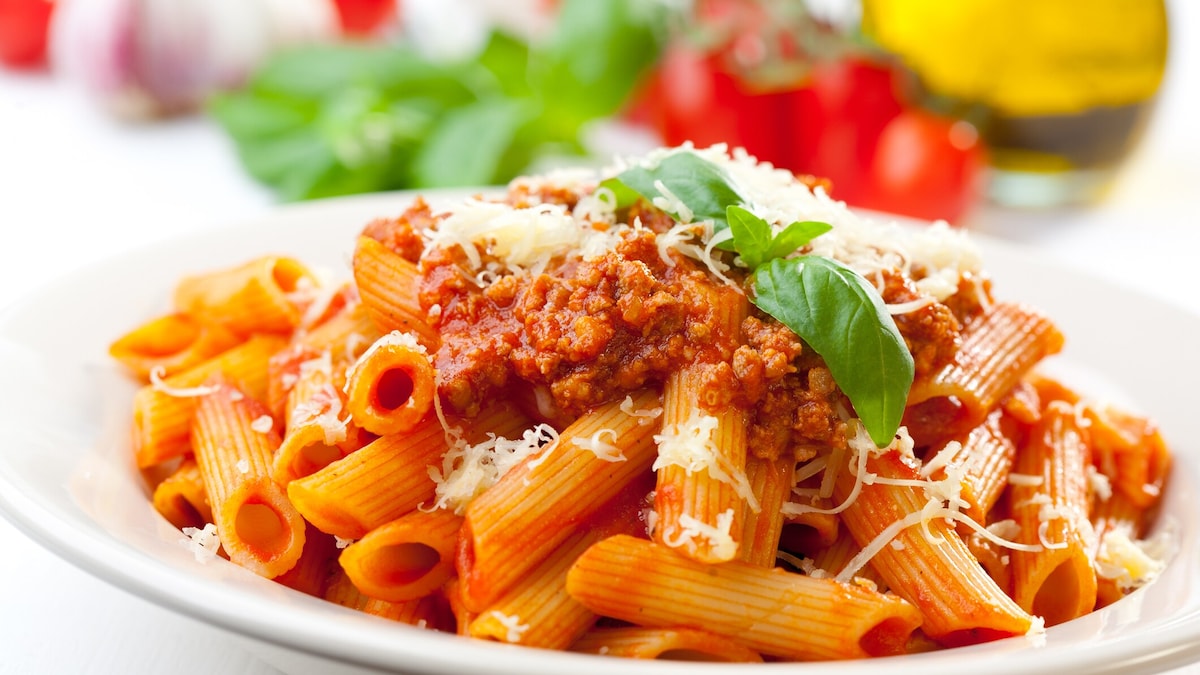
Eating Pasta Every Day: Health Benefits, Risks & How to Do It Right
Pasta is a global comfort food, with the average person in Germany consuming about 9.5 kilograms per year. Its convenience and versatility make it a dinner table staple. But is eating pasta every day a healthy habit or a dietary misstep? The answer, much like choosing between a comprehensive private health insurance plan and a more basic option, depends on the details—the type, portion, and what you pair it with. This guide explores the real impact of daily pasta consumption on your body, separating fact from fiction to help you enjoy this beloved carbohydrate as part of a balanced diet.
The Potential Benefits of Daily Pasta Consumption
When chosen wisely and consumed in moderation, pasta can contribute positively to your diet. Here are five reasons not to dismiss it:
- Sustained Energy Source: Pasta is a complex carbohydrate, providing a steady release of glucose into your bloodstream. This helps maintain consistent energy levels, preventing the crashes associated with simple sugars.
- Rich in Essential Nutrients: Especially whole-wheat or legume-based varieties, pasta can be a good source of B vitamins (like folate and thiamine), iron, and magnesium, which are crucial for metabolism and red blood cell formation.
- Dietary Fiber (Whole-Grain Pasta): Opting for whole-grain pasta significantly boosts your fiber intake, promoting digestive health, increasing satiety, and helping to manage cholesterol levels.
- Versatile Vehicle for Healthy Foods: Pasta serves as an excellent base for incorporating vegetables, lean proteins (like chicken, fish, or legumes), and healthy fats (like olive oil or avocado), making it easy to create a nutritious meal.
- Mental Satisfaction & Dietary Adherence: Enjoying satisfying foods you love can improve long-term adherence to a healthy eating pattern, reducing the likelihood of binge eating on less nutritious options.
The Risks and Downsides of Overconsumption
Eating pasta in excess, especially refined varieties, and neglecting dietary balance can lead to several health concerns. Consider this your checklist for mindful consumption.
| Potential Risk | How It Manifests | Underlying Cause |
|---|---|---|
| Nutrient Deficiencies | Fatigue, dull skin, thinning hair, headaches. | Displacing more nutrient-dense foods (vegetables, proteins, healthy fats) from your diet. |
| Blood Sugar Spikes | Energy crashes, increased hunger, long-term insulin resistance risk. | High glycemic load from large portions of refined white pasta. |
| Weight Gain | Increased body fat, especially around the abdomen. | Consuming more calories than expended, often from oversized portions and calorie-dense sauces. |
| Cardiovascular Strain | Elevated triglycerides, increased risk of heart disease over time. | Chronic overconsumption of refined carbs can negatively impact blood lipid profiles. |
How to Eat Pasta Healthily Every Day: An Action Plan
You can enjoy pasta regularly without the negatives by following these strategic guidelines. Think of it as customizing your health plan for optimal coverage.
| Strategy | Actionable Tip | Health Benefit |
|---|---|---|
| Choose the Right Type | Opt for whole-grain, legume-based (lentil, chickpea), or protein-enriched pasta over refined white pasta. | Higher fiber & protein content improves satiety, blood sugar control, and nutrient intake. |
| Master Portion Control | Stick to a single serving of cooked pasta (about 1/2 to 2/3 cup or the size of your fist). Use a measuring cup initially. | Manages calorie and carbohydrate intake, leaving room for other food groups. |
| Build a Balanced Plate | Use the "Plate Method": 1/4 plate pasta, 1/4 plate lean protein, 1/2 plate non-starchy vegetables. | Ensures a complete meal with fiber, vitamins, minerals, and protein. |
| Upgrade Your Sauce | Base sauces on tomatoes, vegetables, herbs, and a drizzle of olive oil. Avoid heavy cream or cheese-based sauces daily. | Reduces saturated fat and calories while adding antioxidants and healthy fats. |
| Listen to Your Body | Pay attention to energy levels and digestion. Rotate pasta with other whole grains like quinoa, brown rice, or farro. | Promotes dietary diversity and prevents food sensitivities or monotony. |
The Verdict: Can You Eat Pasta Daily?
Yes, you can eat pasta daily—if you do it smartly. The key is to treat it as one component of a diverse and nutrient-rich diet, not the main event. Prioritize whole-grain varieties, strictly control portions, and always pair it with plenty of vegetables and a source of lean protein. This approach allows you to reap the benefits of this convenient carbohydrate while mitigating the risks associated with overconsumption. For long-term health and wellness, balance and mindfulness are your most valuable tools, whether on your plate or in your lifestyle choices.