Soccer Injury Risks: Why Every Amateur Player Needs Proper Insurance
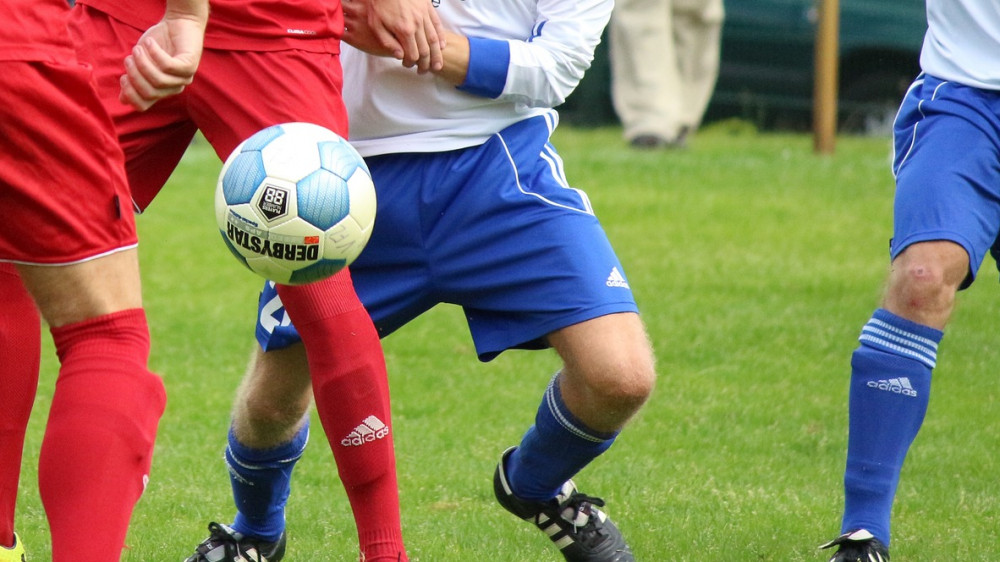
As Europe celebrates the beautiful game, it's a timely reminder that soccer is not just a source of passion but also a leading cause of sports injuries in Germany. With approximately 7.4 million active players, soccer dominates the grassroots sports scene. However, data from the German Insurance Association (GDV) reveals a sobering statistic: about one in three (33.5%) of all reported sports accidents occurs on the soccer field. This guide explains the common injuries, the critical gaps in standard coverage, and how to protect yourself financially, whether you play in a club or just for fun.
Soccer Injury Statistics: What Are the Most Common Injuries?
While soccer leads in the total number of accidents, understanding the specific injuries is key to assessing risk. According to GDV claims data, the most frequent soccer-related injuries requiring insurance payouts are:
- Ligament Tears & Joint Injuries (approx. 30%): Ankle sprains and knee ligament tears (like ACL injuries) are extremely common due to sudden stops, twists, and tackles.
- Fractures (approx. 20%): Broken bones in the legs, arms, and collarbones often result from falls or collisions.
- Muscle Injuries (approx. 15%): Strains and tears, particularly in the hamstrings and calves.
- Contusions & Bruises (approx. 15%): Impact injuries from contact with other players or the ball.
- Dislocations & Other Injuries (approx. 20%): Including shoulder dislocations and concussions.
These injuries can lead to significant medical bills, rehabilitation costs, and even lost income for working adults.
The Limits of Club Insurance (Vereinsversicherung): Don't Assume You're Fully Covered
If you play for an official club, you are automatically covered by a collective club insurance policy (Vereinsversicherung). This typically includes:
- Accident Insurance: Provides a lump-sum or pension in case of permanent disability resulting from a club-sanctioned activity.
- Liability Insurance: Covers you if you accidentally injure another player or damage property during official training or matches.
- Legal Protection Insurance: May assist with sports-related legal disputes.
However, this coverage has major limitations:
| Coverage Gap | Explanation | Risk |
|---|---|---|
| Geographic & Activity Restriction | Coverage is only valid during official club activities (matches, training). It does NOT cover you during casual games, vacation soccer, or other sports (e.g., jogging, cycling). | An injury during a friendly kickabout with friends leaves you completely unprotected by the club policy. |
| Limited Financial Scope | Club accident insurance payouts are often modest and may not cover long-term loss of earning capacity or high-cost rehabilitation. | Insufficient for a serious injury that affects your ability to work in your profession. |
| No Health Cost Coverage | Medical treatment costs are handled by your public or private health insurance, not the club policy. Health insurance does not cover loss of income. | You face potential income loss during recovery without a financial safety net. |
Why a Private Accident Insurance Policy is Non-Negotiable
To close these dangerous coverage gaps, a private accident insurance policy (Private Unfallversicherung) is essential for any active person. It provides comprehensive, 24/7 worldwide coverage, regardless of the activity.
Key benefits of a private accident insurance policy include:
- Global, 24/7 Coverage: Protects you during all sports, leisure activities, at home, and on vacation.
- Lump-Sum Payout for Permanent Disability: Provides a capital sum if an injury leads to a permanent disability, offering financial flexibility for adaptations, debt repayment, or income supplementation.
- Daily Hospital Indemnity & Recovery Benefits: Pays a daily allowance during hospitalization and can cover rehabilitation costs.
- Optional Death Benefit: Provides for your family in the worst-case scenario.
Soccer vs. Other High-Risk Sports: Understanding Relative Risk
While soccer causes the most accidents in absolute numbers due to its huge participant base, other sports carry a higher individual risk of severe injury. According to the same GDV data:
- Skiing/Snowboarding (20.1% of accidents): Injuries here are often more severe (e.g., complex fractures, spinal injuries, head trauma), leading to significantly higher average insurance payouts.
- Horseback Riding (6.2% of accidents): Carries a high risk of serious trauma from falls.
This highlights that your insurance needs should reflect both the likelihood and the potential severity of injury in your chosen activities.
Action Plan: How to Insure Yourself as an Amateur Athlete
- Review Your Club's Policy: Ask your club secretary for details on the Vereinsversicherung coverage limits and exclusions.
- Invest in Private Accident Insurance: This is the cornerstone of protection. Ensure the sum insured for permanent disability is high enough (a common recommendation is 3-5x your annual gross income).
- Consider Additional Disability Insurance (Berufsunfähigkeitsversicherung - BU): For working adults, a BU policy is even more crucial, as it pays a monthly pension if you cannot work in your profession due to illness or accident—a broader coverage than accident insurance alone.
- Check Your Health Insurance: Ensure you have adequate coverage for physiotherapy and rehabilitation, which are vital for sports injury recovery.
Playing soccer should bring joy and community, not financial hardship. By understanding the statistics and securing robust personal accident insurance, you can step onto the field with confidence, knowing you're protected against the unexpected.