The Sustainable Investing Paradox: Why Young Investors Prioritize Climate Protest Over Green Portfolios
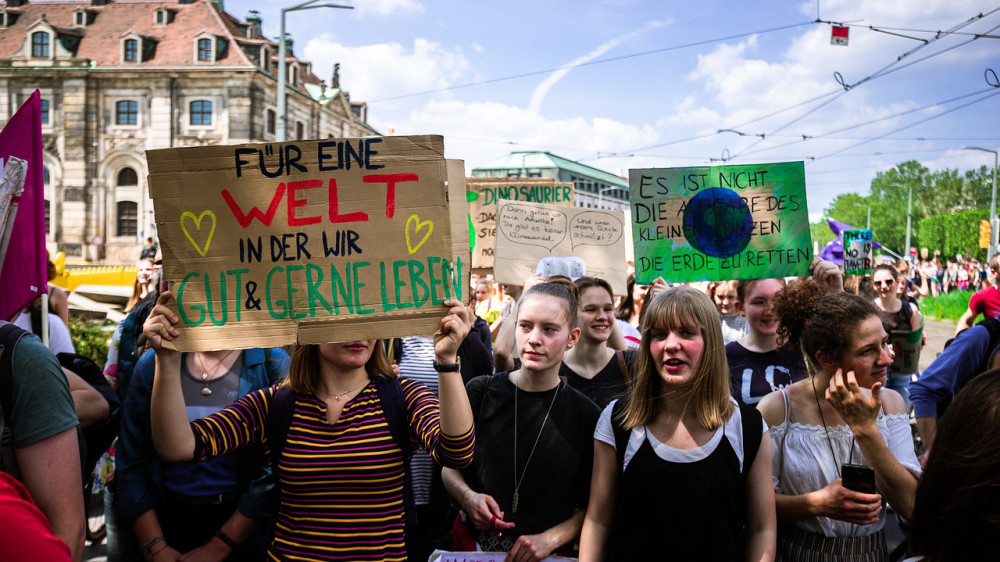
You see them leading climate marches and demanding systemic change—young activists are the face of the global environmental movement. Yet, a surprising paradox emerges when it comes to their personal finances. A representative forsa survey commissioned by energy giant Vattenfall reveals that only 29% of Germans aged 18-29 consider ecological, social, and ethical aspects when choosing financial products. This is starkly lower than the 39% cross-generational average and the 46% of those over 60 who prioritize such criteria. Why is there such a disconnect between street-level activism and portfolio-level action? Let's dive into this critical question for your financial planning and values-based investing strategy.
The Data: A Clear Generational Divide in Financial Behavior
The survey of 1,001 German citizens paints a counterintuitive picture. While narratives often pit conscientious youth against careless older generations, the data on investment behavior tells a different story:
- Ages 18-29: 29% consider sustainability in investments.
- All Adults (Average): 39% are influenced by green criteria.
- Ages 60+: 46% pay attention to such factors.
This gap challenges the assumption that climate concern automatically translates into sustainable investing. It suggests that converting passion into financial action involves unique barriers and perceptions.
Unpacking the Paradox: Why the Disconnect?
Several factors likely explain this surprising trend:
- Defining a "Conscious Lifestyle": For 78% of Germans, a conscious lifestyle means daily actions like saving energy and recycling. Only 12% see sustainable money management as a core component. Jens Osterloh of Vattenfall notes, "Investments in particular can make a measurable contribution to achieving sustainability goals." The link between portfolio choices and real-world impact isn't widely internalized.
- Financial Starting Point: Younger adults are often at the beginning of their wealth-building journey. Priorities may lean toward simply starting to invest, understanding markets, or saving for immediate goals like education or a first home, with sustainability seen as a secondary filter.
- The Greenwashing Dilemma: A lack of reliable, standardized criteria for what constitutes a "sustainable" investment creates skepticism. Reports, like one from NGO Urgewald finding $2.7 trillion still invested in coal by major financial firms including Allianz and BlackRock, fuel distrust. If even firms promoting ESG (Environmental, Social, Governance) funds are entangled in fossil fuels, young investors may question the integrity of the entire green finance sector.
- Access and Engagement: While young people are entering the stock market in record numbers (1.4 million Germans under 30 invested in stocks/funds in 2020, per the German Stock Institute), their primary focus may be on learning the basics of investing before layering on complex sustainability screens.
Bridging the Gap: How to Align Your Values with Your Investments
If you're passionate about climate issues but unsure how to reflect that in your portfolio, here are actionable steps:
- Educate Yourself on Impact: Understand that where you bank and invest can have a more significant systemic impact than many daily habits. Your capital allocation directly funds or divests from industries.
- Start with Screening: Use readily available tools to screen funds. Look for ETFs or mutual funds labeled as ESG (Environmental, Social, Governance), SRI (Socially Responsible Investing), or those following specific standards like the EU's Sustainable Finance Disclosure Regulation (SFDR).
- Look Beyond the Label - Do Your Homework: Scrutinize a fund's actual holdings. Does its top 10 include companies whose practices conflict with your values? Resources like fund sustainability ratings from MSCI or Sustainalytics can help.
- Consider Thematic Investing: Explore ETFs focused specifically on clean energy, water resources, circular economy, or green technology. This allows for direct, targeted investment in solutions.
- Integrate with Holistic Financial Health: Sustainable investing is one pillar of a responsible financial life. Equally important is protecting your future earning potential with appropriate insurance coverage, such as disability insurance (Berufsunfähigkeitsversicherung), ensuring a personal setback doesn't derail your long-term goals or ability to invest.
A Comparative View: Values-Based Financial Planning
| Financial Action | Common Perception | Actual Potential Impact | Integration Tip |
|---|---|---|---|
| Daily Conservation (Recycling, Energy Saving) | Primary expression of a conscious lifestyle (78% of Germans). | Direct but individual-scale environmental benefit. | Essential daily practice; combines well with systemic financial actions. |
| Sustainable/ESG Investing | Niche activity; only 12% see it as part of a conscious lifestyle. | High systemic impact by directing large capital flows toward sustainable companies. | Start by converting one core investment (e.g., a retirement account ETF) to an ESG option. |
| Choosing a Green Bank or Provider | Often overlooked. | Ensures your deposits and everyday banking don't fund fossil fuels or unethical industries. | Research banks with clear ethical lending policies and fossil fuel divestment. |
The Path Forward: From Conscious Consumer to Conscious Capitalist
The forsa survey reveals not a lack of concern among young people, but a gap in translating that concern into the financial realm. Closing this gap is crucial. By educating yourself, demanding transparency, and making intentional choices with your capital, you can ensure your money is working as hard for the planet as you are. This alignment of values and value is the next frontier in responsible personal finance and a powerful tool for driving the change you advocate for on the streets.
Keywords: sustainable investing, ESG, young investors, climate finance, values-based investing, forsa survey, greenwashing, financial planning, impact investing, responsible investment, portfolio alignment, Vattenfall study, generational wealth, ethical banking.