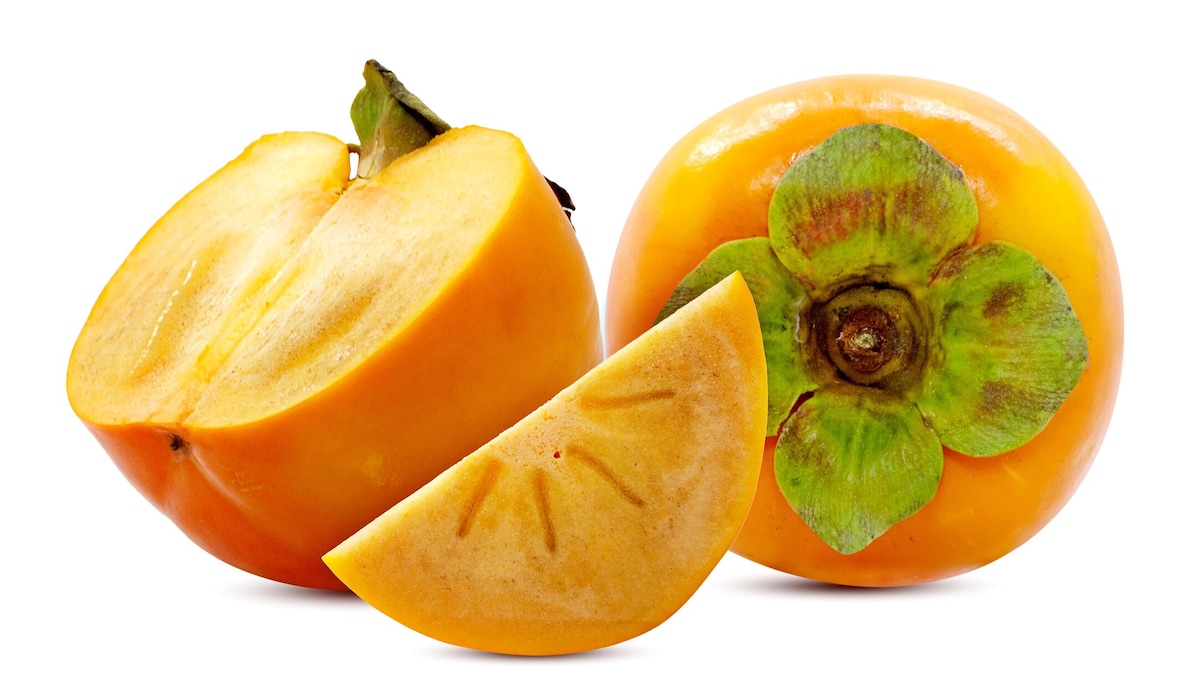
How to Cut & Eat a Persimmon: Get the Best from the 'Fruit of the Gods'
You see them glowing like little orange suns in the produce aisle: persimmons. This exotic fruit, often called the "Fruit of the Gods," promises a honey-sweet, juicy flavor. But if you've ever brought one home only to be met with a puzzling texture or unsure how to proceed, you're not alone. How do you know when it's ripe? Should you peel it? How do you cut it without making a mess? Just as you would carefully understand the details of your health insurance plan—be it German private insurance (PKV), public insurance (GKV), or in the US, navigating private medical insurance versus Medicare—knowing how to handle your food ensures you get the full benefit. Let's demystify the persimmon so you can confidently enjoy this delicious superfruit in salads, smoothies, or right out of your hand.
Step 1: Selecting the Perfectly Ripe Persimmon
The key to a great persimmon experience is perfect ripeness. An unripe persimmon can be unpleasantly astringent and chalky. Here’s how to choose or ripen one:
- Look: The skin should be deep orange and may look slightly translucent or "glassy." Avoid fruits with green patches.
- Feel: Gently press the fruit with your thumb. A ripe persimmon will yield slightly to pressure, feeling soft but not mushy.
- Ripening at Home: If you bought a firm persimmon, simply leave it at room temperature on your counter. It will ripen within a few days. To speed up the process, place it in a paper bag with a banana or apple.
- Storage: Once ripe, you can store it in the refrigerator for 1-2 days to pause further ripening.
Step 2: How to Wash and Prepare Your Persimmon
Always start by washing the fruit thoroughly under cool running water. Pat it dry with a clean towel. Now, you're ready to cut.
Step 3: The Best Way to Cut a Persimmon
Follow these simple steps for clean, easy cuts:
- Remove the Top: Place the persimmon on a cutting board. Using a sharp knife, slice off the leafy calyx (the green leaf-like top) and a tiny bit of the fruit beneath it.
- Halve the Fruit: Cut the persimmon in half vertically, from stem end to bottom.
- Optional: Remove Core/Seeds: Some persimmon varieties (like the Fuyu) may have no seeds, while others (like Hachiya) might have a few. If present, you can scoop out any small seed pockets or tough core material with the tip of your knife or a spoon.
- Slice or Dice: Place each half cut-side down on the board. Now, you can slice it into wedges, cut it into cubes for a fruit salad, or slice it into rounds (if using a Fuyu-type, which is firm even when ripe).
For Very Soft, Ripe Persimmons (like Hachiya): The flesh will be jelly-like. Simply cut it in half and eat the custardy interior with a spoon, avoiding the skin if it's tough.
Step 4: To Peel or Not to Peel?
The skin of a fully ripe persimmon is thin, edible, and packed with nutrients and fiber. However, on less ripe fruit or if you simply prefer it, the skin can be tough and slightly bitter. You can easily peel it with a vegetable peeler or paring knife after washing. For a super-soft ripe persimmon, the skin often peels away effortlessly.
Creative Ways to Enjoy Persimmons
Now that you've mastered cutting, here’s how to enjoy this nutrient-rich fruit:
- Fresh & Simple: Eat sliced persimmon as a snack or add it to a cheese board.
- In Salads: Its sweetness pairs beautifully with bitter greens (like arugula), goat cheese, nuts, and a balsamic vinaigrette.
- In Smoothies: Blend ripe persimmon with banana, yogurt, and a dash of cinnamon for a creamy, vitamin-packed drink.
- In Baking: Use persimmon pulp (from very ripe fruit) as a natural sweetener in muffins, breads, or puddings.
The Persimmon & Health Insurance Analogy: Maximizing Your Benefits
Getting the most from a persimmon is like optimizing your health insurance benefits. Selecting the right, ripe fruit is like choosing a plan that fits your life stage (PKV for customizable care, GKV/Medicare for broad coverage). Properly cutting and preparing it is like understanding your policy's details—co-pays, networks, covered services—so you can use it effectively without waste or surprise. Eating the nutrient-rich skin is akin to utilizing all preventative care benefits (annual check-ups, screenings) that keep you healthier long-term. By taking the time to learn, you ensure no value is lost.
| Step | Action with Persimmon | Health Insurance Parallel | Outcome |
|---|---|---|---|
| 1. Selection | Choose a ripe, deep orange fruit that yields to gentle pressure. | Select a plan (PKV/GKV/Private/Medicare) that matches your current health needs and budget. | You start with the right foundation for a positive experience. |
| 2. Preparation | Wash, remove the inedible top, and cut correctly. | Understand your policy's basics: deductible, coverage limits, how to file a claim. | You handle the asset properly to access its full value. |
| 3. Consumption | Eat the edible skin for extra fiber/nutrients or peel if preferred. | Use all available benefits: preventative care, wellness programs, network discounts. | You maximize the health and financial benefits available to you. |
| 4. Enjoyment | Incorporate into diverse, delicious meals. | Integrate your coverage into a holistic lifestyle for long-term wellness. | You achieve sustained satisfaction and well-being. |
Enjoy Your Persimmon with Confidence
No more hesitation at the fruit counter. With this guide, you can select, ripen, cut, and enjoy persimmons like a pro. This sweet, versatile fruit is a wonderful addition to your healthy diet, offering vitamins A and C, fiber, and antioxidants. By taking a little time to learn its secrets, you unlock a world of flavor and nutrition—a simple but rewarding investment in your health and wellness, much like the peace of mind that comes from having the right health insurance coverage.