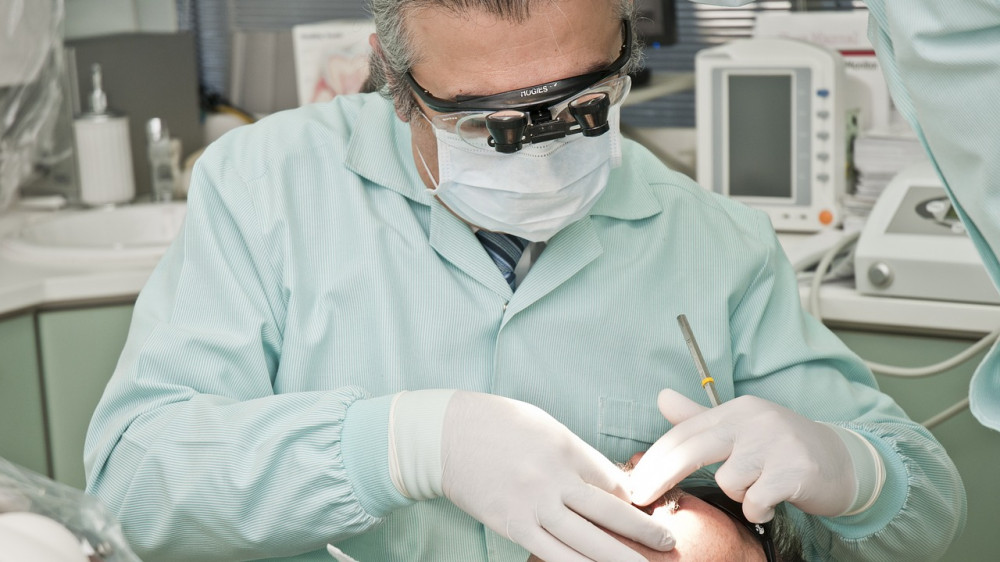
Public Health Insurance Under Pressure: The Debate Over Cutting Dental and Homeopathic Coverage
Faced with soaring costs, a radical proposal is shaking up Germany's healthcare debate. Ralf Hermes, head of the IKK-Innovationskasse, a major public health insurance (GKV) fund, has declared that benefit cuts are "inevitable." His primary targets? Dental treatments, dentures (Zahnersatz), and homeopathic remedies. This suggestion highlights the severe financial strain on the GKV system and forces a critical question for you as a patient: what core health services should public insurance cover, and where should personal or private responsibility begin?
The Proposal: A Drastic Shift in Public Coverage
Hermes argues that the GKV system is at its breaking point. To ensure its sustainability, he proposes removing entire categories of care from the standard benefits catalog (Leistungskatalog):
- Complete Dental Care: This includes routine check-ups, treatments, and preventive care. The GKV spent nearly €13 billion on dental treatments alone in 2022.
- Denture Subsidies: Public contributions for dentures, which amounted to about €4 billion in 2022, would be eliminated.
- Homeopathic Treatments: Hermes finds it "incomprehensible" that the GKV still covers these non-conventional remedies, which cost a lower, single-digit million euro amount.
His stance is that for dental health, prevention (like proper brushing) should be paramount, and for major expenses like dentures, individuals should seek private insurance. Exceptions might only be made for accident victims or those with severe illnesses.
The Financial Context: Why Such Cuts Are Being Considered
The GKV is projected to run a deficit of at least €17 billion this year. With an aging population and rising treatment costs, fund managers and politicians are searching for ways to balance the books. This proposal represents one extreme of the spectrum: reducing the scope of public coverage rather than solely raising contributions or taxes. For American readers, this is akin to debates over what services should be included in essential Medicare or Medicaid benefits, or whether certain treatments should be excluded from standard employer-sponsored health plans.
Potential Impact on Patients and the Insurance Market
If such cuts were implemented, the consequences would be significant:
| Proposed Cut | Potential Impact on You | Likely Market Response |
|---|---|---|
| Dental Treatments & Dentures | Out-of-pocket costs for routine care, fillings, and especially major procedures like crowns, bridges, or implants would skyrocket. This could lead to neglected oral health. | Massive growth in demand for private dental insurance (Zahnzusatzversicherung). These supplemental plans would become essential, not optional. |
| Homeopathic Remedies | Patients who prefer these treatments would have to pay fully out-of-pocket, potentially limiting access. | Minimal impact on the broader insurance market, but a clear signal on evidence-based medicine. |
The Bigger Picture: Public vs. Private Responsibility in Healthcare
This proposal forces a fundamental discussion about the role of public insurance. Is it a comprehensive safety net, or should it focus only on "essential" or "catastrophic" care, leaving other needs to the private market?
- The Pro-Cut Argument (Efficiency & Sustainability): Proponents argue it makes the public system more financially sustainable and focuses resources on core, evidence-based medical care. It encourages personal responsibility for preventive health (like dental hygiene) and shifts predictable, planned expenses (like dentures) to the private sector.
- The Anti-Cut Argument (Solidarity & Access): Opponents warn it would create a two-tier system where only the wealthy can afford good dental health. It undermines the principle of solidarity by making basic care a luxury. Poor oral health is linked to systemic diseases (e.g., heart disease), potentially increasing long-term costs elsewhere in the healthcare system.
What This Means for Your Insurance Planning
Regardless of whether this specific proposal becomes law, the debate signals a trend:
- The GKV's Core Benefits May Shrink: Pressure to control costs may lead to more services being scrutinized or downgraded.
- Supplemental Insurance is Increasingly Vital: A robust private supplemental insurance (private Zusatzversicherung) portfolio—covering dental, vision, and private hospital rooms—is becoming a critical component of financial security in Germany, much like Medigap policies are for those on U.S. Medicare.
- Stay Informed and Proactive: Follow healthcare policy debates and regularly review your insurance coverage. Consult with an independent advisor to ensure your health insurance portfolio protects you against both current and potential future gaps in public coverage.
The call to cut dental coverage is a stark reminder that the social contract in healthcare is not static. Protecting your health requires understanding these shifts and planning accordingly.