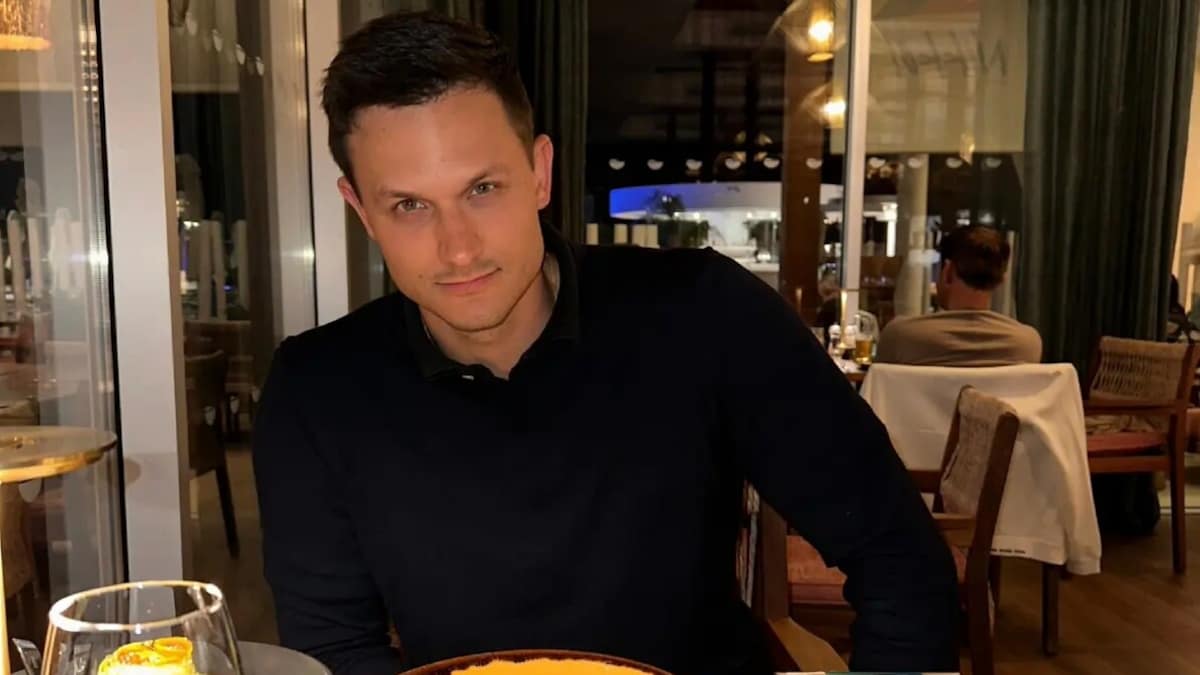
From Fast Food to Fit: How a YouTube Entrepreneur Transformed His Health with Tupperware
You know the struggle: a demanding 80-hour workweek, constant travel between cities like New York and Bali, and the inevitable reliance on fast food, pastries, and quick snacks. The scale keeps creeping up, and your energy plummets. This was the reality for Kevin Worner, a 32-year-old international YouTube entrepreneur and consultant. But he turned it around, losing significant weight and reclaiming his health with one simple question from his girlfriend and a stack of Tupperware containers. His journey offers a masterclass in practical nutrition for high achievers, proving that a healthy lifestyle is possible no matter how packed your schedule—much like finding a flexible, comprehensive health insurance plan that works whether you're at home or abroad, be it a German private plan (PKV) with international coverage or a U.S. PPO with a broad network.
The Breaking Point: "Have You Gained Weight?"
Kevin's lifestyle as a young consultant was a recipe for weight gain. Long hours in Parisian offices, late-night finishes, and communal lunches that always seemed to end at the Italian restaurant with spaghetti carbonara. "You just go with the flow," he admits. The result? An eight-kilogram (roughly 17.6-pound) weight gain in just six months. While he wasn't "overweight," the trajectory was clear. The pivotal moment came with a simple, observant question from his girlfriend: "Have you gained weight?" This prompted him to look not just at the present, but at the future. Where would he be in three or five years if he continued this path?
The Core Strategy: Mindset First, Tupperware Second
Kevin knew the theory: fewer empty carbs and fats, more protein, fruits, and vegetables. The monumental challenge was execution while living out of a suitcase. His solution was brilliantly simple yet daunting: meal prepping and carrying his food in Tupperware.
The biggest barrier wasn't logistics—it was psychology. "I was afraid my colleagues would think I was crazy, that they'd laugh at me," Kevin recalls. To overcome this, he tapped into a powerful mindset shift he had developed as a teenager, moving from being the class clown to a top student: "I don't care what others think of me." This same attitude became the foundation for his health transformation. Armed with this resolve, he packed his first containers and never looked back.
Kevin's Travel-Friendly Health Transformation Blueprint
| Challenge | Old Habit | New Strategy | Key Mindset / Tool |
|---|---|---|---|
| Unhealthy Office Lunches | Daily pasta, pizza, baguettes with colleagues. | Bringing prepped meals (brown rice, turkey, veggies) in Tupperware. Influenced group to choose salad bars. | "I don't care what they think." Tupperware. |
| Hotel Living & No Kitchen | Relying on room service or restaurant food. | Storing meals in hotel mini-bars. Utilizing breakfast buffets for eggs, salmon, oatmeal. | Advanced planning during hotel booking. Focus on simple, universal foods. |
| 80-Hour Workweek & Fatigue | Skipping the gym, making poor food choices when tired. | Scheduling workouts 5x/week. Eating prepped meal BEFORE the gym for energy. | Non-negotiable appointment with self. Prioritizing fitness room access. |
| Constant Global Travel | Difficulty finding healthy options in new countries. | Sticking to simple staples: chicken, rice, steak, sweet potato. Leveraging global healthy snack trend. | Embrace simplicity. Rely on worldwide availability of protein drinks, nuts, supplements. |
Practical Systems for the Road Warrior
Kevin's methods evolved but stayed grounded in practicality:
- The Tupperware Phase: Weekly meal prep during weekends. Staples like brown rice, turkey, and steamed vegetables traveled with him in cool bags and were stored in hotel mini-fridges. He ate these for late dinners after work and as pre-workout fuel.
- The Order-In Phase (China): While based full-time in China, he shifted to ordering simple, clean dishes like boiled chicken and plain rice, maintaining control over ingredients.
- The Modern, Global Phase: Now, with longer stays (2 months per city), he combines cooking simple favorites like steak and sweet potatoes with leveraging the booming global market for healthy snacks, plant-based milks, and supplements. "I'm no longer an exotic for eating this way," he notes.
The Non-Negotiables: Mindset, Movement, and Moderation
Kevin's success hinges on three pillars that anyone can adopt:
- The "No-Judgment" Mindset: Your health goals are personal. External opinions are irrelevant. This mental freedom is the first and most crucial step.
- Exercise as a Fixed Appointment: He ensures his accommodations have a gym and treats his workouts with the same importance as a business meeting.
- The 80/20 Rule and Strategic Indulgence: He doesn't live in deprivation. A dessert at Christmas or an occasional chocolate bar is part of the plan. By eating clean 80% of the time, these moments become enjoyable treats, not guilt-ridden binges.
Your Takeaway: Building Your Personal Health "Insurance Plan"
Just as you would carefully select a health insurance plan—opting for a flexible private plan (PKV/U.S. Private) for extensive access or relying on the solid baseline of a public system (GKV/Medicare)—building your health requires a tailored strategy. Kevin's story shows it's not about perfection; it's about creating a simple, sustainable system that survives your craziest schedule.
Start with one container. Embrace one simple meal. Adopt the mindset that your well-being is the most important project you'll ever manage. The journey to a slimmer, healthier, and more energetic life—no matter how many miles you log—begins with a single decision, not a drastic overhaul.