Prior Damage Disclosure: Your Legal Duty in Car Accident Claims and Auto Insurance
Navigating a car accident claim can be complex, especially when dealing with auto insurance companies and expert appraisals. A fundamental principle in many jurisdictions, akin to Germany's Kfz-Haftpflichtversicherung (third-party liability insurance), is the "workshop risk" rule: the at-fault driver's insurer is generally liable for repair and appraisal costs, even if they seem high, provided the claimant couldn't reasonably have known better. But what happens if you, as the claimant, withhold key information? A recent ruling from the Higher Regional Court of Saarbrücken (OLG Saarbrücken, Case No.: 3 U 13/23) delivers a crucial warning: failing to disclose prior vehicle damage can make you personally responsible for the expert appraisal fee, turning a standard claim into a significant financial setback.
The Case: A Seemingly Simple Crash Leads to a Costly Legal Battle
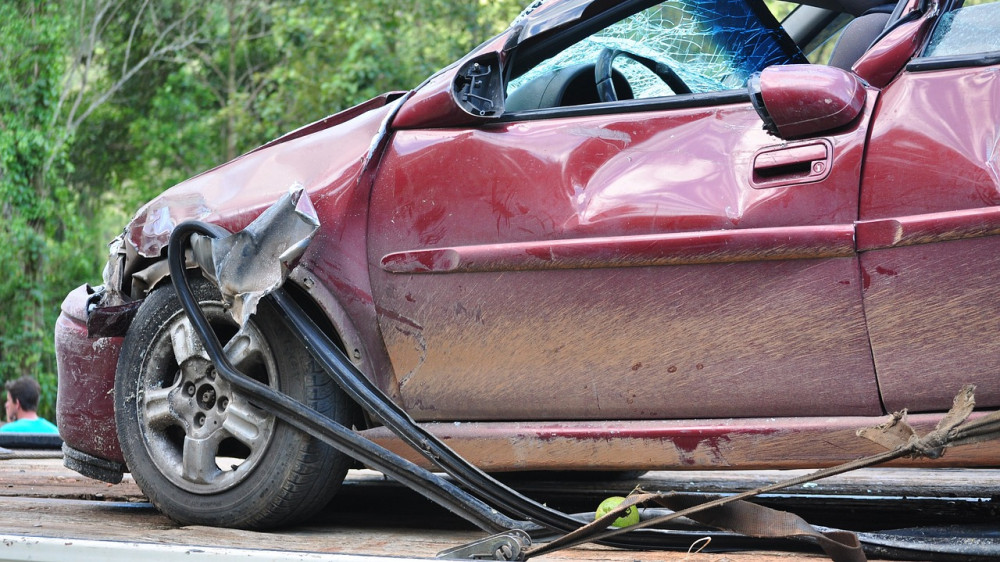
In June 2021, a vehicle reversing from a driveway collided with the rear of the claimant's car. The at-fault driver's liability insurance accepted responsibility. However, the claimant's vehicle had sustained rear-end damage in a prior April 2019 accident, which he stated was properly repaired. For the new incident, the claimant commissioned an expert appraisal, costing €1,043.71. The critical error? This new report did not account for the prior damage.
The insurer grew suspicious because the claimed damage to the rear bumper cover seemed excessive for the minor collision. They ordered their own appraisal, which uncovered the unrepaired prior damage. The insurer then refused full compensation, arguing the claimant had negligently concealed the pre-existing damage, rendering his appraisal useless.
The Court's Decision: Shifting Liability for Appraisal Costs
The claimant sued for €7,048.98, covering estimated repair costs, diminished value, and the expert fees. The initial court dismissed the claim, citing the failure to inform the expert. On appeal, the Higher Regional Court provided a nuanced ruling on May 3, 2024:
- The court awarded only the proven accident-related repair costs (€2,022.93) plus a small fee, totaling €2,047.93.
- The expert appraisal cost of €1,043.71 was denied.
- The claimant was ordered to bear 71% of the court costs, while the insurer paid 29%.
The core legal finding was clear: "Expert appraisal costs cannot be claimed if the claimant is responsible for the report's uselessness." The court placed a duty of disclosure squarely on the claimant. You must proactively inform the appraiser of any relevant prior damage to ensure a valid report. Simply hiring an expert is not enough.
Key Responsibilities in a Vehicle Damage Claim: A Checklist
| Responsibility | Claimant's Duty | Potential Consequence of Neglect |
|---|---|---|
| Full Disclosure | Must inform the appraiser/insurer of ALL prior damage to the vehicle. | Denial of appraisal fees; reduced or rejected claim. |
| Review of Appraisal | Must review the final expert report for accuracy, even if the same expert did prior work. | Liability for costs if errors from non-disclosure are not caught and corrected. |
| Cooperation with Insurer | Must provide complete information and documentation promptly. | Delays, suspicion, and potential lowball settlement offers. |
| Mitigation of Loss | Must take reasonable steps to prevent further damage and obtain necessary repairs. | Insurer may refuse to pay for additional, preventable damage. |
Practical Guide: Protecting Your Auto Insurance Claim
To avoid the pitfalls highlighted in this German ruling—which reflect universal principles of good faith in insurance claims—follow these steps after an accident:
- Document Everything Immediately: Take photos of all damage, the accident scene, and the other vehicle. Note the date and details of any prior repairs.
- Disclose Proactively: When filing your car insurance claim or speaking with an appraiser, immediately and formally disclose any history of damage to the affected area. Provide repair invoices if available.
- Choose Appraisers Carefully: If you have the right to choose an appraiser (as in some first-party collision coverage claims in the US), select a reputable professional. Provide them with your full vehicle history.
- Scrutinize the Report: When you receive the appraisal, review it meticulously. Ensure it correctly distinguishes between new accident damage and old, pre-existing conditions. Question any omissions or inaccuracies.
- Understand Your Coverage: Know the specifics of your auto insurance policy. In the US, this is typically collision coverage (for your own vehicle) or you pursue the at-fault driver's property damage liability insurance. The duty of good faith and fair dealing applies to all parties.
Broader Implications for Insurance and Financial Protection
This case transcends auto claims; it's about risk management and financial responsibility. Just as failing to disclose information can void parts of an insurance claim, gaps in your personal coverage can leave you vulnerable. The Financial Freedom Report 2025 highlights disability as a top risk to financial independence. Similarly, being underinsured after an accident can cause significant out-of-pocket loss.
Ensure you have robust auto insurance coverage with appropriate limits. Consider gap insurance if you have a loan or lease. More broadly, protect your income with disability insurance and build an emergency fund. A comprehensive approach to financial planning and insurance protection is your best defense against unforeseen events, whether a disputed car repair or a loss of income.
Conclusion: Transparency is Your Greatest Asset
The Saarbrücken court ruling is a powerful reminder: in insurance claims, honesty and proactive disclosure are not just ethical—they are financially imperative. The "workshop risk" principle protects claimants, but it is not a shield for omitting material facts. By being transparent about prior vehicle damage, carefully reviewing expert reports, and understanding your policy, you safeguard your right to full and fair compensation. Always approach an insurance claim with thorough documentation, clear communication, and a commitment to good faith—it’s the surest way to a successful resolution.
Source: Oberlandesgericht Saarbrücken, Urteil vom 03.05.2024 - 3 U 13/23. Principles discussed are illustrative of common insurance law concepts; always consult with a legal or insurance professional for advice on your specific situation.