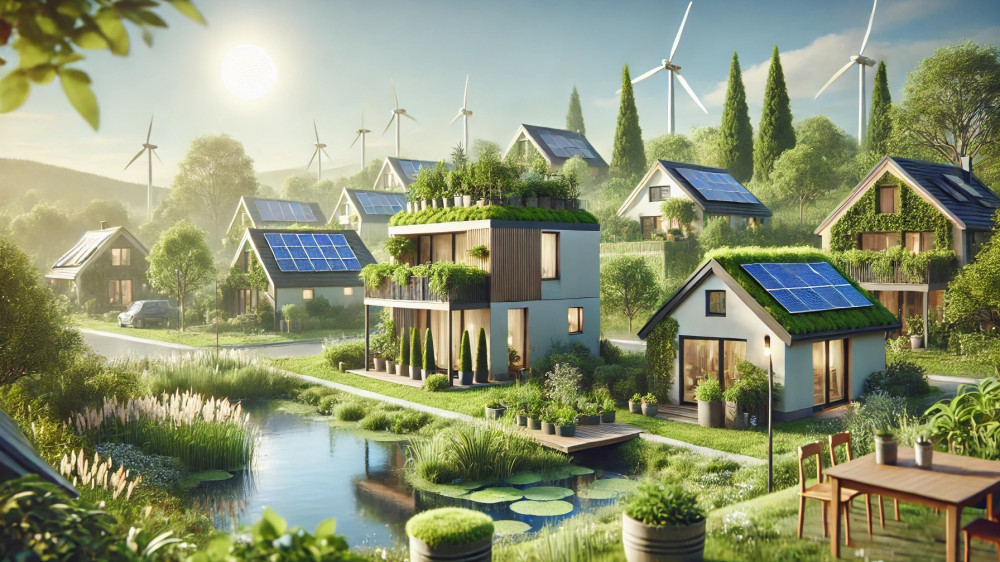
Climate Protection & Sustainability: The New Core of Profitable Real Estate Investment
You are witnessing a profound transformation in the global real estate sector, driven by climate protection goals and a rising awareness of sustainability. For you as a real estate investor, these developments are not merely about environmental or social responsibility; they have a direct and powerful impact on the profitability and risk profile of your investments. Focusing on sustainability can unlock access to growing demand for energy-efficient, resource-conserving, and climate-friendly buildings. Conversely, ignoring these trends poses substantial financial risks that can erode the long-term value of your real estate portfolio.
Dieter Eimermacher, Managing Director of Eimermacher Immobilienbewertungen GmbH in Frankfurt, specializes in professional, sustainability-oriented property valuations for banks, insurers, foundations, institutional investors, and private clients. His insights clarify why ESG (Environmental, Social, and Governance) criteria are now inseparable from sound real estate investment and asset management.
The Financials Speak: Green vs. Conventional Real Estate
Let's compare the key performance indicators. The numbers reveal a compelling story for sustainable investing.
| Metric | Climate-Friendly / Green Buildings | Conventional Buildings |
|---|---|---|
| Net Initial Yield | 3.5% to 4.5% | 2.5% to 3.5% |
| Primary Drivers | Lower operating costs, higher achievable rents, government incentives. | Burdened by higher energy costs, potential value depreciation due to regulations. |
| Demand & Vacancy Risk | Higher demand, longer lease terms, lower vacancy risk. | Falling demand, higher vacancy rates, longer void periods. |
| Maintenance Costs | Often lower due to modern, durable materials. | Risk of unforeseen costs for mandatory energy retrofits. |
| Long-Term Risk Profile | Lower. Aligned with regulatory and market trends. | Higher. Exposed to regulatory shocks and value obsolescence. |
Market Demand is Shifting Towards Sustainability
Your future tenants and buyers are already making different choices. Institutional actors and corporations with their own sustainability goals actively seek office and commercial spaces that minimize their ecological footprint. Similarly, private renters and buyers, motivated by rising energy costs and environmental awareness, increasingly prefer climate-friendly residential properties.
Properties that fail to meet modern energy efficiency standards face a tangible consequence: diminished demand. This translates directly into longer vacancy periods and reduced rental income, severely limiting their long-term income potential.
The Dual Threat: Soaring Energy Costs & Regulatory Pressure
Two powerful forces are accelerating this shift:
- Energy Cost Volatility: In an era of unpredictable and often rising energy prices, efficient buildings offer a crucial hedge. Properties with poor energy performance burden tenants with higher ancillary costs, making them less competitive and attractive.
- Regulatory Risks: Governments worldwide are enacting stricter building codes and energy efficiency standards (like the EU's Energy Performance of Buildings Directive). Non-compliant properties risk facing heavy fines, usage restrictions, and compulsory, costly retrofits. This regulatory pressure is a material financial risk that must be factored into your investment due diligence.
The Strategic Opportunity for Forward-Thinking Investors
For you, the proactive investor, this landscape is filled with opportunity. Integrating climate protection into your strategy isn't just about risk mitigation—it's a path to enhanced returns.
- Access to Incentives: Governments often support green construction and retrofits with grants, tax relief, and favorable financing, improving project economics.
- Improved Financing Terms: Banks increasingly view sustainable projects as lower risk, which can lead to better loan conditions and higher loan-to-value ratios.
- Future-Proofing Assets: Sustainable properties are likely to experience more robust long-term value appreciation and lower obsolescence risk, protecting your wealth management goals.
Conclusion: Sustainability as a Core Investment Criterion
In summary, climate protection and sustainability have moved from the periphery to the core of successful real estate investment. The combination of regulatory tailwinds, shifting market preferences, and clear financial advantages makes integrating these factors into your strategy essential. Ignoring them risks financial underperformance and long-term asset depreciation. Conversely, placing sustainability at the heart of your decisions can lead to more stable income, stronger demand, and superior value development. In today's market, green isn't just a color—it's the color of resilience and return.
Insurers and brokers struggle in claims management with high backlogs, increasing claim frequencies, a shortage of skilled workers, and growing customer expectations. Manual processes are expensive and slow.