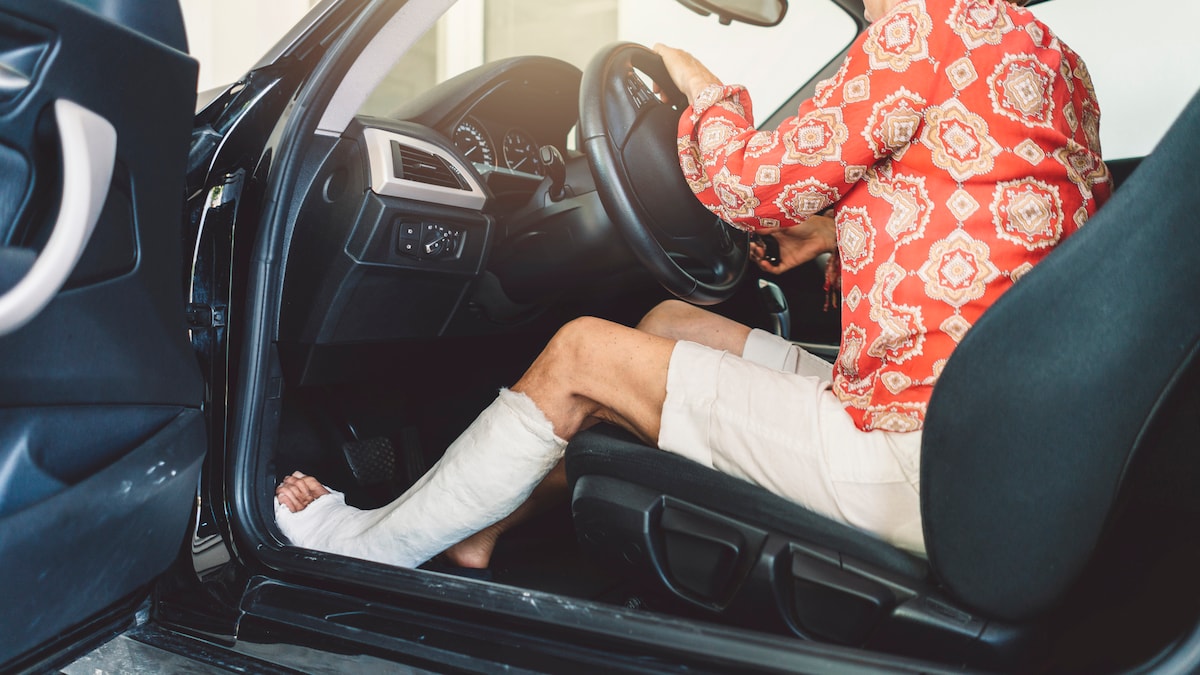
Driving with a Cast: A Guide to Legal Liability and Insurance Risks After an Injury
You've broken your arm or leg. Life goes on, and you still need to drive to work, run errands, or take the kids to school. But is getting behind the wheel with a cast or splint a smart—or even legal—decision? While there may not be a specific law stating "no driving with a cast," the risks you assume are substantial. This guide explains the critical legal, safety, and auto insurance implications of driving while injured. Understanding these rules can protect you from severe financial penalties, denied insurance claims, and even criminal charges, ensuring you make a safe and informed choice for yourself and others on the road.
The Core Legal Principle: Your Duty to Drive Safely
In the United States, traffic laws are primarily state-governed, but a universal principle applies everywhere: as a licensed driver, you have a legal duty to operate your vehicle in a safe and controlled manner. If an injury impairs your ability to drive safely, you can be held liable. Key legal concepts that come into play include:
- Negligence: If you cause an accident because your cast limited your steering or braking control, you could be found negligent.
- Reckless Driving: Knowingly driving with a serious physical impairment could be elevated to reckless driving, a more serious offense.
- Violation of Implied Consent Laws: Your driver's license implies you are always fit to drive. Driving while impaired—whether by alcohol, drugs, or a physical disability—breaches this agreement.
An at-fault accident could lead to tickets, points on your license, lawsuits, and in severe cases involving injury to others, criminal charges like vehicular assault.
How Your Auto Insurance Company Views Driving with an Injury
This is where the financial risk becomes very real. Your auto insurance policy is a contract based on you operating the vehicle safely and legally.
| Insurance Scenario | Potential Consequence | Why It Happens |
|---|---|---|
| You Cause an Accident | Claim Denial or Reduction | The insurer may investigate and argue you were driving while impaired, constituting "gross negligence" or a violation of your policy terms. They could deny the claim for your vehicle (under collision) and even refuse to fully cover the other driver's damages (under liability), leaving you personally responsible. |
| You are in a No-Fault or Not-At-Fault Accident | Shared Fault / Comparative Negligence | Even if the other driver is mostly at fault, their insurance company could argue your impairment contributed to the accident (e.g., you couldn't swerve or brake effectively). This could reduce your settlement. |
| General Policy Review | Non-Renewal or Premium Increase | A serious at-fault accident under these circumstances marks you as a high-risk driver, leading to skyrocketing premiums or policy cancellation. |
Key Takeaway: Most auto insurance policies (liability, collision, comprehensive) have clauses requiring the driver to be "legally entitled to drive" and to exercise "reasonable care." Driving with a known physical impairment can be seen as a breach of this duty.
When is it Safe to Drive Again? Injury-Specific Guidance
Healing times vary, but you must be honest about your capabilities. Consult your doctor before driving. Here’s a general guide based on common injuries:
| Injury & Location | Primary Driving Risk | Recommended Minimum Wait & Precautions|
|---|---|---|
| Right Arm/Hand Fracture (Cast) | Inability to grip steering wheel firmly, operate turn signal, or use gear shift (manual). | Avoid driving until cast is removed. The right hand is critical for vehicle control. Automatic transmission is slightly less risky but still dangerous. |
| Left Arm/Hand Fracture (Cast) | Difficulty with sustained steering control, especially in emergencies requiring two hands. | Discuss with doctor. May be possible for short, necessary trips with automatic transmission after initial acute pain subsides (often 2+ weeks). Extreme caution required. |
| Right Leg/Ankle/Foot Fracture | Inability to smoothly operate gas and brake pedals. Delayed reaction time. | DO NOT DRIVE if in a cast or boot. Even after removal, ensure you have full strength and mobility to perform an emergency stop. |
| Left Leg/Ankle/Foot Fracture | Difficulty operating clutch (manual) or finding a comfortable position. Can distract from driving. | Manual transmission: Do not drive. Automatic: May be possible if you can safely brace your leg and are not in pain. Doctor clearance is mandatory. |
| Rib or Torso Fractures | Severe pain with movement, coughing, or deep breathing can cause sudden loss of control. | Wait until pain is minimal and does not inhibit movement or focus. This can take 3-6 weeks. |
Your Action Plan: Steps to Take After an Injury
- Get Official Medical Clearance: Ask your doctor, "Am I medically cleared to drive?" Get their advice in writing if possible.
- Conduct a Safe Parking Lot Test: Before hitting public roads, practice in an empty lot. Test turning, braking, and looking over your shoulder. Be brutally honest with yourself.
- Explore Alternatives: Use ride-sharing (Uber, Lyft), public transit, or ask for help. The short-term cost and inconvenience are far less than the consequences of an accident.
- Contact Your DMV (if required): Some states require reporting certain medical conditions that could affect driving. While a temporary cast may not require it, serious or long-term impairments might. Check your state's DMV website.
- Consider Vehicle Modifications: For longer-term injuries, temporary hand controls or pedal extensions can be installed. A certified driver rehabilitation specialist can provide an assessment.
The Bottom Line: Safety First, Legality Second
While you might technically be able to start your car with a cast on, the legal and financial ramifications of doing so are severe. Your auto insurance is unlikely to be your safety net if an accident occurs. The safest, most legally prudent course is to wait until you have full medical clearance and confidence in your physical ability to control the vehicle. Protect your health, your finances, and the safety of everyone on the road by parking the keys until you've fully recovered.