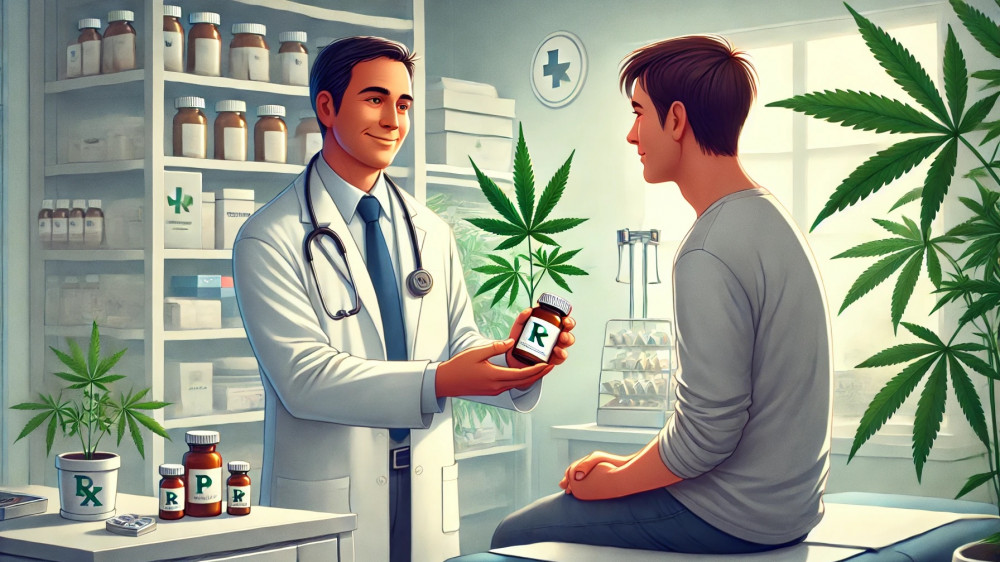
CBD Insurance Coverage: What You Need to Know About Reimbursement
If you're considering Cannabidiol (CBD) for medical use, one of your first questions is likely about cost. Will your health insurance plan cover it? The landscape of CBD reimbursement is evolving but remains complex and inconsistent, both in Germany and the United States. Understanding the rules can help you navigate the process and potentially secure coverage for your treatment.
What is CBD and Its Medical Potential?
CBD is a non-psychoactive compound derived from the hemp plant. Unlike THC, it does not produce a "high" and is legal in many countries. A growing body of research and patient reports suggests CBD may help manage symptoms for various conditions, including:
- Chronic pain and inflammation
- Anxiety and sleep disorders
- Certain forms of epilepsy
- Multiple sclerosis-related spasticity
- Nausea associated with chemotherapy
The medical use of CBD is not limited to these areas, and research continues to uncover its broad therapeutic potential. However, the path to recognition as a standard medication is often long, marked by legal and regulatory hurdles.
CBD as a Supplement vs. a Prescription Drug
A crucial distinction exists between over-the-counter CBD products and prescription medications. Over-the-counter CBD, often sold as oils or capsules, is typically classified as a dietary supplement. In contrast, prescription CBD medications like Epidyolex (approved for severe epilepsy) are regulated pharmaceuticals that undergo rigorous clinical trials to prove safety and efficacy. This distinction is fundamental for insurance reimbursement.
Insurance Coverage in Germany: GKV vs. PKV
In Germany, reimbursement depends heavily on whether you have public health insurance (Gesetzliche Krankenversicherung or GKV) or private health insurance (Private Krankenversicherung or PKV).
| Insurance Type | Typical CBD Coverage Stance | Key Requirements for Reimbursement |
|---|---|---|
| German Public Health Insurance (GKV) | Very restrictive, case-by-case basis. | 1. Formal prescription for an approved CBD medication (e.g., Epidyolex). 2. Proof of severe illness where standard therapies have failed. 3. Prior authorization request from your physician. |
| German Private Health Insurance (PKV) | Often more flexible, but varies by policy. | Depends on individual contract terms. May require a prescription and proof of medical necessity. Some premium plans offer broader coverage. |
Public insurers often cite the high cost of CBD medications compared to conventional treatments and the need for more long-term efficacy data as reasons for their restrictive policies. The primary challenge for patients is proving medical necessity, which usually requires extensive medical documentation and specialist reports.
A US Perspective: Private Insurance, Medicare & Medicaid
For American readers, the German system can be understood through a US lens. Here’s a comparative analogy:
| German System (Analogy) | US Equivalent | CBD Coverage Considerations |
|---|---|---|
| Public Health Insurance (GKV) | Medicare / Medicaid | Coverage is highly restricted. FDA-approved CBD medication (Epidiolex) may be covered for specific conditions with prior authorization. Over-the-counter CBD is almost never covered. |
| Private Health Insurance (PKV) | Private Medical Insurance | Varies drastically by insurance provider and plan. Some plans may cover FDA-approved drugs; most exclude supplements. Always check your policy details and drug formulary. |
In the US, the only FDA-approved CBD drug is Epidiolex. Its coverage under Medicare Part D or private health plans is possible but not guaranteed and often requires step therapy (trying other drugs first). Medicaid coverage varies by state. Non-prescription CBD products are generally treated as supplements and excluded from reimbursement, similar to the German model.
How to Improve Your Chances of Getting Coverage
Whether you're in Germany or the US, these steps can help in seeking reimbursement:
- Consult a Specialist: Discuss CBD with a doctor experienced in its use for your specific condition. A formal diagnosis and treatment plan are essential.
- Document Everything: Keep detailed records of your medical history, previous treatments tried and failed, and their outcomes.
- Seek a Prescription: Aim for a prescription of an approved CBD medication rather than an over-the-counter product. Insurance rarely covers non-prescription items.
- Obtain Prior Authorization: Work with your doctor to submit a prior authorization request to your insurer, justifying the medical necessity.
- File an Appeal: If initially denied, understand your insurer's appeals process. Persistence is often key.
- Review Your Policy: Thoroughly read your health insurance policy or contact customer service to understand the specific rules for prescription drugs and supplements.
The Future of CBD Insurance Coverage
The increasing medical acceptance of CBD will likely lead to broader insurance coverage over time. New clinical studies proving long-term efficacy and cost-effectiveness may persuade insurers to adjust their policies. Looking abroad, countries like Canada have more flexible regulations, a trend that could influence Germany, the US, and other markets as legal frameworks adapt.
Conclusion: While CBD shows significant promise as a medical treatment, navigating insurance coverage remains a challenge. The rules differ between public and private systems in Germany and vary widely among US health insurance companies. By understanding the requirements, working closely with your healthcare provider, and being prepared to advocate for your needs, you can improve your chances of securing the financial support necessary for your treatment. The dialogue between patients, doctors, and insurers will be crucial in advancing the acceptance and reimbursement of CBD medications.