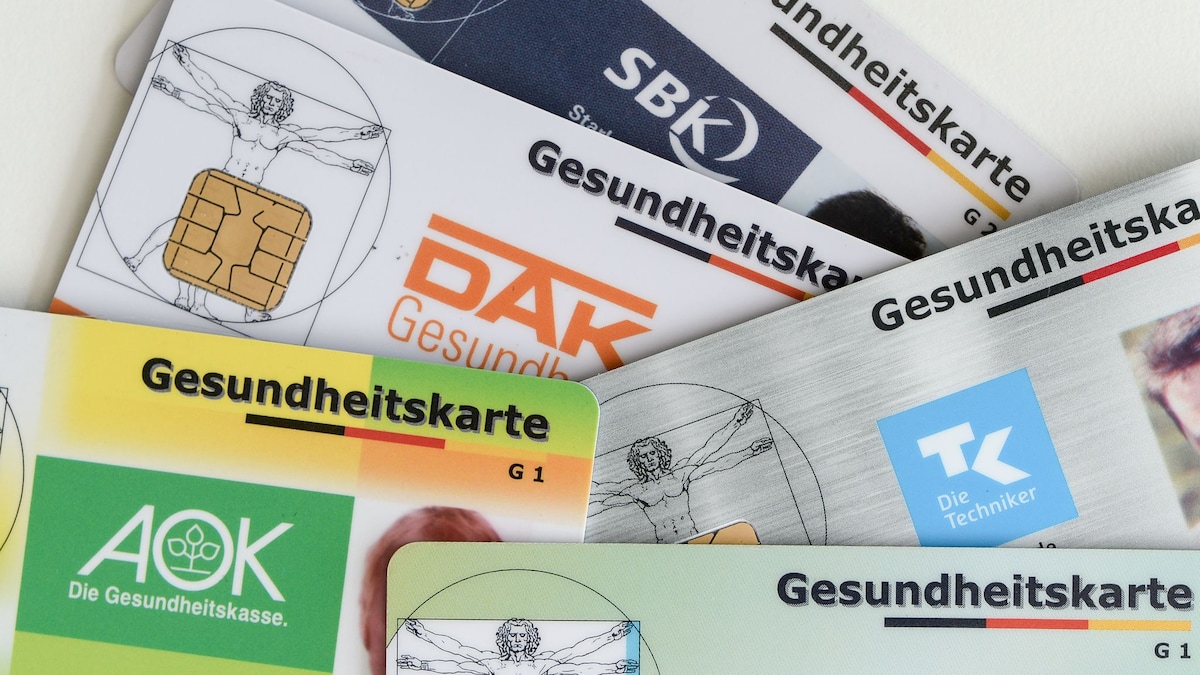
Health Insurance 2026: Why Public Insurance (GKV) Is Getting More Expensive and When Private (PKV) Makes Sense
Germany's public health insurance system (Gesetzliche Krankenversicherung - GKV) is facing another significant cost wave in 2026. Key thresholds are rising: the income ceiling for contributions (Beitragsbemessungsgrenze) will increase from €66,600 (2025) to €69,300 (2026). Furthermore, many public health funds plan to raise their supplemental contributions, with some already exceeding 4%.
For high earners, this translates to a maximum monthly contribution (including long-term care insurance) approaching €1,300—an increase of over 13% compared to 2025. The cumulative extra burden for many employees from 2024 to 2026 could reach up to €250 per month.
This trend raises a critical question for those above the income threshold: Should you consider switching to private health insurance (Private Krankenversicherung - PKV)? This guide breaks down the drivers of GKV costs and the essential factors that determine whether a PKV switch is a smart, long-term financial move for you.
Why GKV Premiums Are Rising: Structural Pressures
The reasons extend far beyond medical inflation. The GKV is a solidarity-based, pay-as-you-go system facing several structural challenges:
- Demographic Shift: Fewer working contributors are financing a growing number of retirees and non-contributing benefit recipients.
- Rising Costs: Increased spending on medications, medical personnel, and technology.
- Systemic Pressure: The model requires regular contribution increases to cover deficits, making costs less predictable for individuals over time.
For American readers, this is akin to the financial pressures facing US Medicare, where a growing beneficiary pool relies on a relatively smaller base of working taxpayers.
The PKV Alternative: Key Eligibility and Suitability Factors
Employees with a gross annual income above the mandatory insurance threshold (Versicherungspflichtgrenze or JAEG)—€77,400 in 2026—are permitted to switch to PKV. For the self-employed and freelancers, it's an option regardless of income.
However, a successful switch depends on more than just income. The table below outlines the ideal profile for PKV versus scenarios where staying in GKV may be preferable.
| Good Candidate for PKV | Better to Stay in GKV (or Proceed with Caution) |
|---|---|
|
|
The Critical Factor Everyone Misses: Long-Term Premium Trajectory
The most common and costly mistake is focusing solely on the entry-level premium. The decisive question isn't the price in 2026, but the premium development over 20, 30, or 40 years.
Real policy histories show that a tariff rated "top" today can double in cost within a decade if it's underpriced or part of an unstable risk pool. Conversely, well-structured tariffs from conservative insurers show moderate, predictable increases over decades.
"I see contracts every day where the premium has doubled in ten years—and others that still cost between €400 and €600 per month even in retirement," says PKV expert Dieter Homburg. "The difference isn't in the marketing, but in the actuarial calculation."
A Real-World Example: One policyholder with a Barmenia tariff started in 2017 at €501.83 per month. By 2023, the premium had already risen to €744.98—a ~50% increase in just six years, and that's for core health coverage before adding extras or long-term care insurance. Such real developments are rarely visible in comparison portals.
Your Action Plan: How to Evaluate a PKV Switch Intelligently
If you're considering PKV, you need more than a superficial portal comparison. Follow this strategic approach:
- Request Long-Term Data: Ask potential insurers or your advisor for the historical premium adjustment history of the specific tariff pool over 15-20 years. Look for stable, single-digit average annual increases.
- Prioritize Insurer Stability: Research the insurer's reputation for long-term, conservative management and sustainable pricing. Favor companies known for maintaining closed, stable risk pools.
- Prepare Meticulously for Underwriting: Your health declaration is a negotiation. Gather complete medical records to ensure accurate risk assessment and avoid unnecessary surcharges.
- Calculate the Total Lifetime Cost: Think in terms of total contributions over your lifetime. A 10% difference in average annual increase can mean a six-figure sum over 40 years.
Conclusion: The GKV is becoming noticeably more expensive in 2026, especially for high earners. If you are young, healthy, have no dependents covered under family insurance, and value long-term stability, it is prudent to examine whether a switch to PKV could be beneficial. Remember: The crucial factor is not the starting price, but the solidity and predictability of the premium over decades. Choosing a sustainably calculated tariff is an investment in your financial security well into retirement.
Dieter Homburg has advised clients on private health insurance and risk protection for over 25 years, focusing on long-term premium stability and affordability. He offers free reviews for privately insured individuals, often identifying potential savings of several thousand euros per year for equivalent coverage. He specializes in helping young professionals establish a stable, long-term private health insurance strategy. He is the author of the bestselling book "Altersvorsorge für Dummies" and is part of the EXPERTS Circle.