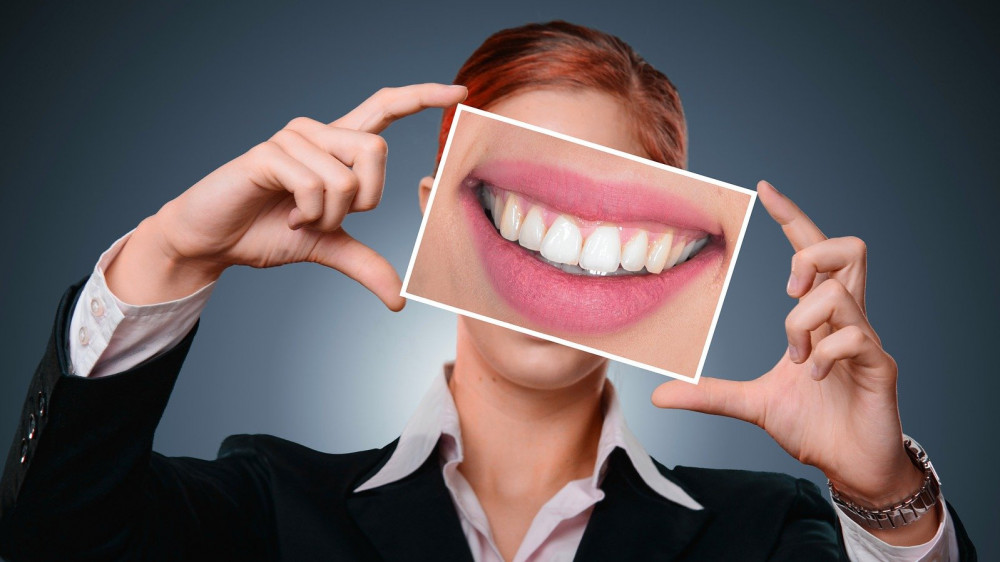
You visit your dentist, and they recommend a professional teeth cleaning (PZR). You know it's good for your oral health, but then comes the bill—typically between 80 and 120 Euros. You might assume your German public health insurance (gesetzliche Krankenversicherung - GKV) will cover it, much like how some US dental plans offer cleanings. Unfortunately, you'd be mistaken. While the removal of tartar is a standard GKV benefit, the comprehensive professional dental cleaning is considered a private service. This leaves you with significant out-of-pocket costs and navigating a maze of partial subsidies. Understanding this gap is the first step to protecting your smile and your wallet.
Advertisement
So, what exactly is a PZR? It's a thorough cleaning that goes beyond basic scaling. Using hand instruments, ultrasonic scalers, and polishing tools, a dental hygienist removes both hard tartar and soft plaque, often finishes with a fluoride treatment, and provides personalized hygiene advice. The German Dental Association acknowledges its potential to reduce gum disease and cavities, though definitive long-term study proof is complex. What's undeniable is the cosmetic and health confidence it provides. However, because it's not recognized as a mandatory benefit in the German statutory health insurance catalog, it must be billed privately under the GOZ fee schedule.
In response to its popularity, most public health insurers (92 out of 103) do offer voluntary subsidies. But here's the catch that affects you directly: these subsidies are often minimal and come with strings attached. On average, for that 80-120 Euro bill, insurers contribute only about 46 Euros. You are left to pay the majority out of pocket. The subsidy mechanisms vary widely, creating confusion:
- Annual Budget: 43% of insurers provide a fixed yearly amount (e.g., 60 Euros).
- Two-Time Subsidy: 12% pay a smaller amount twice a year.
- Simple Reimbursement: 55% allow you to simply submit the invoice.
- Complex Bonus Programs: A burdensome 36% tie the reimbursement to participation in their health bonus program.
These bonus programs, used by major insurers like Barmer and Techniker Krankenkasse (TK), turn a simple reimbursement into a chore. You must complete a checklist of "health measures" (e.g., check-ups, vaccinations, wellness courses) to earn points. For a PZR, Barmer awards 150 points, convertible to a mere 9 Euros. TK offers 1,000 points, worth only 10 Euros. The time, effort, and potential cost of completing other measures often outweigh the tiny financial benefit.
To clearly see the gap between cost and typical GKV support, and to understand a better solution, consider this comparison:
| Cost & Coverage Aspect | Typical German Public Health Insurance (GKV) | Good German Supplemental Dental Insurance (Zahnzusatzversicherung) | US Context Analogy |
|---|---|---|---|
| Professional Cleaning (PZR) Coverage | Partial, voluntary subsidy (~46€ avg.). Often tied to complex bonus programs. | d>Typically covers 80-100% of costs, once or twice a year, with simple direct billing. | Similar to a basic dental plan vs. a comprehensive plan that includes 100% preventive care. |
| Administrative Hassle | High for bonus programs. Must track activities, earn points, and convert them. | Low. Usually direct billing or simple invoice submission to the supplemental insurer. | Like using an HSA for small expenses vs. having a dedicated dental PPO network. |
| Coverage for Major Work (Crowns, Implants) | GKV provides only basic, functional materials (e.g., standard metal fillings, basic crowns). | Covers high-quality materials (ceramic, implants) up to a high percentage (e.g., 80-90%). | Compare Medicare's limited dental coverage to a private Medicare Advantage plan with added dental benefits or a standalone dental policy. |
| Long-Term Financial Protection | Very low. You bear most costs for preventive and cosmetic-quality restorative work. | High. Shields you from unpredictable, high out-of-pocket costs for major procedures. | Protects against catastrophic dental costs, similar to how major medical insurance functions. |
Advertisement
Given the meager and complicated support from public insurers, the recommendation from financial advisors is clear: a supplemental dental insurance policy (Zahnzusatzversicherung) is a wise investment. A good plan can cover 80-100% of your professional cleaning costs, once or twice a year, without the bonus program gymnastics. More importantly, it provides crucial coverage for expensive procedures like ceramic crowns, bridges, and implants, for which the GKV offers only the most basic (and often less aesthetic) alternatives.
When evaluating supplemental dental plans, look for:
- High Reimbursement Rates for preventive care (PZR) and common treatments.
- No or Long Waiting Periods for basic services like cleanings.
- Clear Coverage Caps (Jahreshöchstleistung) that meet your potential needs.
- Positive Customer Reviews on claims processing.
While your public health insurance provides a vital safety net, its dental coverage has significant limitations. Don't let small, conditional subsidies for cleanings distract you from the larger financial risk of major dental work. Investing in a supplemental dental plan is a proactive step to ensure your oral health is maintained with the best care available, without facing daunting bills. It transforms dental care from a cost center into a managed, predictable part of your health budget.