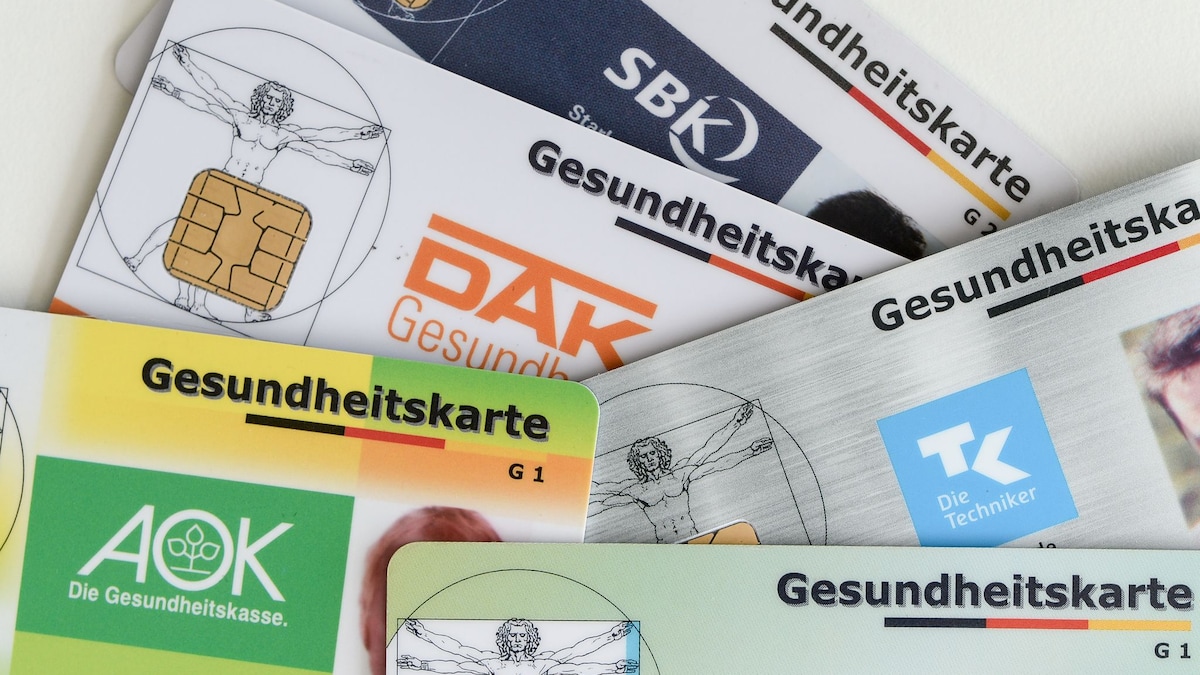
Health Insurance Costs Rising? 5 Steps to Protect Your Wallet Now
If you've felt a squeeze in your budget from rising health insurance costs, you're not alone. Premiums for both public and private plans continue to climb, driven by factors like increased hospital costs, expensive new medications, and higher wages in the healthcare sector. For those in public systems, like Germany's statutory health insurance (GKV), or Americans managing plans under the Affordable Care Act (ACA) marketplace, Medicare, or employer-sponsored insurance, the financial pressure is real. But rising costs don't mean you're helpless. By taking proactive steps, you can regain control, find potential savings, and ensure you have the coverage you need. Here are five key strategies to protect your wallet.
1. Don't Settle: The Power of Comparing Plans
Your single most effective tool against rising premiums is comparison shopping. Insurers compete for your business, and prices can vary significantly for similar coverage.
- For Public Plan Members (GKV / Medicare): If you're in a system with multiple plan options (like choosing among different GKV funds in Germany or Medicare Advantage/Part D plans in the U.S.), review them annually during the open enrollment period. The core benefits are often standardized, but the supplemental contributions (Zusatzbeitrag) or monthly premiums and out-of-pocket costs can differ. A cheaper plan with identical core coverage puts money directly back in your pocket.
- For Private Plan Holders (PKV / Individual Market): Regularly review your policy. Consider consulting an independent insurance broker who can compare offerings from multiple private companies to find the best value for your specific health profile and needs.
Action Item: Mark your calendar for open enrollment. Use official comparison portals (like the government-run Kassencheck in Germany or Healthcare.gov in the U.S.) to get an unbiased overview.
2. Scrutinize Your Coverage: Are You Paying for Extras You Don't Need?
Insurance plans often come with bells and whistles. While some extras are valuable, others might be unnecessary for your current life stage.
- Do you pay extra for alternative medicine coverage, travel health insurance, or specific wellness programs you never use?
- Does your dental plan include orthodontics if no one in your family needs braces?
- For private plans, could you opt for a higher deductible (Selbstbeteiligung) to lower your monthly premium, knowing you have savings to cover the difference if needed?
Streamlining your coverage to match your actual usage can lead to direct savings.
3. Understand the System: How Contributions Are Split
Knowing how premiums are calculated helps you identify where savings are possible. In many employer-based systems, the cost is shared.
| System (Example) | How Premiums Are Typically Shared | Where You Have Leverage |
|---|---|---|
| German Statutory (GKV) | Total premium (~14.6% + supplemental) is split 50/50 between employee and employer. | You control the choice of fund, which determines the supplemental contribution you both pay half of. A cheaper fund saves your employer money too. |
| US Employer-Sponsored | Employer pays a significant portion (often 50-80%), employee pays the rest via payroll deduction. | You can choose among the plan tiers (e.g., HMO, PPO) your employer offers, balancing premium cost with network flexibility and deductibles. |
| US Medicare | Part B has a standard monthly premium. Part D and Advantage plan costs vary. | You choose your Part D or Advantage plan. Comparing can save hundreds per year. |
Key Insight: When your contribution rises, it often means the total cost has risen. Finding a plan with a lower total cost benefits both you and, in shared systems, your employer.
4. Make Strategic Use of Health Savings Accounts (HSAs) or Similar Options
If available in your country's system, tax-advantaged accounts are a powerful financial tool.
- Health Savings Accounts (HSAs - U.S.): Available with high-deductible health plans (HDHPs). Contributions are tax-deductible, growth is tax-free, and withdrawals for qualified medical expenses are tax-free. It's a triple tax advantage that can build savings for future healthcare costs.
- Private Health Insurance (PKV) with Deductibles: Opting for a voluntary deductible (freiwillige Selbstbeteiligung) can substantially lower your monthly premium in private systems. This is a calculated risk that can pay off if you are generally healthy.
These tools shift the focus from just monthly cost to long-term financial planning for health expenses.
5. Consider a Switch to Private Insurance? Proceed with Extreme Caution.
For some high earners (e.g., over €73,800/year in Germany), switching from public to private insurance (PKV) can seem attractive for lower initial premiums and different benefits. This is a major, often irreversible decision with long-term implications.
- Beware of Age-Based Premiums: Unlike the community-rated, income-based contributions of public systems, private insurance premiums are often based on age and health at entry. They can rise steeply as you get older, and subsidies in retirement may not cover the full cost.
- Pre-Existing Conditions Matter: Switching back to public insurance later in life can be very difficult or impossible, locking you into the private system.
- U.S. Analogy: Think of it like choosing a permanent, medically-underwritten plan from the individual market over an ACA plan or Medicare. It offers customization but carries the risk of future cost uncertainty.
Action Item: If considering this switch, consult with an independent, fee-based financial advisor who specializes in health insurance. Do not base the decision solely on short-term savings.
Conclusion: Be Proactive, Not Reactive
Rising health insurance costs are a trend, but not your destiny. By adopting a proactive, annual review habit—comparing plans, optimizing your coverage, understanding cost structures, utilizing tax tools, and making major switches only with full awareness—you transform from a passive payer into an informed consumer. This empowers you to secure the healthcare safety net you need while defending your financial well-being. Start your review today; your wallet will thank you.