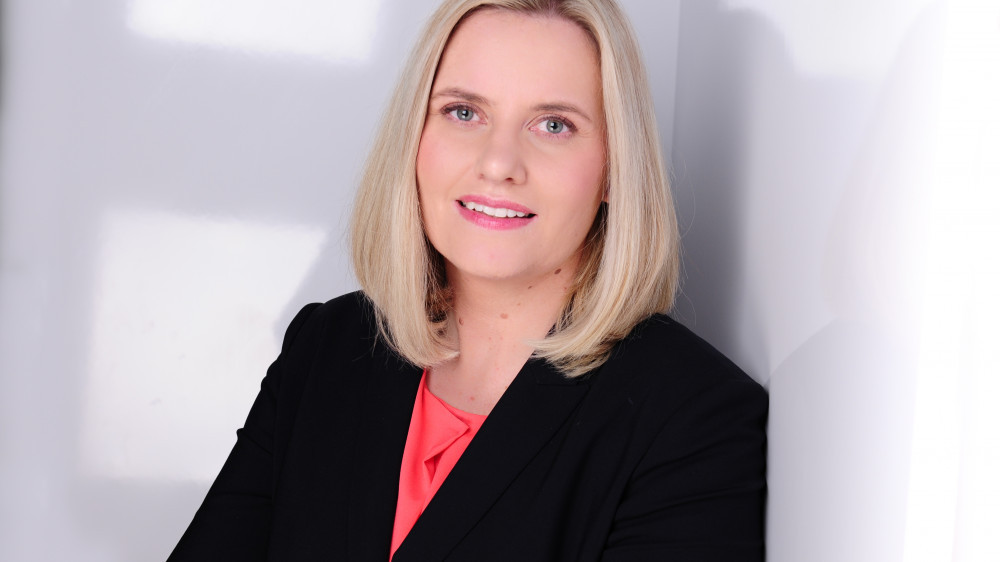
Versicherungsbote: For the second year in a row, your company has had to record a decline in supplemental health insurance policyholders. What causes do you see for this development?
Advertisement
Stephanie Griese: Signal Iduna Krankenversicherung a. G. has a very long-term, stable portfolio. Due to the long-standing policyholder base, natural attrition through death is a significant cause.
The loss is said to have primarily affected hospital daily allowance insurance. Can you confirm this? Is a particular customer group particularly noticeable in cancellation behavior?
We can confirm that a large portion of the supplemental health insurance (KV-Zusatz) departures occurred in the area of hospital daily allowance insurance (KHT). The majority of departures there are due to deaths. The proportion of death-related departures in KHT was around 58 percent as of December 31, 2021.
What consequences does Signal Iduna draw from this development?
It is pleasing that hardly any departures result from premium adjustments. This confirms our strategic focus on premium stability, which we will maintain. In product development, we focus on sustainable growth in younger target groups. This is demonstrated, for example, by the two recent product launches: The dental add-on insurance 'ZahnEXKLUSIV(pur)' with a focus on young adults and families with children, and the modular and budget tariffs in company health insurance. Furthermore, we have strengthened our focus on child coverage in the areas of outpatient, inpatient, and dental with the 'Kinder Gesundheitsschutz'.
In addition to products, we continuously improve our digital offerings for our customers—for example, through online application processes. This leads to increased demand, particularly among younger customers.
Compared to other distribution channels, brokers tend to be at a disadvantage in the supplemental health insurance business. Why do you think that is, and how could it change?
Advertisement
Lean digital processes in the areas of rating, quotation, application, and the entire contract period are not yet widely established in the market. Here, Signal Iduna is gradually building broker- and customer-centric processes, and we are in close exchange with our distribution partners.
Customers, especially in the less complex supplemental health insurance business, value digital application and self-services. This leads to hybrid purchasing behavior, which can be utilized by brokers. For example, Signal Iduna offers a fully digital, signature-less application process for brokers and broker pools for dental add-on insurance, through which the broker can directly conclude the policy with and for their customers. Brokers should take advantage of this hybrid customer behavior, as these customers largely conduct online research themselves but prefer personal advice for the contract conclusion. As a result, customers are often more qualified and increasingly need the expert knowledge of brokers for the purchasing decision of suitable tariffs.
Analysis: The Evolving Landscape of Supplemental Insurance
This interview highlights several key trends in the supplemental health insurance market:
- Aging Portfolios: Established insurers with mature books of business face natural attrition, underscoring the need to attract younger policyholders.
- Digital Transformation: The demand for seamless online processes is no longer optional. Insurers must provide digital tools for both customers and their broker partners.
- The Hybrid Advisory Model: Customers are increasingly informed but seek expert guidance for final decisions. This creates a powerful opportunity for brokers to add value beyond simple product sales.
The Broker's Advantage in a Digital Age
Stephanie Griese's point is crucial: the digital age doesn't replace the broker; it redefines their role. Today's consumers use the internet for initial research but often feel overwhelmed by complex options and fine print. This is where a broker's expertise becomes indispensable for:
- Navigating Complexity: Explaining the nuances between different dental add-on, hospital cash, or ambulatory insurance plans.
- Personalized Risk Assessment: Matching a client's specific health profile, family situation, and financial goals with the right coverage.
- Long-Term Advocacy: Assisting with claims and serving as a point of contact throughout the policy lifecycle.
Brokers who embrace technology to streamline administrative tasks can focus more on this high-value advisory role.
A US Perspective: Parallels in Supplemental Coverage
The dynamics described are highly relevant for the American market as well. US consumers also purchase supplemental policies to fill gaps in primary coverage:
- Medicare Supplement (Medigap): Seniors use brokers and agents extensively to navigate the standardized but confusing Medigap plan letters (Plan G, Plan N, etc.).
- Critical Illness or Hospital Indemnity Plans: These are often sold alongside major medical insurance, and consumers benefit from broker advice to understand payout structures.
- Dental & Vision: Standalone or supplemental dental/vision plans are common, and comparison shopping is essential.
In both Germany and the US, the trend is clear: while digital access is expected, the need for trusted, expert advice to make sense of health insurance options remains strong. Brokers and agents who position themselves as knowledgeable guides in this complex landscape will continue to be vital for consumers seeking the right supplemental insurance protection.
Insurers and brokers are struggling in claims management with high backlogs, increasing claim frequencies, a shortage of skilled workers, and growing customer expectations. Manual processes are expensive and slow.