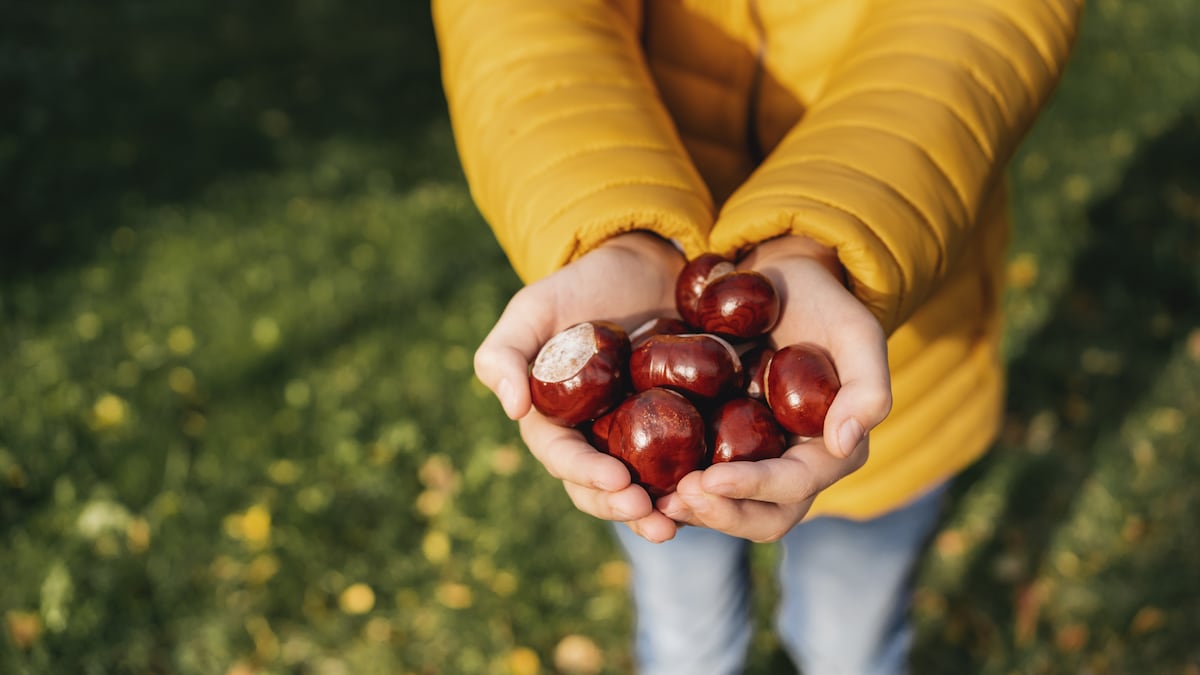
Your Safe Fall Foraging Guide: Edible Chestnuts vs. Poisonous Look-Alikes
The crisp autumn air and fallen leaves signal foraging season. Among the most tempting finds are shiny brown chestnuts. But before you fill your basket, you must know a critical fact: not all chestnuts are edible. In Germany, and across much of the Northern Hemisphere, two main types grow: the delicious, nutritious Sweet Chestnut (Castanea sativa) and the inedible, mildly toxic Horse Chestnut (Aesculus hippocastanum). Mistaking one for the other can lead to stomach upset. Nutrition scientist Uwe Knop provides a clear guide to tell them apart with confidence and enjoy your foraged bounty safely.
Key Differences: Edible Sweet Chestnut vs. Poisonous Horse Chestnut
Use this side-by-side comparison as your primary identification tool. The differences are most obvious in the nut's casing (burr) and the leaf shape.
| Feature | Edible Sweet Chestnut (Castanea sativa) | Poisonous Horse Chestnut (Aesculus hippocastanum) |
|---|---|---|
| Common Names | Sweet Chestnut, Marron, Edible Chestnut | Conker, Buckeye |
| Nut Casing (Burr) | Covered in numerous, dense, needle-sharp spines. Resembles a spiky sea urchin. | Has a thick, leathery, green husk with short, spaced-out, blunt spines or warts. |
| Number of Nuts per Burr | Typically contains 2-3 nuts flattened on one or two sides. | Usually contains only 1 large, round nut. |
| Nut Shape & Marking | Nut has a pointed, tufted tip (hilum). Shell is dark brown with fine hairs at the tip. | Nut is round and smooth with a large, pale, circular scar covering almost the entire base. |
| Leaves | Simple, long, lance-shaped leaves with serrated edges. Grow singly on the stem. | Palmate compound leaves, meaning 5-7 leaflets radiate from a single point like fingers on a hand. |
| Toxicity | Safe and nutritious when cooked. | Contains aesculin, which is toxic and can cause nausea, vomiting, and abdominal pain. |
How to Select and Store Fresh Sweet Chestnuts
Once you've correctly identified edible chestnuts, follow these tips for the best quality:
- Firm and Heavy: The nut should feel solid and heavy for its size, indicating a plump kernel.
- Glossy Shell: A shiny, dark brown shell is a sign of freshness. Avoid nuts with dull, shriveled shells.
- No Rattling: Shake the nut. If you hear the kernel rattling inside, it has dried out and shrunk.
- Storage: Fresh, unprocessed chestnuts are highly perishable. Store them in a perforated bag in the refrigerator for up to a week. For longer storage, blanch, peel, and freeze them.
Can You Eat Sweet Chestnuts Raw?
Technically yes, but it's not recommended. Unlike horse chestnuts, sweet chestnuts are not toxic when raw. However, they contain high levels of tannic acid, which makes them taste very astringent and bitter. They are also hard to digest raw. Cooking (roasting or boiling) is essential—it neutralizes the tannins, transforms the starch into a sweet, fluffy texture, and makes them delicious and easily digestible.
A Fall Feast Recipe: Chestnut Bourguignon (Châtaigne Bourguignon)
Celebrate your foraged treasure with this hearty, vegetarian twist on the French classic. It showcases the chestnut's rich, nutty flavor and meaty texture.
Ingredients (Serves 4):
- 500g fresh sweet chestnuts, peeled (or 250g vacuum-packed cooked chestnuts)
- 200g pearl onions or small shallots, peeled
- 200g baby carrots
- 200g mushrooms (cremini or button), halved
- 3 cloves garlic, minced
- 2 tbsp tomato paste
- 1 tbsp all-purpose flour (or gluten-free alternative)
- 750ml robust red wine (e.g., Pinot Noir)
- 250ml vegetable broth
- 2 sprigs fresh thyme, 2 bay leaves
- 3 tbsp olive oil
- Salt and black pepper to taste
- Fresh parsley, chopped (for garnish)
Instructions:
- If using fresh chestnuts, score an 'X' on the flat side, boil for 15-20 minutes, then peel while warm.
- In a large Dutch oven or heavy pot, heat olive oil over medium heat. Sauté pearl onions and carrots until lightly browned. Remove and set aside.
- Add mushrooms to the pot and sauté until golden. Add garlic and cook for 1 minute until fragrant.
- Stir in tomato paste and flour, cooking for another minute. Gradually pour in the red wine, scraping up any browned bits from the bottom of the pot.
- Add vegetable broth, thyme, bay leaves, the sautéed onions/carrots, and all the chestnuts. Bring to a simmer.
- Cover and simmer gently on low heat for 45-60 minutes, until the sauce has thickened and the chestnuts are tender.
- Season generously with salt and pepper. Discard thyme sprigs and bay leaves.
- Garnish with fresh parsley and serve over creamy mashed potatoes or buttered egg noodles, with a side of green beans.
Foraging and Your Health: A Natural Partnership
Engaging with nature through foraging is a holistic approach to wellness, connecting physical activity, nutrition, and mindfulness. It's a form of preventive health that costs nothing but your attention. In a way, it's like having a comprehensive natural health insurance policy—you're actively investing in your well-being by sourcing fresh, unprocessed food and spending time outdoors.
For American readers: Just as you would carefully review the details of a Medicare Part D plan to ensure it covers the specific medications you need, careful identification in foraging ensures you 'cover' yourself with safe, beneficial food. Taking the time to learn the differences between edible and toxic plants is the essential 'deductible' of knowledge you pay upfront for a season of safe, rewarding harvests.
Safety First: When in doubt, throw it out. Never consume a wild plant or nut unless you are 100% certain of its identity. Use multiple identification features (burr, leaf, tree) to confirm. Happy and safe foraging!