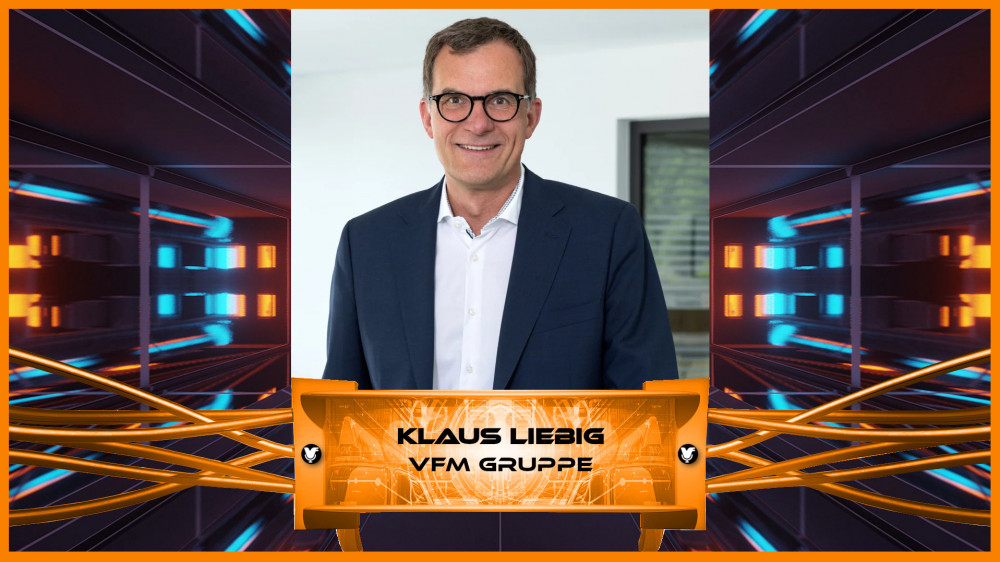
2030 Vision: How Liquid Delegators and AI Will Reshape the Insurance Landscape
What will the insurance industry look like on February 3, 2030? This is the central question explored in a groundbreaking series of discussions with top executives, futurists, and tech leaders from companies like Google and IBM. In an exclusive conversation, Klaus Liebig, Managing Director of the vfm Group, shares his provocative forecast. His insights reveal a future defined by sophisticated clients, artificial intelligence, and the inevitable decline of the generalist. For insurance agents and financial advisors in the US, these trends offer a crucial roadmap for adapting your practice to thrive in the coming decade.
The Rise of the "Liquid Delegator": Your Future Ideal Client
Liebig introduces a pivotal concept for the future of insurance distribution: the "liquid delegator." This client represents a financially savvy individual or business owner with complex assets and insurance needs—think high-net-worth clients, successful business owners, or sophisticated investors. They possess the capital (liquidity) but lack the time or specialized expertise to manage their intricate risk management and insurance portfolio.
Driven by demographic shifts and a shortage of personal advisors, these clients will actively seek out expert intermediaries to whom they can delegate the entire process. They won't shop for the cheapest auto insurance quote online; they will seek a trusted specialist who can architect a comprehensive plan covering liability insurance, cyber risk, umbrella policies, and advanced estate planning strategies. For the modern insurance broker, this shift means moving from a transactional sales role to becoming a indispensable strategic partner.
Artificial Intelligence: The Advisor's Powerful Ally, Not a Replacement
AI will be fundamental in serving this new clientele, but its role is often misunderstood. Liebig clarifies that AI will excel in handling data-intensive, repetitive tasks:
- Automated Underwriting & Risk Assessment: Quickly analyzing vast datasets to price complex commercial risks.
- Personalized Policy Recommendations: Using client data to suggest tailored coverage options, much like algorithms suggest Medicare Part D plans based on prescription history.
- Efficient Claims Processing: Streamlining first notice of loss and initial triage.
However, Liebig highlights a critical limitation: AI struggles with legacy policies. Older contracts with non-standard language, amendments, and historical context often reside in unstructured formats that challenge even advanced AI. This underscores the enduring value of human expertise—the experienced advisor who can interpret these documents and understand the client's unique history.
The End of the Generalist: Why Specialization is Non-Negotiable
The "one-stop-shop" agent selling life insurance, homeowners insurance, and commercial policies is a model headed for obsolescence. Liebig argues that the future belongs to the specialist. The liquid delegator demands deep, niche expertise. This mirrors trends in other professions; you wouldn't see a cardiologist performing orthopedic surgery.
Future-successful advisors will be known for mastery in specific areas:
| Specialization Area | Client Profile & Needs | US Market Analogy |
|---|---|---|
| Cyber Risk & E&O | Tech startups, SaaS companies, consultants | Providing tailored Errors & Omissions (E&O) insurance and cyber liability coverage. |
| High-Net-Worth Personal Lines | Affluent families with art collections, multiple properties, yachts | Structuring layered umbrella insurance and valuable articles policies beyond standard HO-3 policies. |
| Employee Benefits & Group Health | Small to mid-size businesses (SMBs) | Navigating the complex landscape of group health insurance, HSAs, and voluntary benefits. |
| Senior Market & Medicare | Individuals transitioning to Medicare | Expertly comparing Medicare Advantage (Part C), Medicare Supplement (Medigap), and Part D prescription drug plans. |
Embedded Insurance: A Limited Future?
While "embedded insurance"—where coverage is offered at the point of sale for a product (e.g., phone insurance at checkout)—is a hot topic, Liebig is skeptical of its major disruptive potential in the core advisory space. He sees it fulfilling a role for simple, commoditized products but believes it will not replace the need for the complex, advice-driven solutions required by liquid delegators. The human element of trust, negotiation, and customized strategy remains paramount for significant financial decisions.
Your Action Plan for the Future
The message from this 2030 outlook is clear. To future-proof your career as an insurance professional:
- Identify Your Niche: Double down on a specific market where you can build unparalleled expertise.
- Embrace AI Tools: Adopt technology to automate administrative tasks, freeing you to focus on high-value advisory work.
- Cultivate a Consultant Mindset: Position yourself as a strategic "liquid delegator" partner, not just a policy seller.
- Master Complex Cases: Your value will lie in handling the intricate scenarios where AI falls short.
Listen to the full, thought-provoking conversation with Klaus Liebig for deeper insights into these transformative trends.
Insurers and brokers face significant challenges in claims management, including high backlogs, increasing claim frequencies, a shortage of skilled professionals, and rising customer expectations. Manual processes are costly and inefficient.