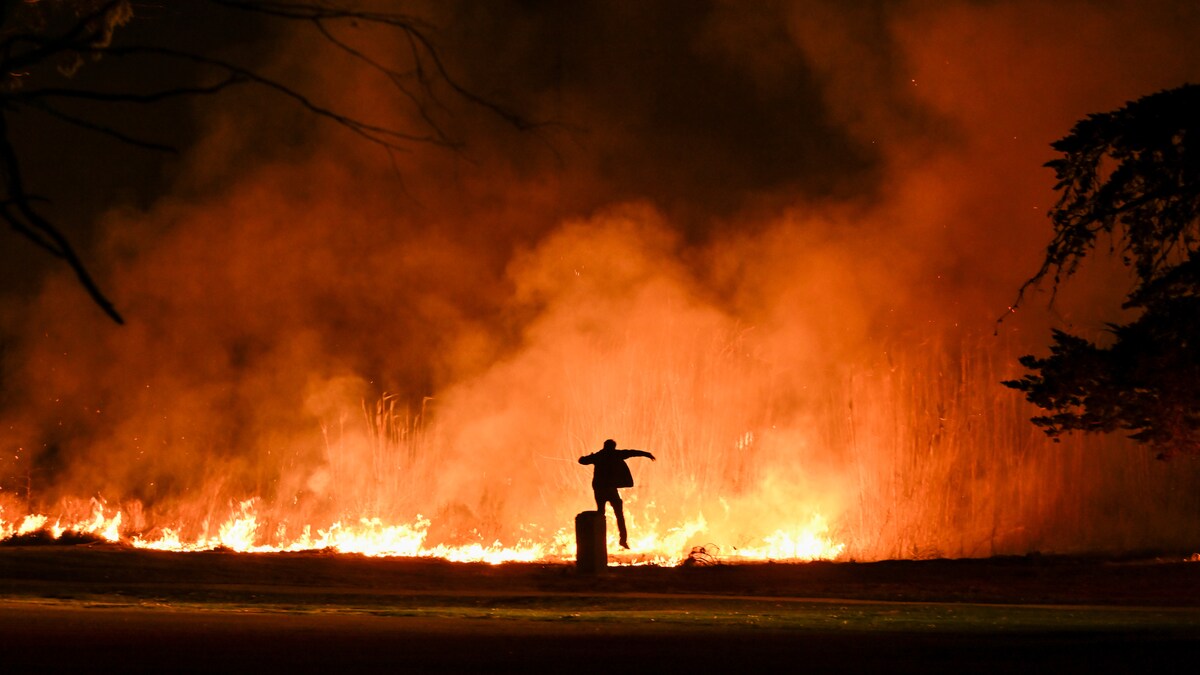
Los Angeles Wildfires: Insurance Crisis, Rising Premiums, and Global Repercussions
The devastating wildfires raging in and around Los Angeles are not just an environmental disaster—they are triggering a profound insurance crisis with global financial ripples. For homeowners, the immediate threat is losing their properties; the secondary shock is discovering their homeowners insurance may not cover the loss, or that their policy has been canceled outright. This event is forcing the world's largest reinsurer, Munich Re, to assess massive liabilities, signaling that fire insurance premiums are poised to skyrocket worldwide. Here’s what you need to know about the insurance fallout and its broader implications.
The On-the-Ground Insurance Crisis: Policy Cancellations and Insolvency Fears
As flames engulf neighborhoods, many residents face a harsh financial reality. Major insurers like State Farm have proactively canceled thousands of policies in high-risk areas, including Pacific Palisades, leaving homeowners without coverage during the disaster. This trend isn't isolated; the entire industry has been retreating from California's fire-prone zones for years.
The root cause traces back to state regulations that capped insurance premiums, making it financially unsustainable for private companies to offer fire damage coverage. The last resort for many became the state-backed "California Fair Plan." However, this safety net is perilously thin. With insured properties valued over $300 billion but reserves of only about $200 million, officials have warned they are "one bad fire season away from insolvency." That catastrophic season is now here.
Global Financial Impact: Munich Re and the Reinsurance Chain
The financial shockwaves extend far beyond California. Munich Re, the world's largest reinsurer, is now meticulously evaluating its exposure. Reinsurers act as insurers for insurance companies, absorbing large-scale losses. The scale of the Los Angeles fires—with early damage estimates up to $57 billion—threatens to make it the costliest wildfire event in U.S. history, dwarfing the previous $10 billion record.
Analysts from Moody's and Fitch Ratings project total economic damages between $150 and $275 billion, a significant portion of which may be uninsured. This event alone could match the global natural disaster losses for all of last year, which totaled $320 billion. The uncertainty has already rattled investors, reflected in Munich Re's declining stock price.
The Inevitable Outcome: Soaring Insurance Premiums Worldwide
For homeowners everywhere, the primary takeaway is clear: insurance costs are set to surge. Glenn Kelman, CEO of Redfin, warns that future fire insurance premiums could "double, triple, or quadruple." This will fundamentally alter the cost of homeownership. When calculating affordability, buyers must now heavily factor in escalating home insurance costs, a trend becoming global due to climate-related risks.
Munich Re experts directly link this increased risk to climate change, which creates hotter, drier "fire weather" conditions, exacerbated by high winds. These factors allow fires to spread faster and wider, increasing the frequency and severity of insured losses.
What This Means for You: Protecting Your Home and Finances
Whether you live in a wildfire zone or not, this crisis underscores critical steps for protecting your largest asset:
- Review Your Policy Annually: Ensure you have adequate dwelling coverage that reflects your home's current replacement cost. Understand your policy's specifics regarding natural disasters.
- Understand Your Risk: Check if your area is considered high-risk for wildfires, floods, or other climate perils. This directly affects your premium and insurer's willingness to cover you.
- Shop Around and Compare: As premiums rise, regularly comparing quotes from different insurance companies can help you find the best rate and coverage.
- Consider Mitigation Measures: Installing fire-resistant materials, creating defensible space, and upgrading home systems can sometimes lower premiums and reduce risk.
- Plan for the Long Term: Factor rising insurance costs into your long-term housing budget. What seems affordable today may not be in five years.
The Los Angeles wildfires are a stark reminder that in our interconnected world, a local disaster can reshape global insurance markets. By staying informed and proactive about your property insurance, you can better navigate this new era of climate risk and financial uncertainty.
The situation remains fluid, but the trend is undeniable: the age of cheap, readily available disaster insurance is ending. Securing comprehensive coverage is more important than ever for your financial security.