A Social Media Misstep: How an Insurance Company's Vegan Campaign Alienated Its Core Clients
In today's interconnected world, a single social media post can trigger a corporate crisis. This was the harsh lesson learned by the German LVM Insurance Group in early 2023. In an effort to support the global "Veganuary" campaign—which encourages a plant-based diet for January—LVM offered vegan meals to employees and highlighted the environmental benefits of veganism online. The post emphasized savings in greenhouse gases, water, and animal lives. However, for an insurer with deep roots in agricultural insurance, this well-intentioned act was perceived as a betrayal by its farming clientele, leading to a significant reputational and business risk event. For any insurance company, especially those with specialized books of business like crop insurance or farm and ranch insurance in the US, this case is a masterclass in the delicate balance between corporate social responsibility and core client relationships.
The Backlash: When Clients Feel Betrayed
The reaction from LVM's agricultural customers was swift and severe. Many felt the campaign, which implicitly criticized traditional animal agriculture, was an attack on their livelihood. For a company whose history is intertwined with farming, this wasn't just a marketing error; it was a breach of trust. The incident underscores a critical principle for insurers: know your client base intimately. A message that resonates with a general urban audience may deeply offend a niche, specialized segment that forms your financial backbone.
Leadership Response: Damage Control and Lessons Learned
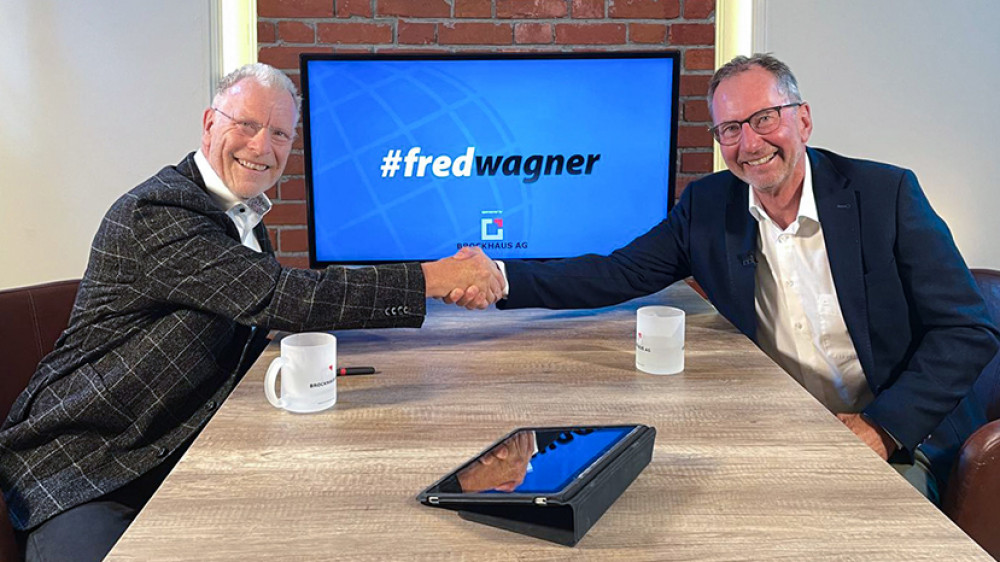
In a subsequent interview for the #fredwagner format, LVM's Sales Board Member, Peter Bochnia, openly addressed the misstep. He acknowledged the post was "not happily chosen" and led to major misunderstandings. The reference to a Harvard study on environmental impact, while factually based, lacked the necessary context and sensitivity.
Bochnia detailed the intensive, two-week crisis response:
- Immediate Escalation: Senior leadership, including Composite Board Member Heinz Gressel, personally intervened with major agricultural clients.
- Relationship Reinforcement: Communication with the farming community was intensified to rebuild trust.
- Internal Mobilization: The company's network of trusted representatives (Vertrauensleute) was activated to manage the fallout on the ground.
Bochnia called the experience a stark lesson in "the power and impact of social media," stating it takes skill to manage how a "small situation" can explode online—a skill that must be learned.
Key Risk Management Takeaways for Insurance Companies
This incident is more than a PR case study; it's a risk management lesson. Here’s what every insurer, from large carriers to independent agencies selling business insurance or Medicare plans, should consider:
- Conduct Stakeholder Impact Analysis: Before launching any public advocacy campaign, map how it will be perceived by every key client segment. Would a post about climate change alienate clients in the oil & gas sector? Would promoting telehealth upset traditional healthcare providers you insure?
- Separate Internal & External Messaging: Encouraging sustainable practices among employees is one thing. Publicly championing a lifestyle that contradicts the practices of your core clients is another. The internal cafeteria initiative could have remained just that—internal.
- Have a Crisis Communication Plan: LVM's swift, senior-led response was crucial. Every organization needs a predefined protocol for when social media sentiment turns negative.
- Understand Your Brand's Heritage: For companies with a strong identity (like LVM's agricultural roots), any public communication must be filtered through that legacy. Straying too far can appear inauthentic or hostile.
The Broader Insurance Industry Context
Insurers are increasingly expected to take stands on environmental, social, and governance (ESG) issues. However, the LVM case shows the peril of doing so without nuanced strategy. For a US health insurance company, advocating for specific public health policies could alienate segments of its member base. For a life insurance carrier, comments on societal issues could spark backlash. The lesson is not to avoid taking a stand, but to do so with extreme care, considering all facets of your underwriting portfolio and client relationships.
Watch the Full Discussion
To gain deeper insights from Peter Bochnia and Professor Dr. Fred Wagner on this pivotal event and its implications for corporate communication in the digital age, watch the full interview. It's an essential case study for any leader in the insurance space.
The full interview can be viewed as a video.
Insurers and brokers struggle in claims management with high backlogs, increasing claim frequencies, a shortage of skilled labor, and growing customer expectations. Manual processes are expensive and slow.