Mandarin vs. Clementine: Which Citrus Fruit is Healthier for You?
When you reach for a "mandarin," you might actually be picking up a clementine. While these two citrus fruits look remarkably similar, they are not identical twins. Understanding their differences can help you make the healthiest choice for your diet. Just as you would compare health insurance plans like Medicare Advantage versus a private PPO to find the best fit, knowing your citrus can optimize your nutritional intake. This guide, based on insights from nutrition experts, breaks down everything you need to know.
Origin and History: A Tale of Two Fruits
- Mandarin: Originates from China and boasts a history of about 3,000 years.
- Clementine: A much younger hybrid, created roughly a century ago from a cross between a mandarin and a bitter orange.
Key Differences: Taste, Appearance, and Practicality
| Feature | Mandarin | Clementine |
|---|---|---|
| Taste Profile | More aromatic, robust, and slightly tart. | Sweet to mildly tangy, often less complex. |
| Size & Peel | Larger with a thinner, easier-to-peel skin. | Slightly smaller with a thicker, more durable peel. |
| Shelf Life | Shorter due to thinner skin. | Longer, thanks to its thicker protective peel. |
| Peeling Ease | Very easy; segments often separate cleanly. | Also easy, but the peel is sturdier. |
Nutritional Showdown: Which is Healthier?
When it comes to core health benefits, both fruits are excellent sources of vitamin C, fiber, and antioxidants. The significant nutritional difference isn't between the fruits themselves but in how you eat them.
The Critical Health Tip: Don't Peel the White Pith!
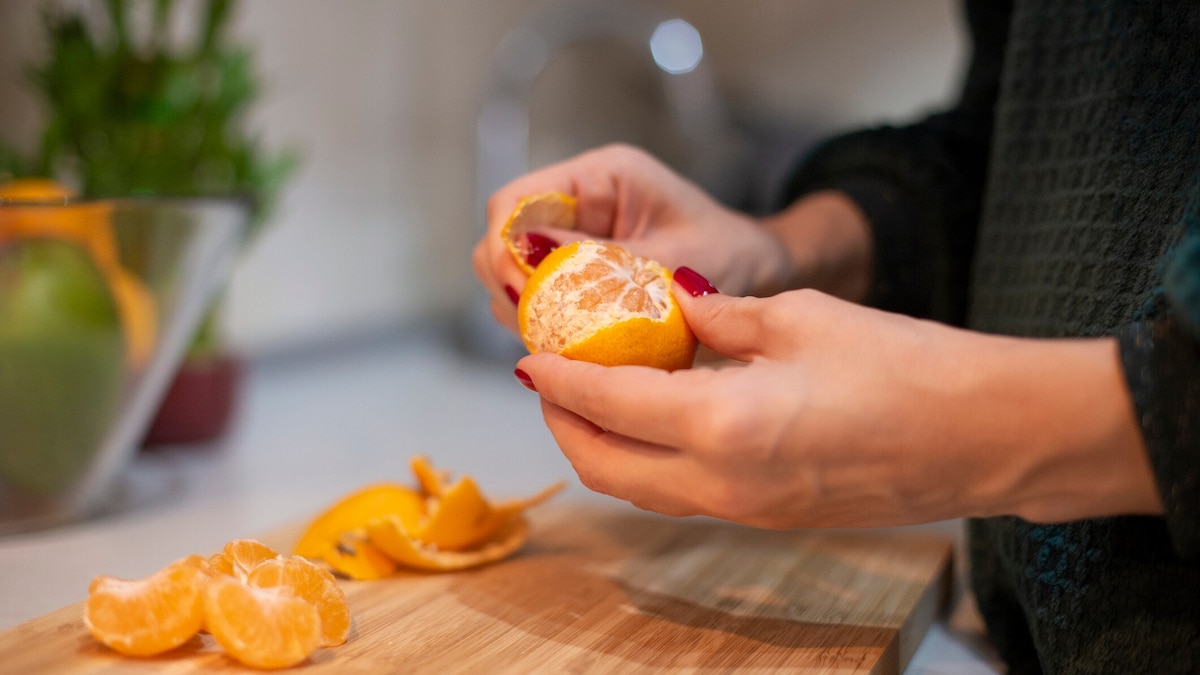
Many people meticulously remove the white, web-like tissue (the pith and albedo) surrounding the segments. Nutrition experts advise against this. This pith is rich in bioflavonoids and other phytonutrients that offer powerful benefits:
- Cell Protection: These compounds act as antioxidants, protecting your cells from damage.
- Blood Pressure Regulation: They can help support cardiovascular health.
- Enhanced Nutrient Absorption: The pith may improve the body's uptake of vitamin C.
Eating the fruit with some of the pith is a simple way to boost your preventive health routine. Think of it as getting the most comprehensive coverage from your food—similar to ensuring your health insurance policy includes essential preventive care services.
Shopping Smart: How to Pick the Best Fruit
To ensure you're getting fresh, juicy fruit, follow this expert tip: Avoid any mandarin or clementine where you can feel a significant hollow space between the peel and the fruit flesh. This gap often indicates the fruit has been stored for too long and has begun to dry out, diminishing its quality and nutrient content.
Connecting Nutrition to Your Overall Health Strategy
Making informed food choices is a fundamental part of managing your long-term health and potentially reducing your healthcare costs. A diet rich in fruits, vegetables, and phytonutrients supports your immune system and helps prevent chronic illnesses. This is a core principle of preventive healthcare, which is a focus of many health insurance plans in the U.S., from private insurance to Medicare and Medicaid.
Just as you utilize your medical insurance for annual wellness visits and screenings, use nutritional knowledge as a daily tool for wellness. Whether you choose a fragrant mandarin or a sweet clementine, consuming it wisely—with its beneficial pith—is a small, tasty step toward better health.
This article is for informational purposes only and is not medical advice. For personalized dietary guidance, consult a healthcare provider or registered dietitian.