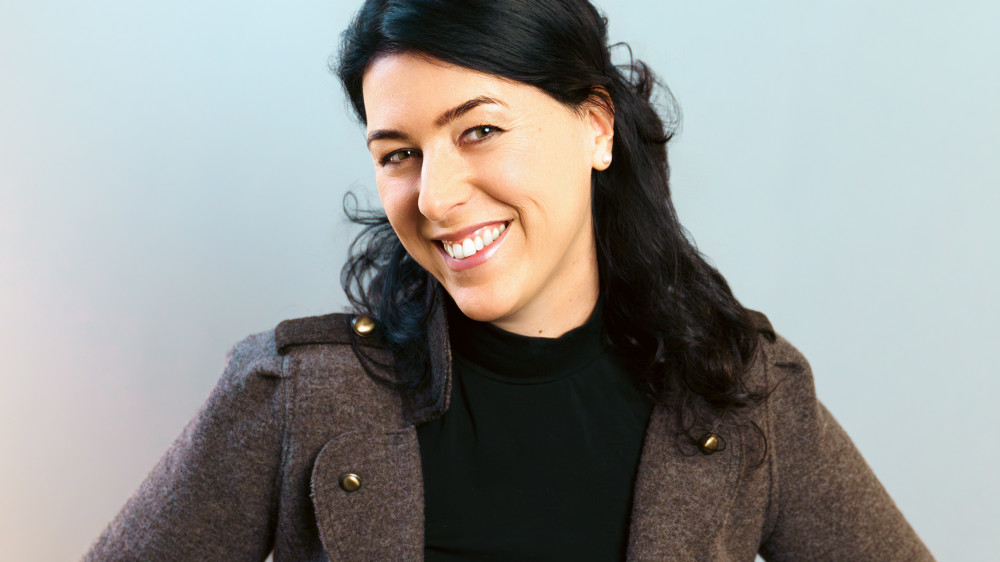
Q: Dr. Handerer, you are Germany's first independent broker consultant. What inspired you to take this path, and what gap did you identify in the market?
A: My journey began as a traditional, company-employed broker consultant. While building my Young Professionals network for new agents, I grew quickly but soon hit internal corporate limits. I realized that despite positive modern trends, some insurers were not ready to adapt their internal processes to meet the needs of the next generation of brokers. This clashed with my strong vision for the consultant role, which had become a true calling through my work with young agents. So, I took a risk. Instead of joining a competitor, I became Germany's first independent broker consultant. I saw gaps—but also significant opportunities—in the relationship web between brokers, their consultants, and insurance carriers, and I wanted to shape them positively.
Q: What advantages does your independent model offer over traditional, carrier-employed broker consultants?
A: When an independent consultant supports independent brokers, the core benefits are transparency and choice. In my seminars and coaching, I can objectively discuss the pros and cons of different carrier partnerships and products, sharing insider tips usually reserved for top producers.
The real difference shines in my daily work through the Deluxe Broker Support project. My network and I have developed a profile for direct carrier partnerships. Acting as a buying consortium, we negotiate much more efficiently with companies willing to offer genuine, sustainable support. This includes waiving policy fee charges, enabling direct communication with underwriters through me, and co-support from selected key accounts. With my insider knowledge, I can secure better deals for our network than an individual broker could—this applies to pool affiliations and discounts with tech service providers too.
I empower solo agents with more service, more commission, and a stronger network. My independence allows me to convincingly show brokers the tangible benefits of loyalty to specific carriers and pools. I also alleviate the workload of carrier key accounts by handling underwriting queries and consolidating feedback. We play ball together. This new position is a tremendous advantage for all sides, especially for the brokers.
Q: You founded the Young Professionals network. What are its goals, and how does it concretely support new brokers?
A: Our network unites young brokers interested in a free, sustainable business model. I connect these like-minded personalities. Each member collaborates with me in various ways and enjoys numerous benefits through my negotiations with stakeholders and personal networks (e.g., with underwriters). The goal is to offer the advantages of a collective without a high cost in commission splits or sacrificing their own brand on policies.
We host an annual offline convention. I collect topics members are passionate about and then ask other brokers within the circle to present—a true peer-to-peer exchange. Our premium carrier partners attend but don't give product pitches; the day focuses on community and ends with a social event. It's about building a supportive ecosystem.
Q: As a 4th DAN Taekwondo master, you possess discipline and perseverance. How have these traits shaped your career?
A: These two developments happened almost in parallel. Without these qualities, I would have left the insurance industry long ago. My Taekwondo teacher has exemplified these traits for over 20 years, against all odds. As a master in Traditional Taekwondo and as Germany's first independent broker consultant, I work daily to live up to my own role model status. My goal is to positively influence my immediate environment and inspire others to pay it forward.
Q: What specific challenges do you see for new brokers today, and how do you help them overcome these?
A: The overwhelming choice of pools, carriers, and distribution models can lead to confusion and overload. False promises or misinformation often trigger exhausting switches between concepts and partnerships—it's like constantly moving house; it takes time and things break. Add quick startup partnerships that dissolve, and you have perfect chaos, leading to frustration and unclear commission expectations.
The young brokers who contact me are often in this turmoil. I help them first regain their sovereignty and define their true mindset. Then we strategize: Which pool or carrier truly fits? This process takes time initially but saves time long-term because decisions are intentional and lasting. I encourage every broker to build a sustainable, independent business model—achievable even for beginners. If our mindsets align, we can work together long-term through Deluxe Broker Support, where I provide substantial day-to-day assistance, and they can tap into the Young Professionals network for peer exchange.
Q: You've mentioned few women are in insurance sales. Why do you think that is, and what can be done to attract more women?
A: More open communication, more empathy, less elbow mentality in some leadership circles. Promote more women as mentors.
Q: Many new brokers struggle to establish themselves. What concrete tips would you give a beginner to position themselves successfully?
A:
- Financial Prudence: Don't spend money you don't have. Use common sense with "spectacular" offers.
- Mindset & Purpose: If you're not ready to work hard or handle rejection, do something else. Our products help people in terrible situations; if you lack empathy, you harm the industry. Be proud of your relevant, important job!
- Partnerships: Don't start a company with partners you haven't known for at least 10 years, through all their ups and downs.
- Networking: Seek peer networks for exchange, but also get advice from veterans with 10+ years in the field.
- Due Diligence: Read all partnership contracts (e.g., commission agreements) thoroughly. Consider worst-case scenarios before signing.
- Ask Questions: Dare to ask if you don't understand. Avoid those who won't answer tough questions.
- Reputation: Build an excellent reputation through reliability and quick response times. Honor your word, even when it's inconvenient.
- Strategic Focus: Ensure your business model matches your mindset. Make conscious decisions about carrier/pool partnerships and stick with them for several years without constantly looking sideways.
Q: The industry is transforming through digitalization. What digital tools or strategies should brokers use to stay competitive?
A: Digital tools that ease organization, reduce admin, or gather data are important—which ones are best is a matter of taste. However, for the best client outcomes in sensitive areas like underwriting and claims, you need the opposite of digital solutions: you need individual, human assessment. You need people on the carrier side you can contact directly to solve client problems—not just an email to a generic inbox. The client expects this and will refer you based on it. Every serious broker should ask: a) Do I know these people? and b) More importantly, am I actively nurturing these relationships? The probability you'll need them is extremely high over time.
Q: If you had one wish to sustainably change the insurance industry, what would it be?
A: I'm already enacting my wish through my concept. The brokers I support and I receive attractive advantages within the industry for efficient client problem-solving, not because we promise short-term scale, but because we focus on quality and slow, steady growth. The significant support and positive feedback we're receiving tell me we're on the right path together.