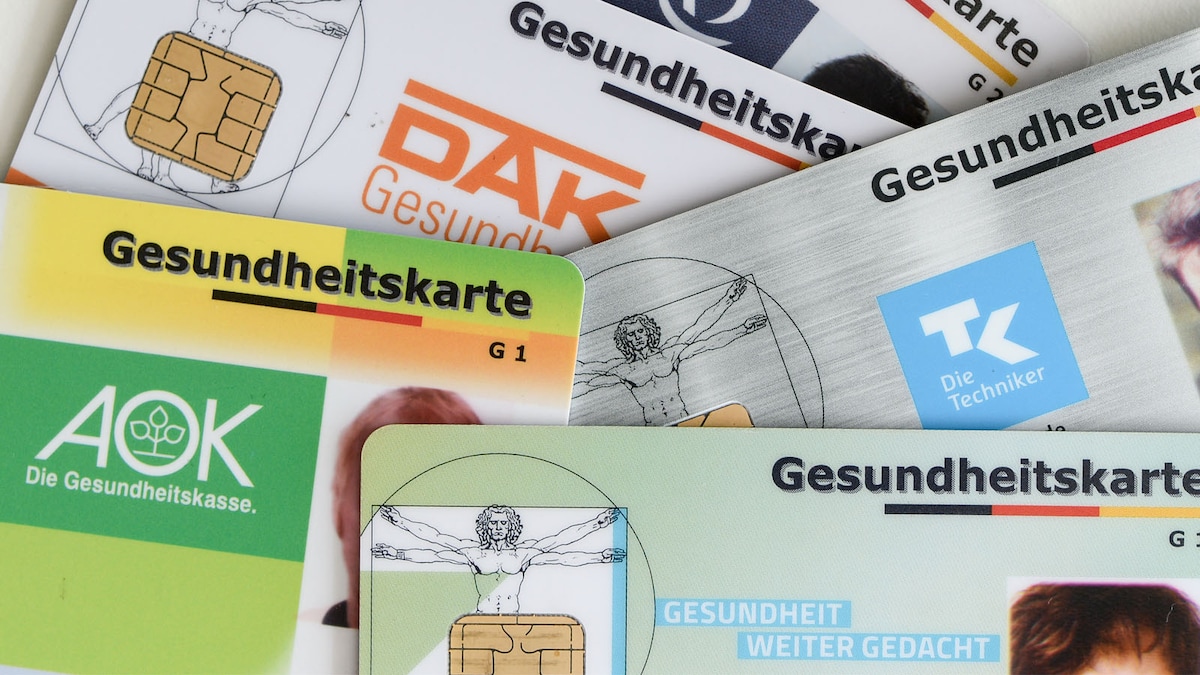
Health Insurance Premiums Rise Again: Which Insurers Are Increasing Costs and Why
If you are enrolled in Germany's public health insurance system (Gesetzliche Krankenversicherung, GKV), your monthly costs are likely going up. Effective July 1st, numerous health funds have increased their supplementary contributions (Zusatzbeiträge), adding to the financial pressure on households. This trend mirrors broader challenges in healthcare financing, familiar to Americans facing rising premiums for private health insurance and concerns over Medicare sustainability. This article provides a clear overview of which insurers are hiking rates, the scale of the increases, and the systemic reasons driving this persistent upward trend.
The Current Rate Hike: Which Insurers Are Affected?
This mid-year adjustment is not an isolated event. It follows a wave of increases at the start of the year from major insurers like Barmer and Techniker Krankenkasse (TK). The supplementary contribution is the variable portion of your premium, set independently by each insurer based on its financial health.
Key Figures to Understand:
- Base Contribution: Fixed at 14.6% of gross income, split evenly between employee and employer.
- Supplementary Contribution (Zusatzbeitrag): The variable add-on. The government's official "orientation value" for 2025 was 2.5%, but the actual average had already climbed to 2.9% at the start of the year. The latest increases push it even higher.
- Total Burden: For an employee, the total deduction is roughly 14.6% + (Zusatzbeitrag/2), as the supplementary contribution is borne solely by the employee.
To check your specific insurer's current rate, you should consult the official list published by the National Association of Statutory Health Insurance Funds (GKV-Spitzenverband).
Why Are Premiums Constantly Rising? The Root Causes
The July increase is a symptom of a deep structural crisis within the public health insurance system. Health Minister Nina Warken has described the situation as "more dramatic than assumed." Several key factors are creating unsustainable cost pressure:
- Massive System Deficit: The GKV recorded a staggering €6.2 billion deficit in 2024. Despite government loans, the underlying imbalance remains.
- Uncontrolled Expenditure Growth: Costs are rising far faster than contributions. According to GKV head Oliver Blatt:
- Hospital costs: up almost 10%
- Doctor's practice costs: up 7%
- Pharmaceutical costs: up over 6%
- Demographic Pressure: An aging population requires more frequent and complex medical care.
- Political Short-Term Fixes: Government loans (like the two new ones planned for 2026) are criticized as "political eyewash" that postpone but do not solve the problem. These loans must eventually be repaid, adding future strain.
What This Means for You and Your Wallet
The direct impact is a reduction in your net income. But the implications are broader:
- Higher Monthly Deductions: Each percentage point increase in the supplementary contribution significantly impacts your take-home pay. The GKV chief warns the average could soon hit 3%.
- Pressure on Employers: While they don't pay the supplementary part, high healthcare costs affect overall labor expenses and economic competitiveness.
- No End in Sight: With expenditure growth outpacing revenue, experts warn the "spiral is turning ever faster." Further increases in 2025 and 2026 are highly probable.
What Can You Do? Proactive Steps to Manage Costs
While you cannot control system-wide trends, you can take action to manage your personal costs:
- Compare and Switch Insurers (Krankenkassenwechsel): This is your most powerful tool. Insurers set different supplementary contributions. Use comparison portals to find a fund with a lower rate that still meets your needs (e.g., bonus programs, service). You can switch once per year.
- Review Your Coverage Needs: Are you utilizing all the services you're paying for? Some funds offer cheaper rates with more basic service models.
- Plan for Future Increases: Factor likely healthcare cost inflation into your long-term financial planning and retirement savings. The gap left by statutory insurance often requires private supplemental coverage.
- Stay Informed: Monitor announcements from your health fund and the Federal Ministry of Health regarding upcoming changes.
Conclusion: A System at a Crossroads
The July premium hikes are not an anomaly but a sign of a system struggling with fundamental financing issues. Similar debates about cost control versus coverage are ongoing in the U.S. with Medicare and private insurance markets. For insured individuals in Germany, the era of stable health insurance contributions appears to be over.
Proactive management—primarily through regular comparison and switching of insurers—is essential to mitigate the personal financial impact. However, real stability will only come from structural reforms that address the root causes of exploding expenditures. Until then, budgeting for annually rising health insurance costs must become a standard part of your financial planning.