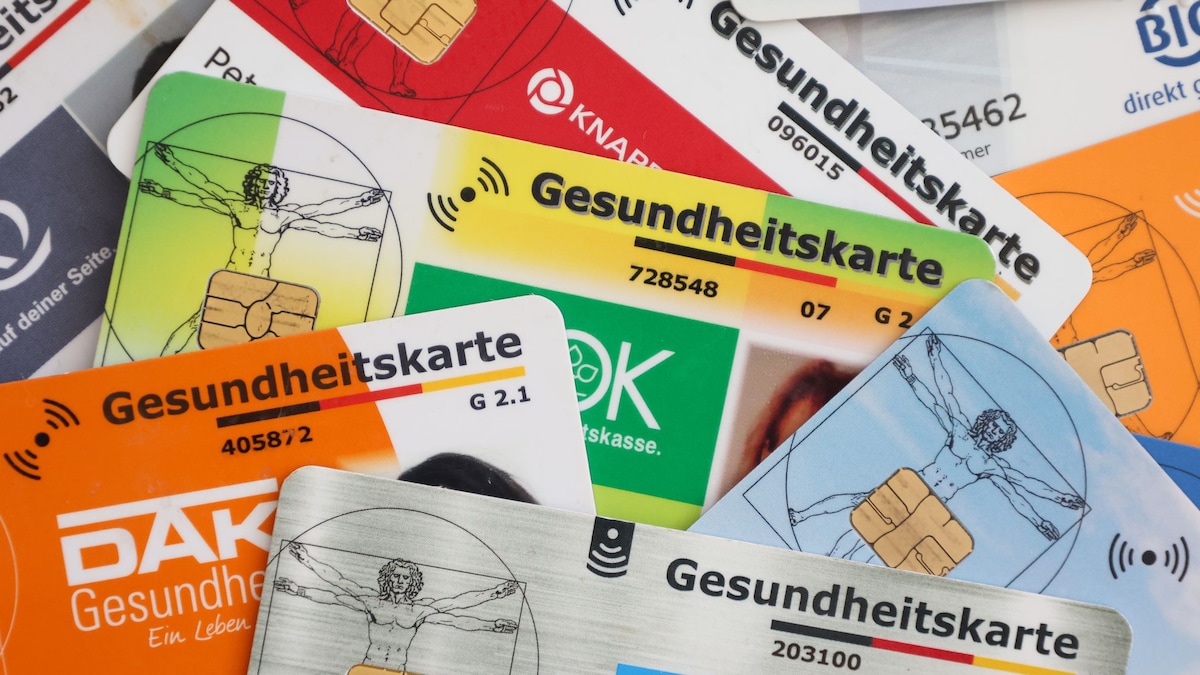
Health Insurance Premiums on the Rise: What the 2026 Increases Mean for You
If you're enrolled in Germany's public health insurance system (Gesetzliche Krankenversicherung - GKV), prepare for higher costs in the new year. The promise of stable additional contributions has collided with reality. As Jens Baas, CEO of Techniker Krankenkasse, noted, the average additional contribution has already surpassed the 3% mark. This trend signifies a broader financial pressure within the system, directly impacting the wallets of millions of insured individuals. Out of 92 statutory health insurers, a staggering 44 have announced increases to their additional contribution for 2026.
Understanding the Cost Structure: The Additional Contribution
Your total GKV premium consists of a base contribution (14.6% of gross income, split evenly between you and your employer) plus an additional contribution (Zusatzbeitrag). This extra percentage is set individually by each health fund and paid solely by the employee. It's this rate that is seeing widespread hikes, making your choice of insurer more critical than ever for your monthly budget.
The 2026 Landscape: Widespread Increases and Rare Discounts
The data paints a clear picture: cost containment is a significant challenge. While 46 funds are keeping their additional contribution formally unchanged, many had already raised rates within the previous year. True relief is exceptionally rare.
- 44 Funds are increasing their additional contribution.
- Only 2 Funds are lowering their rate.
- 1 Fund charges exactly the benchmark 2.9%.
- 71 Funds charge more than 2.9%, with the highest reaching 4.39%.
The gap between the most and least expensive funds now exceeds 2 percentage points. For a person with a gross monthly income of €4,000, this translates to a difference of over €80 per month or nearly €1,000 per year simply based on their insurer choice.
Spotlight on the Biggest Changes
Some insurers are implementing particularly sharp increases, which can create significant financial shock for their members. Notable examples for 2026 include:
| Health Fund (Krankenkasse) | 2025 Additional Contribution | 2026 Additional Contribution | Increase (Percentage Points) |
|---|---|---|---|
| BKK EWE | 1.98% | 3.19% | +1.21 |
| BKK exklusiv* | 2.39% | 3.49% | +1.10 |
| energie-BKK | 2.98% | 3.98% | +1.00 |
*Regional fund for several states.
Navigating the Market: Most Expensive vs. Most Affordable Funds
Knowing the extremes of the market can help you benchmark your current plan.
Among the Most Expensive Funds (Highest Additional Contributions):
- BKK24: 4.39% (nationwide)
- BKK Herkules: 4.38% (regional)
- IKK Brandenburg and Berlin: 4.35% (regional)
Among the Most Affordable Funds (Lowest Additional Contributions):
- BKK firmus: 2.18% (nationwide)
- TUI BKK, hkk, Audi BKK, Techniker Krankenkasse: All below 2.7%
- Several regional AOKs and BKKs (e.g., AOK Rheinland-Pfalz/Saarland at 2.47%)
Your Action Plan: How to Respond to Rising Premiums
You are not locked into a fund that raises its rates. German law allows you to switch your public health insurer with just two months' notice. Here is your strategic action plan:
- Review Your 2026 Renewal Notice: Check the new additional contribution rate from your current fund. Calculate the exact monthly and annual increase based on your gross income.
- Conduct a Thorough Comparison: Don't just look at the premium. Use official comparison portals (like those from the German government) to evaluate funds based on:
- Additional Contribution Rate: The primary cost driver.
- Service & Benefits: Coverage for alternative medicine, dental cleanings, travel vaccinations, etc.
- Bonus Programs: Many funds offer cash-back or bonus points for preventive check-ups.
- Customer Service Ratings: Look for reviews on processing speed and support quality.
- Consider a Switch Before the Deadline: If you find a better-value fund, submit your switch notification promptly. The new insurer will handle most of the paperwork with your old fund.
- Look Beyond the Premium (Cautiously): A slightly higher premium might be justified by far superior benefits you will actually use. However, a difference of 0.5% or more in the contribution rate is often hard to offset with bonuses alone.
Analogy for US Readers: Comparing GKV to US Health Insurance
Think of Germany's GKV system as a form of regulated, non-profit health insurance with income-based premiums. The additional contribution (Zusatzbeitrag) is analogous to the monthly premium you pay for a specific plan within the US Affordable Care Act (ACA) marketplace or an employer's menu of options. Just as you would shop between Blue Cross Blue Shield, Kaiser Permanente, or UnitedHealthcare plans based on premium, deductible, and network, Germans can shop between different Krankenkassen for the best combination of mandatory coverage, additional benefits, and cost.
Conclusion: Proactivity is Key to Savings
The year 2026 confirms that annual premium increases in the public health system are becoming the norm, not the exception. While the system's core benefits remain universal, the cost to you is not. By taking a proactive, annual review of your health fund—comparing both price and performance—you can ensure you are not overpaying for your mandatory coverage. In a year where 44 funds are getting more expensive and only two are getting cheaper, informed action is your best financial defense.