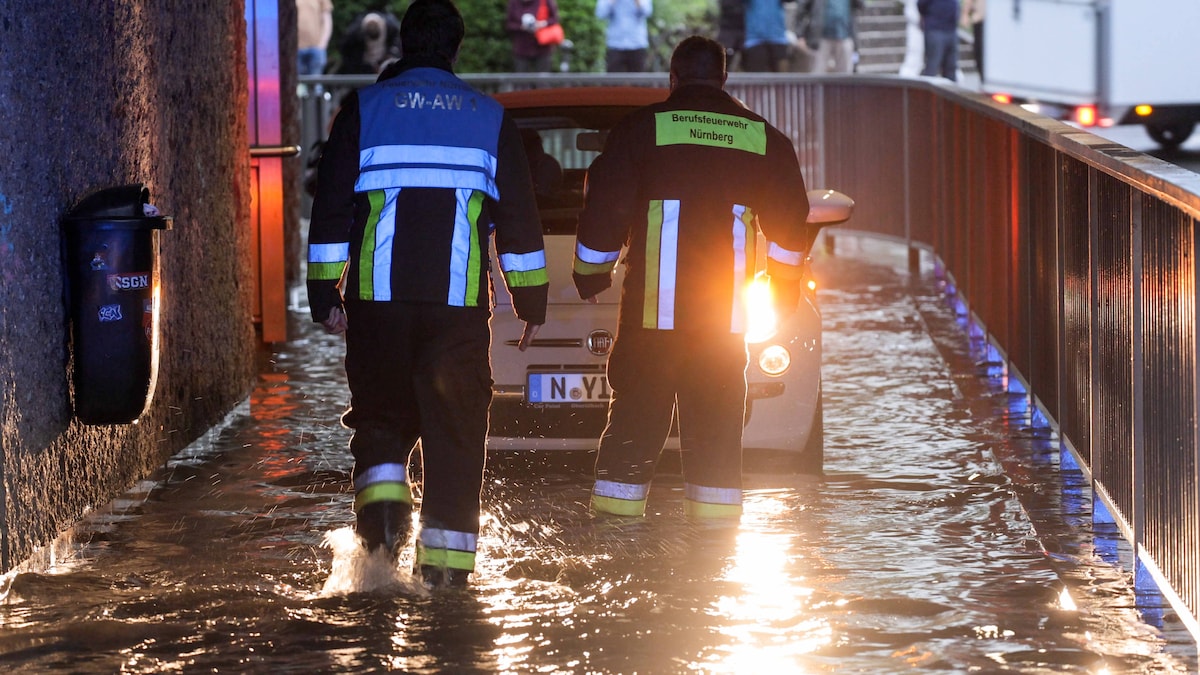
Severe Weather Insurance Shock: Why Your Home Policy Likely Doesn't Cover Floods
As climate change increases the frequency of extreme weather, a dangerous protection gap is emerging. According to the German Insurance Association (GDV), approximately 50% of homeowners lack insurance coverage for damage caused by heavy rain (Starkregen) and flooding. Many renters are similarly exposed. The critical misunderstanding? Standard homeowners insurance (Wohngebäudeversicherung) and contents insurance (Hausratversicherung) do not cover these perils. For context, this is similar to the US, where standard homeowners policies exclude flood damage, requiring a separate policy from the National Flood Insurance Program (NFIP). This guide explains the coverage gap, how to assess your risk, and the steps to secure affordable protection before the next storm hits.
The Critical Coverage Gap: What Standard Policies Exclude
Standard home and contents insurance policies only cover water damage from inside your home, such as a burst pipe (Leitungswasserschaden). They explicitly exclude water that comes from outside, including:
- Overland flooding from rivers, lakes, or canals.
- Flash floods caused by heavy rainfall overwhelming drainage systems.
- Groundwater seepage after prolonged rain.
- Sewer backup due to overwhelmed public sewers (often requires an additional rider).
The Essential Add-On: To be covered for these events, you must purchase a separate natural hazard insurance (Elementarschadenversicherung) as an endorsement to your existing home or contents policy.
Are You at Risk? How to Check Your Property's Vulnerability
Don't assume you're safe if you don't live near a river. Flash floods from heavy rain can occur anywhere, including urban areas and hillsides. Use these tools to assess your risk:
- GDV Natural Hazards Check (Naturgefahren-Check): This free online tool (available in German) allows you to enter your address and receive a detailed risk assessment for flooding, heavy rain, and other natural hazards. It provides historical damage data and a specific risk classification.
- Review Your Policy Documents: Check the fine print of your current insurance contracts. Look for the section on Elementarschäden. If it's not mentioned, you are not covered.
- Contact Your Insurer Directly: If unsure, call your insurance provider or broker and ask explicitly: "Am I insured for damage from heavy rain and flooding?"
Good News: Coverage is Becoming More Accessible and Affordable
A major barrier in the past was cost, especially for properties in the highest-risk zone (Gefährdungsklasse 4). Thanks to more precise, digitized risk mapping, the landscape has improved significantly.
| Change | Past Situation | Current Improvement |
|---|---|---|
| High-Risk Zone 4 Areas | ~10% of German land area was classified as highest risk (circa 2002), making coverage prohibitively expensive or unavailable. | Only ~0.4% of land area now falls into Zone 4. Millions of properties have been reclassified into lower, more insurable risk categories. |
| Pricing & Availability | Many homeowners in perceived risk areas were effectively priced out. | If you were quoted a high price years ago, request a new quote. Your premium may now be surprisingly affordable. |
Action Step: If you previously avoided this coverage due to cost, it is crucial to re-evaluate. The risk has increased, but for many, the price of protection has decreased.
Special Advice for Renters and Homeowners
- For Renters: Your landlord's building insurance does not protect your personal belongings. You need a contents insurance policy (Hausratversicherung) with a natural hazards add-on. If you store valuables in a basement, note that coverage often requires items to be stored at least 12 centimeters above the floor.
- For Homeowners: You need the add-on for both the structure (Wohngebäude) and, separately, for your personal contents (Hausrat). Protect your largest financial asset.
The Future Outlook: Rising Premiums and the Need for Prevention
Insurance industry leaders warn that without significant investment in climate adaptation and preventive land-use planning, average premiums for building insurance could double within the next decade due to climate-related damages. Key demands from insurers include:
- Stricter building codes and land-use planning to avoid construction in high-risk flood plains.
- Public investment in flood defenses and improved drainage infrastructure.
- A state-backed mechanism to cover "extreme loss events" that exceed the insurance industry's capacity.
This underscores that insurance is a financial backstop, not a substitute for prevention. Homeowners should also take practical steps like installing backflow valves, using water-resistant materials in basements, and having an emergency plan.
Your Action Plan: Protect Yourself Now
- Check Your Risk: Use the GDV Naturgefahren-Check tool.
- Review Your Policies: Determine if you have the Elementarschaden add-on.
- Get a Quote: Contact your insurer or use a comparison portal to get a price for adding this coverage. It is often less expensive than assumed.
- Consider the Value: Weigh the annual premium against the potential cost of repairing a flooded basement or ground floor, which can easily reach tens of thousands of euros.
- Implement Practical Protections: Take simple preventive measures around your home to minimize potential damage.
Conclusion: Don't Wait for the Next Warning
The increasing frequency of severe weather events is a documented trend, not a hypothetical future. The insurance gap for heavy rain and flood damage represents one of the most significant financial risks for German households. Assuming you are covered by a standard policy is a costly mistake. By taking a few hours to assess your risk, understand your current coverage, and secure an affordable natural hazard insurance add-on, you can transform a potential financial catastrophe into a manageable, insured event. The time to act is now—before the skies darken and the next downpour begins.