Mandatory Flood Insurance: What Homeowners Need to Know About Costs and Coverage
In the wake of devastating floods, the call for mandatory natural disaster insurance is growing louder across Germany. For homeowners, this could translate into a significant new annual expense, with premiums potentially reaching four figures or more depending on your property's risk level. This guide breaks down the ongoing debate, explains how a mandatory system might work, and provides crucial information to help you understand the potential costs and implications for your home and finances. We'll also draw comparisons to established systems like the US National Flood Insurance Program (NFIP), helping you navigate this complex and critical aspect of property ownership.
The Push for Mandatory Coverage: Why Politicians and Economists Agree
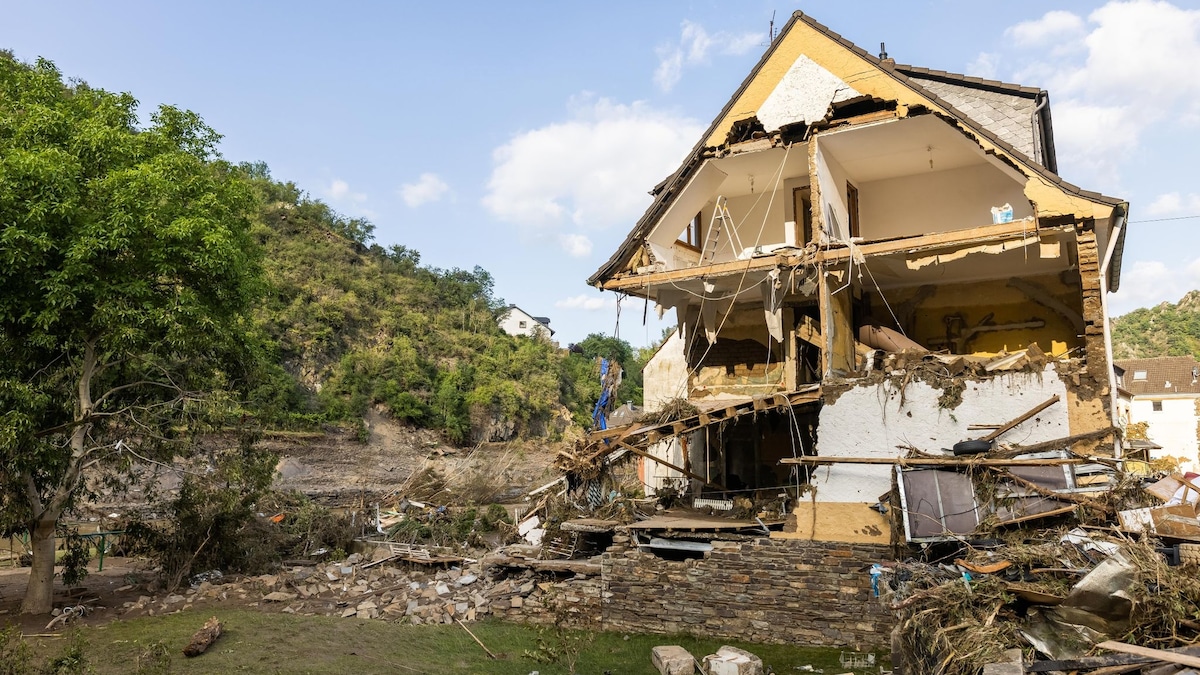
The catastrophic floods in the summer of 2021 exposed a critical vulnerability: only about 46% of German buildings have comprehensive natural hazard insurance (Elementarschadenversicherung). This leaves a massive protection gap. When uninsured homeowners suffer losses, the pressure mounts for state-funded disaster relief, effectively socializing the cost among all taxpayers.
Prominent economists like Monika Schnitzer, a member of the German Council of Economic Experts, argue that mandatory insurance creates a fairer, more sustainable system. "If we want such cases to be covered by insurance, we must ensure that everyone is insured so that the state does not have to step in at the end," she states, calling the approach "solidaristic." The core idea is to move from ad-hoc disaster aid to a structured, pre-funded risk pool.
Understanding the Potential Cost Structure
If a mandatory system is implemented, premiums will not be one-size-fits-all. They will be risk-based, meaning your location will be the primary cost driver. Here’s what you can expect:
| Risk Zone (Example) | Potential Premium Impact | Likely Deductible (Selbstbeteiligung) |
|---|---|---|
| Low-Risk Area (e.g., high ground, no history of flooding) | Moderate, potentially manageable increase bundled with existing building insurance. | Standard deductible (e.g., €500 - €1,000). |
| Medium-Risk Area (e.g., near a small waterway) | Significantly higher premiums, potentially adding hundreds of euros per year. | Higher deductible to encourage mitigation. |
| High-Risk Area (e.g., floodplain, known danger zone) | Very high, potentially four-figure annual premiums. Could become a major housing cost. | Very high deductible (potentially five figures) to strongly discourage building in these zones. |
Experts like Clemens Fuest, President of the ifo Institute, advocate for high deductibles in risk zones to maintain "incentives against building in highly flood-prone areas." This model is similar to the US NFIP, where premiums are based on Flood Insurance Rate Maps (FIRMs), and building in high-risk zones carries steep costs.
Key Arguments in the Debate: Pros and Cons
| Argument For Mandatory Insurance | Argument Against Mandatory Insurance |
|---|---|
| Collective Security: Creates a broad risk pool, stabilizing the system and preventing insurer bankruptcies after major events. | Infringement on Freedom: Compelling citizens to purchase a private product is seen by some as a significant overreach by the state. |
| Reduces Taxpayer Burden: Shifts the financial responsibility from the general public (via disaster relief) to the property owners who choose to live in risk-prone areas. | Unaffordable Premiums: For those already living in high-risk zones, mandatory premiums could become financially crippling, exacerbating housing cost crises. |
| Encourages Risk-Aware Planning: Risk-based premiums send a clear market signal, discouraging new construction in dangerous areas and incentivizing protective measures (e.g., flood barriers, sealed basements). | Incomplete Solution: Insurers and climate scientists stress that insurance alone is not enough. Parallel investments in public infrastructure (e.g., renaturalizing rivers, improving drainage) are essential for true prevention. |
| Clarity & Guaranteed Coverage: Provides certainty that losses will be covered, unlike unpredictable government aid packages. | Historical Precedent: Baden-Württemberg had a mandatory system until 1993 and abolished it. A return to compulsion faces political and legal hurdles. |
What Homeowners and Renters Should Do Now
While the political debate continues, taking proactive steps is your best defense:
- Check Your Current Policy: Most standard German home insurance (Wohngebäudeversicherung) covers only fire, lightning, and storm/hail. Natural hazard coverage (Elementarschaden) is usually an optional add-on. Review your policy documents immediately.
- Assess Your Property's Risk: Use online tools like the Hochwasser-Pass or consult zoning maps from your local building authority (Bauamt) to understand your flood, heavy rain, and subsidence risk.
- Get a Quote: Even if it's not mandatory yet, contact your insurer for a quote to add natural hazard coverage. Knowing the potential cost now helps you plan financially.
- Invest in Prevention: Reduce your risk and potentially lower future premiums by installing backflow valves for sewage, using water-resistant building materials in basements, and ensuring proper drainage around your property.
- For Renters: Your contents insurance (Hausratversicherung) also needs a natural hazard add-on to cover belongings. Landlords' building insurance does not protect your personal possessions.
The Bigger Picture: Insurance as Part of Climate Adaptation
As Ernst Rauch, Chief Climate Scientist at Munich Re, emphasizes, insurance is just one piece of the puzzle. A resilient society requires a triad of measures:
- Adaptation: Upgrading public infrastructure (dams, canals, green spaces for water absorption).
- Prevention: Enforcing smarter zoning laws that prohibit new construction in high-risk areas.
- Financial Protection: A well-designed insurance system that provides a reliable safety net.
Whether a mandatory system arrives or not, the trend is clear: the financial risk of climate-related damage is shifting increasingly towards individual property owners. Securing coverage is no longer just about peace of mind—it's becoming a fundamental component of responsible home ownership in the 21st century.
Don't wait for a law to force your hand. The next major storm won't wait either. Take an hour this week to review your insurance policies, understand your property's specific risks, and make an informed decision to protect your largest investment.