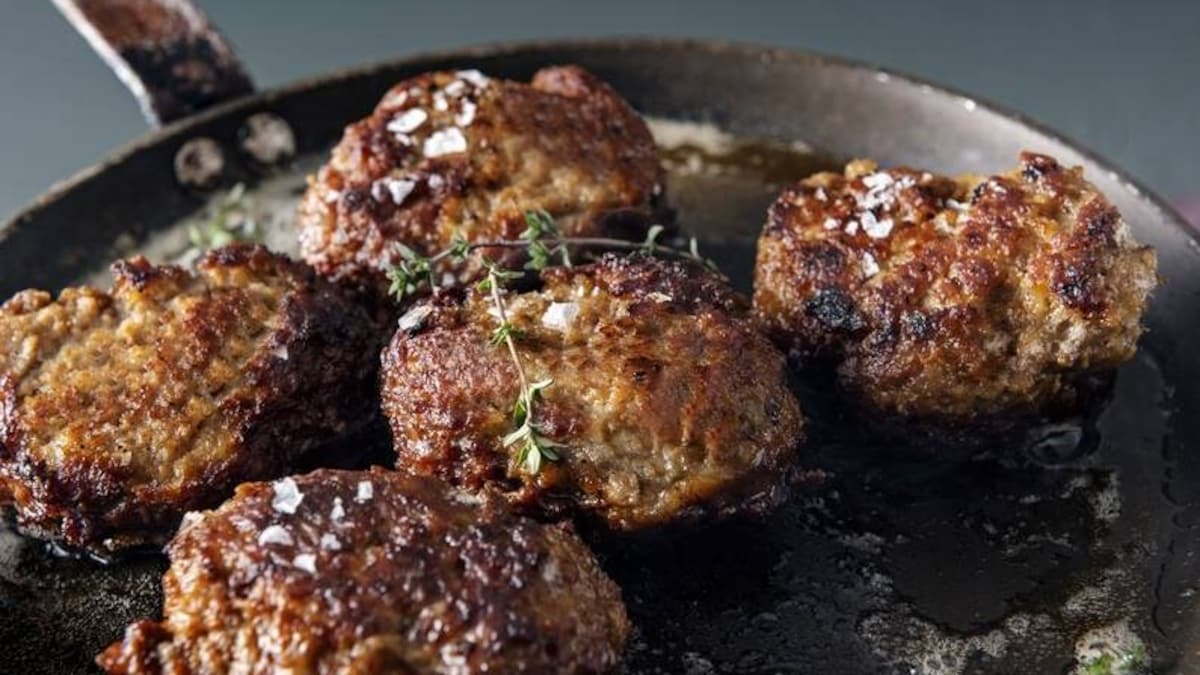
The One Simple Trick for Perfect Frikadellen: Crispy Outside, Juicy Inside Every Time
Whether you call them Frikadellen, Buletten, Fleischpflanzerl, or Hackküchle, the goal is the same: a golden-brown, crispy exterior giving way to a flavorful, juicy interior. Yet, many home cooks face the same frustrating problems—meatballs that fall apart in the pan or turn out dry and dense. The solution isn't a complex ingredient; it's one simple, often overlooked preparation step. This guide will reveal that trick and help you master this beloved German comfort food, ensuring perfect results every time you cook.
The Foundation: A Classic Frikadelle Recipe
Before the trick, you need a good base. The classic German meatball relies on a few staple ingredients, with room for personal touches.
Basic Ingredients (for about 4-6 Frikadellen):
- 500g mixed ground meat (typically half pork, half beef)
- 1 small onion, finely diced
- 1-2 old bread rolls (Brötchen), soaked in water or milk and squeezed dry
- 1 large egg
- Salt and freshly ground black pepper to taste
- Optional: 1 tsp mustard, chopped parsley, paprika
Basic Method: Combine all ingredients in a bowl. Mix gently with your hands until just combined—overmixing leads to tough meatballs. Moisten your hands with water to prevent sticking, then shape the mixture into evenly sized patties or balls.
The Golden Trick: The Breadcrumb Coating
Here is the transformative step that makes all the difference for texture. After shaping your Frikadellen, roll them lightly in plain, dry breadcrumbs (Paniermehl).
Why This Works:
- Creates a Protective Barrier: The thin layer of breadcrumbs forms a shield that seals in the meat's natural juices during frying, preventing them from evaporating and leaving you with a dry interior.
- Promotes Even Browning & Crispiness: The breadcrumbs absorb a small amount of fat and crisp up beautifully in the hot pan, creating that irresistible golden, crunchy crust.
- Helps Maintain Structure: The coating helps bind the outer surface, reducing the chance of the Frikadelle cracking or falling apart when you flip it.
How to Do It: Place about half a cup of plain breadcrumbs on a plate. Gently roll each shaped meatball in the crumbs, pressing lightly so they adhere on all sides. Shake off any excess before cooking.
Cooking for Perfection: The Pan-Frying Method
The coating needs the right cooking technique to shine.
- Use the Right Pan & Fat: Use a heavy-bottomed skillet or non-stick pan. Heat a generous tablespoon of a high-smoke-point oil (like sunflower or canola) or butter over medium-high heat.
- Don't Crowd the Pan: Leave space between each Frikadelle. Crowding steams them instead of frying, making them soggy.
- Fry with Patience: Place the coated meatballs in the hot oil. Fry for 3-4 minutes per side without moving them, until a deep golden-brown crust forms. Resist the urge to press down with your spatula—this squeezes out the precious juices!
- Check for Doneness: The internal temperature should reach 71°C (160°F). They should feel firm to the touch.
A Guide to Regional German Meatball Varieties
While the crispy trick applies universally, names and slight variations differ across Germany and Europe. Here’s a quick guide:
| Name | Region | Key Characteristics |
|---|---|---|
| Frikadelle | Widespread in Germany | The most common term. Often a flatter, pan-fried patty. Believed to have French origins. |
| Bulette (Boulette) | Northern Germany (esp. Berlin) | Typically a rounder ball. The name comes from the French for "little ball." |
| Fleischpflanzerl | Bavaria & Southern Germany | Usually flatter and wider than a Frikadelle. A staple of Bavarian cuisine. |
| Hackküchle | Swabia | Similar to Fleischpflanzerl, a pan-fried minced meat patty. |
| Köttbullar | Sweden | Smaller, baked or pan-fried balls, famously served at IKEA. Often include spices like allspice and are served with cream sauce, lingonberry jam, and potatoes. |
Serving Suggestions & Pro Tips
- Serve Immediately: Frikadellen are best served hot and fresh from the pan when the crust is at its crispiest.
- Classic Sides: Serve with creamy mashed potatoes (Kartoffelpüree) and a simple brown gravy, or with potato salad and a cucumber salad (Gurkensalat).
- As a Snack: Enjoy cold in a bread roll (Brötchen) with mustard—a classic German lunch.
- Pro Tip for Juiciness: Ensure your meat mixture isn't too lean. A mix of pork and beef (or adding a little grated zucchini to lean meat) helps maintain moisture.
By mastering the simple breadcrumb coating and proper pan-frying technique, you'll elevate your Frikadellen from ordinary to extraordinary. It's a small step with a massive payoff, guaranteeing that satisfying contrast of a crispy shell and a tender, juicy center that makes this dish a perennial favorite.