Facing a Premium Shock: Readers Demand Fairness and Efficiency in Health Insurance Reform
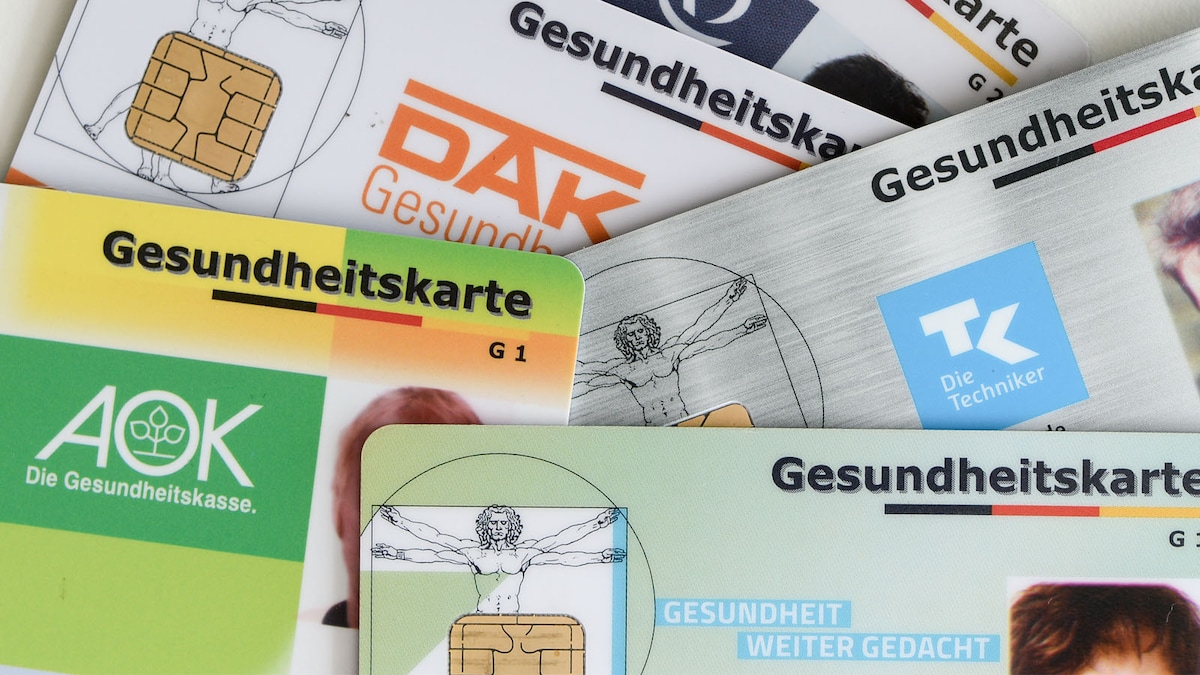
You open your paycheck or bank statement and see it again: another increase in your health insurance contribution. This scenario is becoming a reality for millions in Germany as the statutory health insurance system (Gesetzliche Krankenversicherung, GKV) grapples with a financial crisis. The announcement of premium hikes and a new reform commission has sparked a fierce public debate. Readers are voicing deep frustration, questioning the system's fairness, and demanding concrete solutions beyond simply asking contributors to pay more. Let's dive into the key issues driving this discontent and what it reveals about the future of health insurance in Germany.
The Primary Grievance: The Burden of Non-Payers
The most prominent criticism (33% of comments) centers on the perceived injustice of providing healthcare to individuals who are seen as not having contributed to the system. Readers frequently mention migrants, refugees, and recipients of basic social security (Bürgergeld) as groups straining the solidarity-based model without adequate financial input from the state.
- "The demographic change is not the problem! The servicing of all possible non-payers is."
- "If 3 men/women pay in and 9 have to be cared for, the coffers will be empty at some point. But our guests are being lavishly cared for."
- "Has anyone perhaps ever thought of looking at the expenditure side and checking who is entitled to receive benefits from this social pot? Or is the whole world allowed to get free treatment services here?"
Administrative Bloat: Too Many Funds, Too Much Waste
Many readers identify the complex and costly structure of the insurance system itself as a core problem. They call for a drastic reduction in the number of statutory health funds, fewer highly-paid board members, and slashed administrative expenses. The multitude of funds, each with offices and marketing budgets, is seen as a waste of contributors' money.
- "In Luxembourg, for example, there is only one statutory health insurance fund, and care runs great. Maybe we should take a look at our neighbor...."
- "We have too many health insurance companies and each has a huge administrative overhead and a lot of expensive office buildings. Reduce everything to a minimum! You can save a lot of money here too."
- "Why do we need over 90 statutory health insurance funds with buildings? Why over 90 highly paid boards with company cars and chauffeurs? Why do these boards need expensive consultants?"
Political Skepticism: Commissions as a Substitute for Action?
A significant portion (13%) of readers express deep skepticism towards political reform efforts. They criticize lengthy processes, a lack of decisive action, and see commissions as alibi exercises unlikely to yield tangible results. The government's ability to solve the crisis is repeatedly questioned.
- "Who doesn't know what to do next, forms a committee. Instead of institutional perplexity, I would wish for a few experts with maker qualities at the head of our ministries."
- "I bet the new Federal Minister of Health will not solve the problems. Germany is no longer capable of acting."
- "It will first be a ten-member commission that is supposed to make suggestions in 2027??? What does Ms. Warken do all day?"
The Fairness Deficit: Who Really Bears the Cost?
Readers (10%) highlight what they see as an unfair financing model. Statutorily insured individuals feel doubly burdened by contributions and taxes, while privately insured individuals, civil servants, and politicians are perceived as bearing less of the load. The demand is for more equitable burden-sharing.
- "Why do only those with statutory insurance pay for basic income recipients and immigrants? Why are civil servants and those with private insurance exempt from this?"
- "Statutorily insured persons are 100% involved in the immense costs [of the hospital reform], privately insured, civil servants and members of parliament only 50%... Another impertinence to exploit workers and employees."
Debating the Real Cost Drivers: Demography vs. System Design
While officials often cite the aging population (demographic change) as the primary cost driver, many readers (9%) strongly reject this. They argue that migration and non-payers are the main issues, alongside systemic inefficiencies like unnecessary procedures and drug prices.
- "No, it is not the always-mentioned demography and the pensioners who get older and sick more often. It is the millions of refugees who receive top-class care."
- "It's pretty brazen how the so-called boomers are held responsible for everything. But we know by now which clientele, without ever having paid in, burdens the social funds."
- "We have the highest prices for medicines in Europe... Many unnecessary OPs are performed."
An American Perspective: GKV Challenges vs. US Healthcare Financing
For American readers, this debate has familiar echoes. Germany's GKV is a mandatory, income-based system often compared to a broader, more unified version of Medicare for the working population. The complaints about "non-payers" mirror debates in the US about the cost of covering the uninsured or under-insured through emergency rooms, which shifts costs to those with private insurance. The criticism of administrative waste parallels concerns about the high overhead of some US private insurers. The German search for a fairer model reflects the same core tension found in US healthcare reform discussions: how to balance universal access, cost control, and perceived fairness in who pays.
Reader Sentiment: A System Under Pressure and in Need of Trust
The discussion paints a picture of a public losing patience with a system they feel is both inefficient and unfair. The calls for reform are clear, but trust in the political process to deliver is low.
| Core Reader Complaint | Proposed Solution | Underlying Principle |
|---|---|---|
| Non-payers straining solidarity | Stricter eligibility, higher state subsidies for covered groups. | Contributive Justice |
| Administrative waste & too many funds | Drastic consolidation of health insurance companies. | Efficiency & Cost-Control |
| Unfair burden on statutory insured | Broader risk-pooling (e.g., including civil servants), fairer tax funding. | Equitable Financing |
| Political inaction | Decisive leadership, transparent reforms, not just committees. | Effective Governance |
What's your view on the health insurance premium shock? Are the readers' criticisms valid? Is the solution stricter cost-control, a fundamental restructuring of financing, or both? The stability of Germany's healthcare system depends on finding answers that restore both financial balance and public trust.