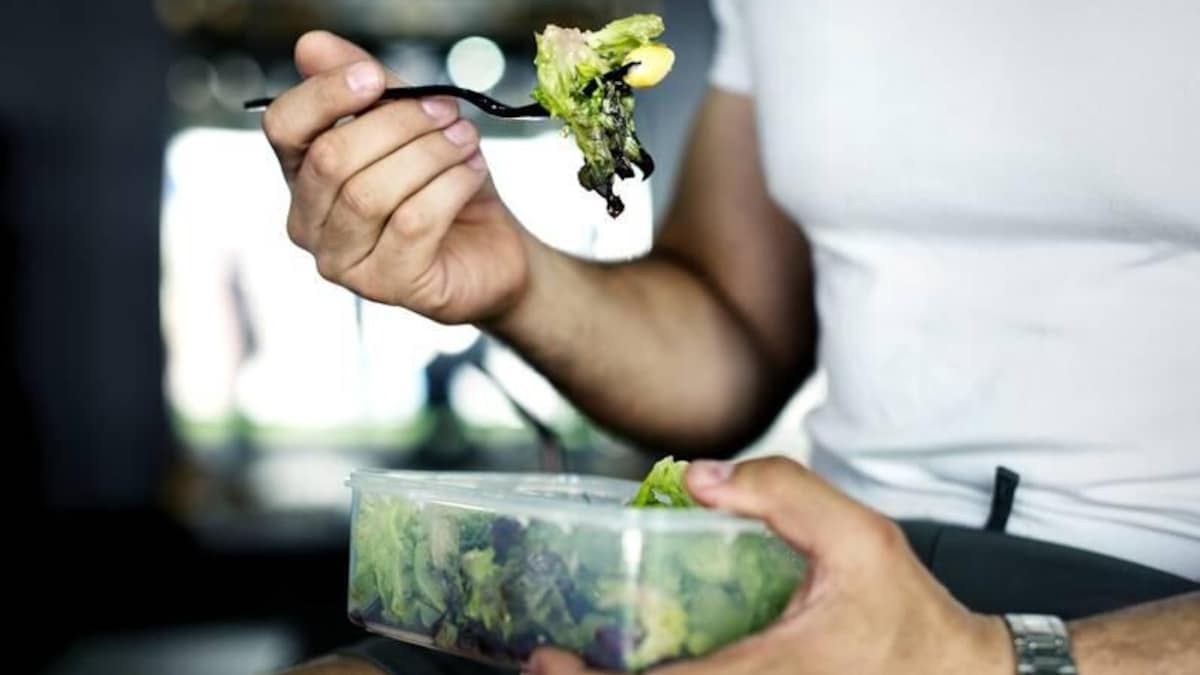
Hara Hachi Bu: The Japanese 80% Rule to Stop Overeating
Do you often finish a meal feeling uncomfortably full? You're not alone. In the search for a healthier lifestyle, the ancient Japanese principle of Hara Hachi Bu (also called Hara Hachi Bun Me) offers a powerful, simple solution. Originating from Okinawa—a region known for the longevity of its inhabitants—this practice translates to "eat until you are 80% full." It's a form of mindful, moderate caloric restriction that emphasizes stopping *before* you feel stuffed. Think of it as the dietary equivalent of choosing a high-value health insurance plan: it's a proactive, preventative strategy for long-term wellness, whether you're navigating German private (PKV) and public (GKV) options or comparing U.S. private insurance to Medicare.
What is Hara Hachi Bu? A Practical Guide
Hara Hachi Bu isn't a strict diet; it's a mindful eating philosophy. The goal is to cultivate an awareness of your body's satiety signals. A practical example: You're enjoying a meal and reach a point where you feel pleasantly satisfied, yet you *could* eat a few more bites. Instead of continuing, you consciously put down your utensils. You stop at 80% fullness, avoiding the 100% "stuffed" feeling that leads to sluggishness and excess calorie intake.
As explained by nutrition scientist Uwe Knop, this practice aligns closely with the principles of intuitive eating—listening to your body's genuine hunger and fullness cues. Both approaches require a foundation of physical and mental health to be most effective.
The Science and Benefits Behind Eating to 80% Full
While direct causal evidence for the "80% rule" is challenging to isolate scientifically, the core mechanisms are well-supported:
- Moderate Caloric Restriction: Consistently consuming slightly fewer calories than your body expends is linked to longevity, improved metabolic health, and weight management.
- Enhanced Mindful Eating: Slowing down and paying attention helps you recognize true satiety, reducing mindless overeating.
- Improved Digestion: Stopping before you're overly full gives your digestive system room to work efficiently, reducing bloating and discomfort.
This approach is a pragmatic, culturally-rooted method to apply these universal health principles. It's like opting for a health insurance plan with strong preventative care coverage: it doesn't just address problems reactively but builds a foundation for sustained health.
Hara Hachi Bu vs. Typical Eating: A Mindful Comparison
| Aspect | Typical "Full" Eating | Hara Hachi Bu (80% Full) | Health & Wellness Analogy |
|---|---|---|---|
| Endpoint | Eating until you can't eat more; 100% full. | Stopping when satisfied but not stuffed; 80% full. | Like having maximum insurance coverage vs. a plan with a sensible co-pay that prevents overuse. |
| Physical Feeling | Bloated, heavy, sluggish. | Light, energized, comfortable. | Similar to the difference between feeling burdened by high premiums vs. having affordable, adequate coverage. |
| Mental Approach | Often automatic, distracted. | Mindful, intentional, aware. | Like passively accepting a default insurance plan vs. actively choosing one that aligns with your needs (PKV vs. GKV / Private vs. Medicare). |
| Long-Term Goal | Immediate satisfaction. | Sustainable health, weight balance, longevity. | Focuses on preventative wellness, much like a plan that rewards healthy habits. |
How to Practice Hara Hachi Bu in Your Daily Life
Integrating this principle is simpler than you think. Follow these steps to get started:
- Eat Slowly: It takes about 20 minutes for your brain to register fullness. Put your fork down between bites, chew thoroughly, and savor your food.
- Listen to Your Body: Halfway through your meal, pause. Ask yourself, "Am I still hungry, or am I eating out of habit?" Tune into the sensation of diminishing hunger.
- Serve Smaller Portions: Use a smaller plate. Visually, it looks full, which can psychologically enhance satisfaction with less food.
- Stop at the "Could" Moment: When you feel you *could* eat a little more but don't *need* to, that's your 80% signal. This is the perfect time to stop.
- Hydrate: Drink water before and during your meal. Sometimes thirst is mistaken for hunger.
Combining Hara Hachi Bu with Intuitive and Ethical Eating
For a truly holistic approach, Uwe Knop suggests combining this intuitive practice with your personal ethics—a concept he calls "Ethuition." This means:
- Eating only when you feel genuine physical hunger.
- Choosing foods you truly enjoy and that make you feel good.
- Stopping when you are satisfied.
- Considering the ethical and environmental impact of your food choices where possible.
This powerful combination supports not just physical health but also mental and emotional well-being, ensuring you are nourished in every sense. It's the comprehensive coverage plan for your dietary life.
Why This Matters for Long-Term Health and Weight Management
Adopting Hara Hachi Bu is a sustainable strategy, not a quick fix. By preventing chronic overeating, you naturally create a mild caloric deficit, which is fundamental for maintaining a healthy weight. More importantly, it fosters a peaceful, attentive relationship with food, free from guilt and restriction.
Just as you would carefully select a health insurance plan that provides a safety net without unnecessary excess—be it a tailored private plan (PKV/U.S. Private) or the broad coverage of a public system (GKV/Medicare)—applying the 80% rule brings balance and intentionality to your nutrition. It's a timeless tool for cultivating health, one mindful meal at a time.