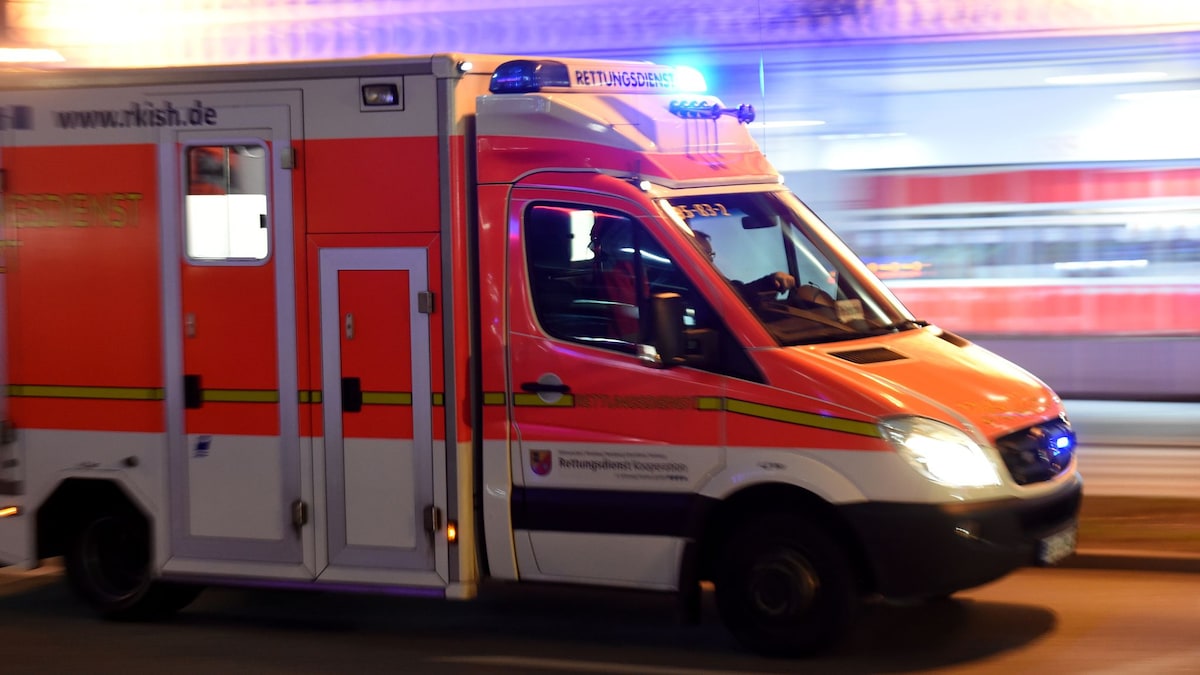
Emergency Call Shock: New Ambulance Fees Could Cost German Patients Hundreds of Euros
A looming financial dispute in Germany's healthcare system threatens to impose direct, significant costs on patients in emergencies. Starting as early as the new year, residents in the state of North Rhine-Westphalia (NRW) who call an ambulance (Notruf 112) could receive bills for hundreds of euros. The city of Essen has become the first to calculate specific patient charges: €267 for an emergency ambulance ride and €62 for non-emergency medical transport (e.g., to dialysis or chemotherapy), payable on top of what their health insurance covers.
This potential shift represents a significant change for those insured under Germany's public health system (Gesetzliche Krankenversicherung - GKV), where emergency care has historically been covered without substantial out-of-pocket fees. For context, this contrasts with systems like in the US, where ambulance fees are commonly billed directly to patients, often resulting in surprise medical bills.
The Core of the Dispute: Who Pays for "False Alarm" Ambulance Calls?
The crisis stems from a stalled funding negotiation between municipalities (who operate rescue services) and public health insurance funds (Krankenkassen). The central point of contention is payment for so-called "false alarm" or non-transport calls (Fehlfahrten).
- The Municipalities' Position: Up to 25% of ambulance dispatches result in no patient being transported to a hospital. The operators (cities and districts) currently receive no direct payment for these calls. They have historically spread these costs across all ambulance service invoices.
- The Health Insurers' Position: The public health funds argue that federal law only obligates them to pay for costs directly related to the treatment and transport of their insured members. They refuse to continue subsidizing the costs of calls that don't end in a transport, claiming they have no legal room to do so.
With negotiations deadlocked, municipalities see billing patients directly as their only remaining option to cover a projected annual shortfall of at least €250 million in NRW alone.
How the New Patient Billing Would Work: The Essen Example
The process outlined by Essen provides a clear model of what patients could face:
- The city sends a standard invoice (e.g., €1,020 for an emergency ambulance) to the patient's health insurance fund.
- The health fund, citing the dispute, pays only a partial amount, leaving a gap. Essen anticipates this gap to be €267 per emergency call.
- The city then issues a separate fee notice (Gebührenbescheid) directly to the patient for the outstanding €267.
This means patients, already in a stressful post-emergency situation, would receive a direct bill for a service they assumed was fully covered by their statutory insurance contributions.
Potential Consequences and Wider Concerns
The implications of this policy extend far beyond individual bills.
| Potential Risk | Explanation & Impact |
|---|---|
| Delayed Emergency Care | The most significant fear expressed by officials is that patients, worried about a large bill, will hesitate or avoid calling 112 in a genuine emergency, risking their health or life. |
| Financial Burden on Patients | A €267 fee is a substantial unexpected expense, particularly for low- and middle-income households. It creates a direct financial barrier to emergency services. |
| Systemic Instability | Shifting the funding dispute onto patients does not solve the underlying structural problem of rescue service financing and efficiency. |
| Inequity and Confusion | Rules may vary by municipality, creating a patchwork of charges across Germany and confusion about patient liability. |
"I view this solution very critically myself, but at the moment I have no other option than to pass this on to the citizens," said Essen's municipal councilor for public order, Christian Kromberg.
Calls for Reform and Political Action
All parties agree the current path is unsustainable.
- Municipalities are urgently calling on federal politicians to close the legal loopholes, as two previous attempts to reform emergency care (in 2019) have failed.
- The Health Insurers are demanding a structural reform of rescue services in NRW to create "significantly more efficient and leaner structures" that would also save costs.
- The State Government of NRW has stated it currently has no legal means to force the health funds to pay for false alarms.
What This Means for You as a Patient in Germany
While initially focused on North Rhine-Westphalia, this dispute highlights systemic pressures that could influence policies elsewhere. As a patient insured in the GKV system:
- Know Your Rights: In a genuine medical emergency, your health and safety must come first. Do not hesitate to call 112 if you or someone else needs urgent help.
- Stay Informed: Monitor announcements from your local municipality and health insurance fund regarding any changes to billing practices for rescue services.
- Understand the Context: This situation is a symptom of broader debates about healthcare funding, efficiency, and cost distribution in Germany's solidarity-based system.
The coming months will be critical in determining whether a political or negotiated solution can be found before patients are directly billed for emergency calls—a move that would mark a profound shift in the German social contract regarding healthcare.