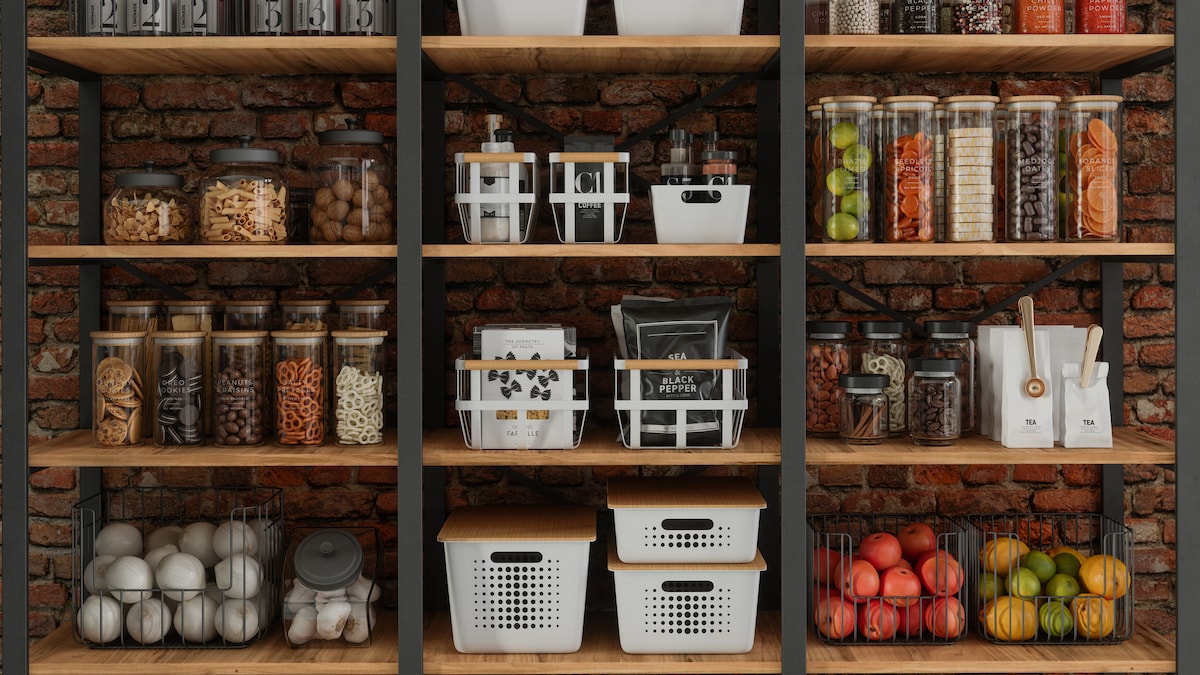
The Ultimate Guide to Building a Smart Emergency Food Supply
In an uncertain world, being prepared is not about fear—it's about practical wisdom. Just as you would review your health insurance coverage to ensure protection, creating a well-stocked emergency food supply is a fundamental step in safeguarding your family's well-being. Based on guidelines from disaster preparedness authorities and insights from nutrition scientist Uwe Knop, this guide will help you build a sensible, nutritious, and long-lasting food reserve for at least 10 days.
Why You Need an Emergency Food Supply
Natural disasters, power outages, or other disruptions can happen unexpectedly. A prepared pantry ensures you have access to safe food and water when stores are closed or supplies are limited. Think of it as the dietary equivalent of having a reliable Medicare or private insurance safety net—it provides essential coverage when you need it most.
The Core Principles of a Smart Food Stockpile
- Duration: Aim for a minimum 10-day supply for each person in your household.
- Water: Store at least 20 liters per person (14 liters for drinking, 6 liters for cooking/hygiene).
- Nutrition & Variety: Choose foods that provide balanced nutrition and that your family actually eats.
- No Special Cooking Needed: Prioritize foods that require no refrigeration and minimal preparation (especially if the power is out).
What to Stock: The Essential Emergency Food List
Focus on calorie-dense, non-perishable, and versatile staples. Here’s a categorized list:
| Food Category | Specific Items to Stockpile | Why It's Essential |
|---|---|---|
| Water & Fluids | Bottled water, water purification tablets, low-sugar electrolyte powders. | Hydration is the absolute top priority. The human body can only survive days without water. |
| Grains & Carbohydrates | Rice, pasta, oats, quinoa, whole-grain crackers, cereal. | Provides essential energy (calories) and is filling. Choose whole grains for better nutrition. |
| Protein Sources | Canned beans, lentils, chickpeas, tuna, salmon, chicken, peanut butter, nuts, seeds. | Crucial for maintaining muscle and strength. Canned proteins are ready-to-eat and long-lasting. |
| Fruits & Vegetables | Canned fruits (in juice), canned vegetables, applesauce, dried fruits, vegetable soups. | Provides vitamins, minerals, and fiber. Canned options have a shelf life of years. |
| Dairy & Alternatives | Shelf-stable milk (UHT), powdered milk, canned evaporated milk. | Source of calcium and vitamin D. Does not require refrigeration until opened. |
| Comfort & Cooking Essentials | Broth, honey, salt, pepper, spices, cooking oil, sugar, instant coffee/tea. | Makes meals palatable, provides morale boost, and are necessary for basic cooking. |
Foods to Avoid in Your Emergency Stockpile
- Highly Perishable Items: Fresh meat, dairy, bread (unless frozen for short-term).
- Foods Requiring Extensive Preparation: Anything that needs lots of water, fuel, or time to cook.
- Excessive Junk Food: Chips, candy. While some comfort food is okay, it shouldn't replace nutritious staples.
- Items You Don't Normally Eat: If you don't eat lentils in everyday life, a crisis is not the time to start. Stick to familiar foods.
Expert Storage & Rotation Tips from Uwe Knop
- Store Smart: Keep supplies in a cool, dark, and dry place like a basement or pantry. Heat and light degrade food quality.
- Check Packaging: Ensure all containers are sealed and undamaged.
- Use the FIFO Method: First In, First Out. Place new purchases at the back, older items at the front. This ensures rotation.
- Understand Dates: The Best Before Date is not an automatic throw-away date. Most canned and dry goods are safe to eat well beyond this date if stored properly.
- Consider Special Needs: Account for allergies, baby formula, pet food, and dietary requirements (diabetic, gluten-free).
Preparing for a Power Outage: Non-Electric Cooking
If the power fails, your electric stove is useless. Be prepared with:
- A camping stove or portable butane burner (use with extreme ventilation).
- A supply of fuel (propane, butane canisters).
- Manual can opener—don't forget this!
- Basic cooking utensils: pot, pan, cups, plates.
The Survival Priority List: What Your Body Needs Most
In an extreme situation where supplies run out, understanding your body's limits is critical:
- Water: Survival without water is measured in days. It is the #1 priority.
- Sleep: Complete sleep deprivation becomes dangerous after 24-48 hours and can be fatal.
- Food: A healthy adult can survive weeks without food by using fat and muscle reserves. While debilitating, it is the most survivable shortage in the short term.
Your Action Plan: Start Building Your Supply Today
- Audit: Check what you already have.
- Plan Meals: Write down a simple 10-day meal plan using stockpile items.
- Shop Gradually: Add a few extra shelf-stable items to your regular grocery trips.
- Store Water: Purchase bottled water or fill clean, food-grade containers.
- Review & Rotate: Set a calendar reminder every 6 months to check and refresh your supplies.
Building an emergency food supply is an act of responsibility, not alarmism. By following this expert guide, you can create a practical, nutritious reserve that brings peace of mind and real security—ensuring your family is nourished and resilient, no matter what comes your way.