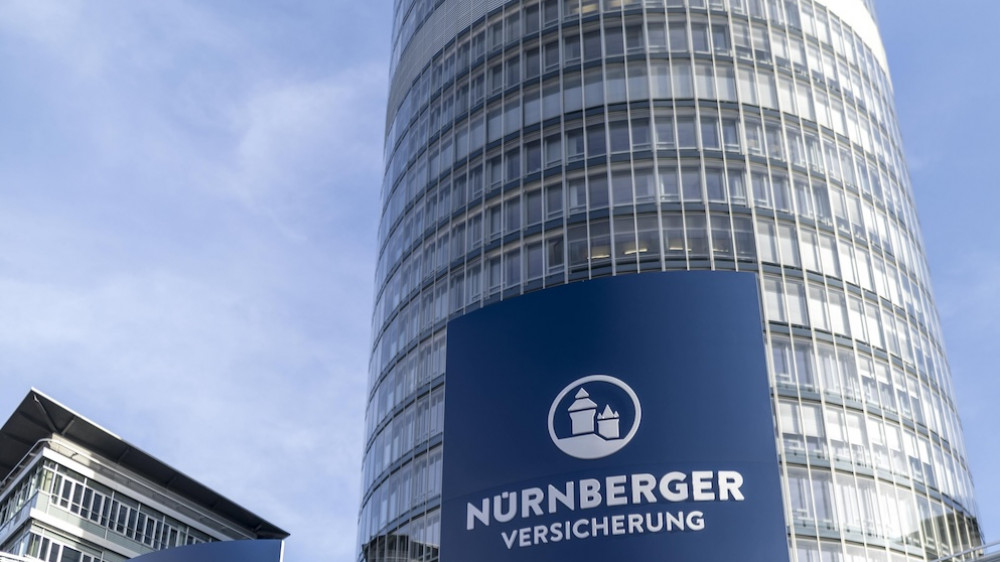
An Iconic Headquarters Empties Out: What Nürnberger Insurance's Move Tells Us About the Future of Work
Imagine a 135-meter skyscraper, a defining feature of a city's skyline, built to house thousands of employees. Now, picture that same tower largely empty, with its owner—a major insurance company—planning to move out and lease the space. This isn't a hypothetical scenario; it's the real-world strategic shift underway at Nürnberger Versicherung. The company has announced plans to vacate its iconic Business Tower headquarters in Nuremberg, a direct response to the permanent transformation of work patterns accelerated by the pandemic. For anyone interested in the future of corporate culture, operational efficiency, or even the stability of large financial institutions, this move is a powerful case study. It also raises questions about how such internal changes might indirectly influence customer service and the insurance products offered to you.
The Driving Force: Hybrid Work is Here to Stay
The decision is rooted in stark, data-driven reality. Despite having over 3,100 employees based at its Nuremberg headquarters, Nürnberger reports that only about 1,100 are physically present on any given day. This drastic reduction in daily office occupancy has rendered the massive, 4,500-desk capacity of the Business Tower obsolete. As CEO Harald Rosenberger stated, "We don't need the space there anymore and have created our new working environments in the adjacent building. We are therefore moving out gradually." The company will retain only the lower three floors necessary for access to the adjoining building.
Breaking Down the Strategic Implications
This is far more than a simple real estate transaction. It's a strategic realignment with wide-ranging implications, captured in the table below:
| Aspect of Change | Nürnberger's Action & Rationale | Broader Industry Trend & Consumer Impact |
|---|---|---|
| Real Estate Portfolio & Costs | Transition from owner-occupier to landlord. Leasing out prime office space converts a fixed cost center into a potential revenue stream. | Reduces operational overhead, which can contribute to financial stability—a key factor for policyholders relying on the insurer's long-term solvency for life insurance or annuity contracts. |
| Work Model & Employee Experience | Formalizes a hybrid work model with significantly reduced dedicated desks. Invests in modern workspaces in a smaller, adjacent building designed for collaboration, not mere occupancy. | Seeks to improve employee satisfaction and attract talent by offering flexibility. A more engaged workforce can positively impact customer service quality and innovation in product development. |
| Digital Transformation & Efficiency | The move is predicated on successful digitalization of processes. Employees can work effectively from anywhere, reducing the need for physical paper trails and in-person approvals. | For you, the customer, this likely means more robust online portals for policy management, faster digital claims processing, and potentially more efficient operations overall. |
| Corporate Identity & Sustainability | Moves away from the traditional symbol of corporate power (the imposing HQ tower) towards a model emphasizing agility and sustainability (using less energy-intensive space). | Aligns with growing consumer and investor interest in ESG (Environmental, Social, Governance) factors. An insurer optimizing its footprint may appeal to clients interested in sustainable business practices. |
What This Means for the Insurance Industry and Policyholders Like You
Nürnberger's move is a bellwether for the entire financial services sector. The era of mandatory, full-time office presence for knowledge workers is over. This shift has several downstream effects:
- Industry-Wide Cost Restructuring: Other insurers are undoubtedly evaluating their own real estate footprints. This industry-wide rationalization could free up capital for investment in technology, product innovation, or customer experience enhancements.
- The Redefinition of "Headquarters": The physical HQ becomes less about housing all employees and more about being a hub for collaboration, culture, and client meetings. The "office" is now a network that includes home offices and co-working spaces.
- Potential Impacts on Service and Community: While digital efficiency improves, there are nuanced considerations. Deep institutional knowledge sharing and mentoring can be different in a hybrid model. Furthermore, a reduced physical presence in a city can impact local economies and community ties.
Connecting Corporate Strategy to Your Financial Security
As a policyholder or someone shopping for insurance coverage, you might wonder how a headquarters move affects you. The connection is indirect but meaningful:
- Indicator of Adaptability: A company proactively adapting its operational model to post-pandemic realities is likely also modernizing its core business. This adaptability is positive for its long-term viability, which is crucial when you purchase a 30-year life insurance policy or a long-term care product.
- Focus on Core Competencies: By shedding unnecessary real estate, management can focus resources on core functions: underwriting, risk management, investment, and customer service. This focus should benefit policyholders.
- Your Own Flexibility: This trend mirrors a broader societal shift towards flexibility. It reinforces the importance for you to have financial plans and insurance protection that are also flexible and adaptable to life's changes, such as job shifts or new family responsibilities.
In conclusion, Nürnberger Insurance's decision to vacate its landmark tower is a powerful symbol of the new era in the insurance industry. It underscores a permanent move towards hybrid work, digital-first operations, and agile cost structures. For consumers, it's a reminder to choose financial partners who are not only financially sound but also strategically forward-looking, ensuring they can serve your needs effectively in a rapidly evolving world.