Not All 'Parmesan' Is Real Parmesan: A Guide to Authentic Italian Cheese
You see "Parmesan" on cheese labels everywhere, from fancy delis to grocery store shelves. But did you know that not all cheese labeled as Parmesan is the authentic, protected Italian product? Understanding these differences is crucial for your culinary experience, health, and budget—much like understanding the fine print in a health insurance plan ensures you get the coverage you expect. This guide will help you navigate the world of hard Italian cheeses, so you can choose the real Parmigiano Reggiano with confidence.
What Is Real Parmesan? The Law Says Parmigiano Reggiano
True Parmesan is not just a type of cheese; it's a legally protected cultural product. Within the European Union, the name "Parmesan" is synonymous with Parmigiano Reggiano and enjoys a Protected Designation of Origin (PDO). This means it can only be produced in a specific region of Northern Italy (Parma, Reggio Emilia, Modena, and parts of Bologna and Mantua) under strict traditional methods.
The Hallmarks of Authenticity:
- Ingredients: Only raw milk, salt, and rennet. No additives, preservatives, or genetically modified feed are allowed.
- Animal Diet: Cows are fed only grass and hay, not fermented silage.
- Aging: Minimum 12 months, but often aged 24-36 months for superior flavor and texture.
- Certification: Each wheel is rigorously tested and fire-branded with the official Parmigiano Reggiano seal.
The Global Loophole: 'Parmesan' Outside the EU
Here's where it gets tricky, similar to how health insurance regulations differ between countries like Germany's PKV/GKV system and America's private insurance/Medicare landscape.
- In the EU: "Parmesan" is legally protected. If the label says Parmesan, it must be Parmigiano Reggiano. Look for the PDO seal.
- In the US & Other Non-EU Countries: "Parmesan" is often treated as a generic term. Products labeled as Parmesan may be domestic imitations made with pasteurized milk, additives, and shorter aging times. They are not the authentic PDO cheese.
Key Takeaway: For the real experience, look for "Parmigiano Reggiano" and the PDO seal on the rind or packaging, especially outside Europe.
Parmigiano Reggiano vs. Grana Padano: The Italian Siblings
Another excellent PDO Italian hard cheese is Grana Padano. While similar, they have distinct differences. Choosing between them is like selecting between two robust health insurance plans—both are good, but their specifics vary.
| Feature | Parmigiano Reggiano (Real Parmesan) | Grana Padano |
|---|---|---|
| Production Region | Strictly limited to Emilia-Romagna | Broader area in Northern Italy |
| Cow's Diet | Only grass & hay (no silage) | Permits some silage (fermented feed) |
| Aging Minimum | 12 months | 9 months |
| Flavor Profile | More complex, nuttier, sharper | Milder, softer, less crumbly |
| Typical Use | Finishing, eating alone, premium cooking | Great for grating, everyday cooking |
| Price Point | Generally higher | Often more affordable |
Understanding Labels: Age Matters
The aging period dramatically affects flavor, texture, and price. Authentic Parmigiano Reggiano uses colored seals to indicate age:
- Red Seal (12-18 months): Younger, milder, good for grating.
- Silver Seal (over 18 months): More complex, crumbly, perfect for eating.
- Gold Seal (over 24 months): Intense, crystalline, premium experience.
What About 'Parmesan' in Green Tubes or Bags?
Pre-grated products in shakers or bags are a different category. They often contain:
- Cheeses other than Parmigiano Reggiano (like younger Grana Padano).
- Anti-caking agents (e.g., cellulose powder or starch).
- Less intense flavor and a drier texture.
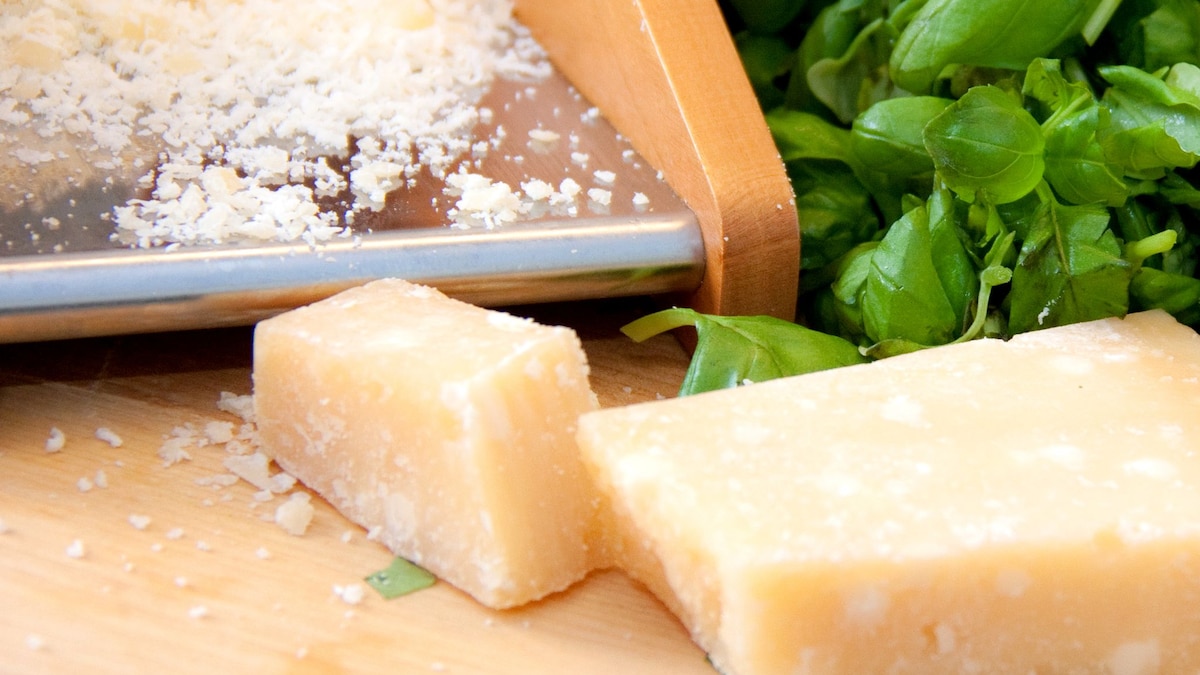
For the best flavor and to avoid additives, buy a wedge of the real cheese and grate it fresh yourself. It's a healthier choice with no fillers.
Health, Nutrition, and Making Smart Choices
Authentic Parmigiano Reggiano is a nutrient-dense food, rich in protein, calcium, and vitamins. Being informed about your cheese choices supports a mindful approach to nutrition, just as being informed about your health insurance options (like comparing Medicare Part D plans for prescription coverage) supports your long-term well-being.
Final Tip: When shopping, read the label carefully. Look for "Parmigiano Reggiano" and the PDO seal. Invest in a small piece of the real thing—its intense flavor means you'll use less, and its quality supports both your health and authentic culinary traditions.