Why Horse Liability Insurance Is Non-Negotiable for Your Stable's Survival
As a horse owner or stable operator, you face unique financial pressures. Fixed costs are substantial, and recent challenges—from pandemic lockdowns to soaring energy and veterinary expenses—have pushed many equestrian businesses to their limits. When income from lessons and competitions vanished, the bills kept coming. In this climate, the temptation to cut corners on insurance can be overwhelming. But as equine insurance expert Anja Tylkowski warns, underinsurance isn't savings—it's a gamble with your livelihood.
The Hidden Danger of Underinsurance for Horse Owners
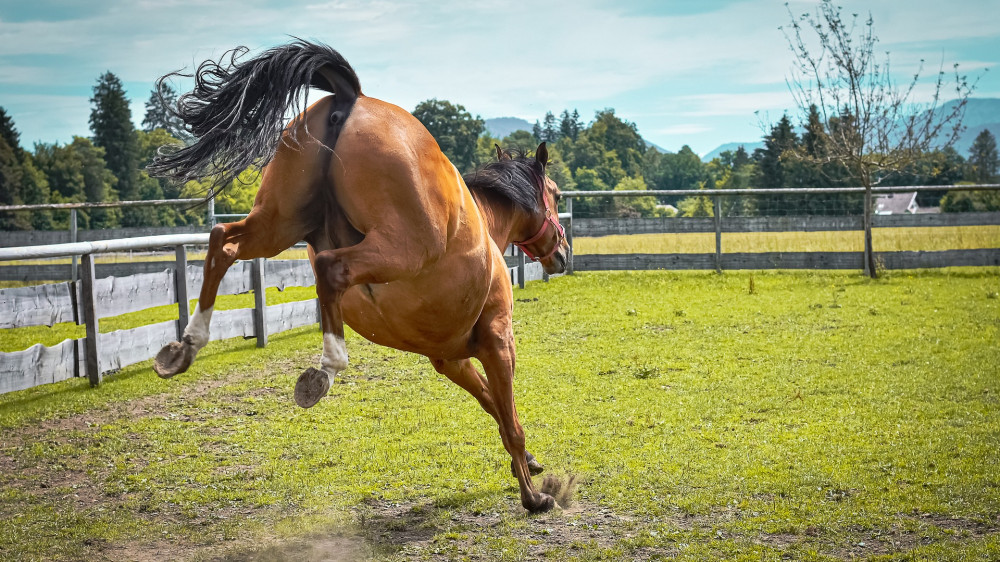
You might think you're saving money by opting for a basic liability policy or comparing quotes online without expert guidance. However, the potential savings are trivial compared to the catastrophic costs of a single incident. Consider this: a 600-kilogram flight animal can cause immense damage. If a horse bolts, injures a rider, or causes a collision, the resulting claims can easily reach tens or hundreds of thousands of dollars—dwarfing any annual premium savings of $30 or $50.
For boarding stables, the risk is even greater. Insuring boarded horses with sub-limits of $5,000 or $10,000 per animal is dangerously common. If a boarded horse dies due to feeding errors, escapes because of a faulty fence onto a highway, or sustains a severe injury, the stable owner could face liability far exceeding those limits. The consequence? Financial ruin and potential closure.
Rising Costs Make Comprehensive Coverage Essential
The financial landscape for horse care has shifted dramatically. Veterinary fee schedules have been revised upward, sometimes tripling costs. A tetanus shot that once cost $50 may now be $150. A $6,000 clinic bill for a simple injury like getting caught on a gate can devastate an unprepared owner.
This makes equine health insurance or major medical coverage for horses a critical component of your risk management. As Tylkowski notes, with proper health insurance, you can manage transport and treatment costs. Without it, you may face an impossible choice between financial hardship and your horse's well-being during a medical emergency.
Key Insurance Policies Every Horse Business Needs
To fully protect your operation, consider these essential coverages:
- Commercial Equine Liability Insurance: Covers bodily injury and property damage caused by your horses to third parties. This is your primary defense against lawsuits.
- Care, Custody, and Control (CCC) Insurance: Crucial for boarding stables. It covers injury or death of horses in your care, which standard liability often excludes.
- Equine Major Medical/Surgical Insurance: Helps manage skyrocketing veterinary costs for accidents, illness, and surgeries.
- Riding Instructor/Coach Liability Insurance: Protects against claims arising from lessons and training.
- Equine Mortality Insurance: Functions like life insurance for your horse, covering death from accident, illness, or sometimes theft.
The Critical Gap: Liability for Riding Shares ("Reitbeteiligung")
A common and often overlooked risk involves riding shares or leases—arrangements where friends, students, or enthusiasts help care for a horse in exchange for riding time. These agreements blur personal and commercial lines. Two major exposures exist:
- Damage Caused by the Share Rider: If the rider's negligence injures the horse or causes property damage, the horse owner could be held liable, straining personal relationships.
- Injury to the Share Rider: If the rider falls and is injured, they (or their parents, if a minor) may sue the horse owner. Standard homeowners insurance typically excludes commercial equine activities and injuries to participants.
A specific riding share liability insurance policy is designed to cover both scenarios. It also helps manage potential subrogation claims from the rider's health insurer (e.g., Medicare/Medicaid or private health plans in the US seeking reimbursement for medical costs).
Analogy for US Readers: Understanding the Insurance Landscape
Think of German Pferdehalter-Haftpflicht (horse owner liability) as a specialized, mandatory form of coverage similar to the high-risk, high-coverage needs in certain US professions. Just as US private health insurance (like a PPO) offers more choice and potentially higher costs than government programs (Medicare/Medicaid), specialized equine insurance offers tailored, comprehensive protection versus a generic farm policy that may have dangerous gaps. The German system emphasizes specific, legally-aware coverage—a principle US horse owners should adopt by seeking equine-specific insurance agents rather than relying on generic policies.
Comparison: Common Coverage Gaps vs. Recommended Protection
| Risk Scenario | Inadequate Coverage | Recommended Solution |
|---|---|---|
| Boarded horse escapes and causes a car accident | General farm liability with low per-animal sub-limit (e.g., $10,000) | Care, Custody & Control liability with a $1M+ aggregate limit |
| Riding share participant is seriously injured | No coverage (often excluded by homeowners policies) | Riding share/equine participant liability insurance |
| Emergency colic surgery for your horse | No medical coverage; out-of-pocket costs of $8,000+ | Equine major medical/surgical insurance with a $5,000+ limit |
| Your horse damages a neighbor's expensive property | Basic liability with a $300,000 limit | Commercial equine liability with a $1M-$2M per-occurrence limit |
Conclusion: Don't Let Underinsurance Be Your Downfall
The equestrian industry is resilient, but its financial margins are thin. In an era of rising costs, comprehensive horse insurance is not an optional expense—it's the foundation of your business continuity plan. Partner with an independent equine insurance specialist who understands the unique liabilities of horse ownership, boarding, and instruction. They can conduct a proper risk assessment, explain policy exclusions, and ensure your coverage limits reflect the true cost of a disaster. The few dollars saved on an inadequate policy today could cost you everything tomorrow. Protect your passion, protect your investment, and secure the future of your stable with the right insurance safety net.
Seeking expert advice? Consult with a specialist in equine business insurance to review your current coverage and identify potential gaps that could threaten your financial stability.