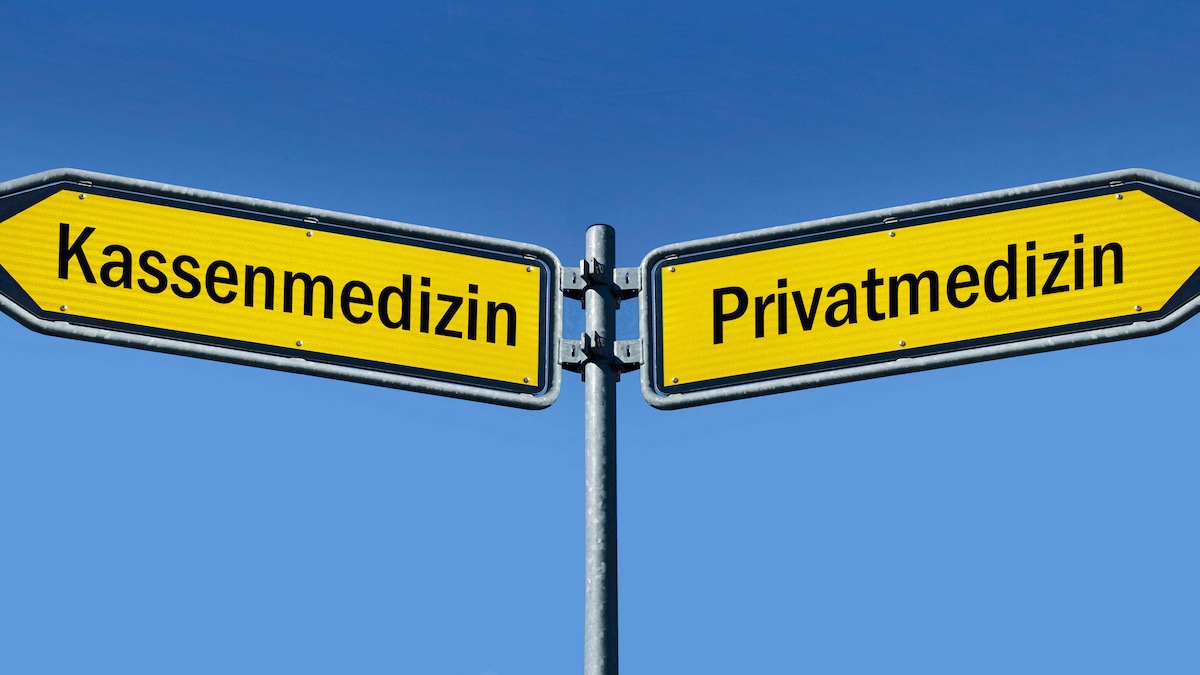
Public vs. Private Health Insurance: Why 2026 is a Critical Turning Point
If you're enrolled in Germany's public health insurance (Gesetzliche Krankenversicherung or GKV), prepare for a significant financial shift in 2026. Premiums are set to rise substantially, pushing the system to a new cost peak. This moment forces a crucial decision: should you endure the rising costs of the public system, or is 2026 the year to strategically switch to private health insurance (Private Krankenversicherung or PKV)? For context, American readers can think of this as comparing the rising, income-based costs of a public program like Medicare (GKV) with the customizable, risk-based pricing of comprehensive private insurance (PKV). The right choice depends not on next year's bill, but on your long-term life and financial plan.
The 2026 Cost Shock in Public Health Insurance (GKV)
The primary driver of higher costs is the increase in the Contribution Assessment Ceiling (Beitragsbemessungsgrenze - BBG). This ceiling, which limits the income subject to GKV contributions, will rise from €66,600 (2024) to €69,750 in 2026. For high earners at this limit, the total monthly cost—including the supplementary contribution and long-term care insurance—could reach up to €1,300.
To put this in perspective: the maximum contribution in 2025 was about €1,160. The jump to €1,300 represents a 13% increase in just two years—a record pace. This trend is fueled by systemic pressures: an aging population, higher wages in the healthcare sector, more expensive medications, and persistent medical inflation. In short, 2026 marks a new all-time high for GKV costs, especially for high-income earners.
Eligibility for Private Health Insurance (PKV): The First Hurdle
Switching to private insurance isn't an option for everyone. It's only possible if your gross annual income exceeds the Mandatory Insurance Threshold (Jahresarbeitsentgeltgrenze - JAEG), which will be €77,400 in 2026. This rule primarily makes PKV an option for:
- High-earning employees securely above this income limit.
- The self-employed and freelancers (who are generally free to choose).
- Civil servants (Beamte), who receive substantial state subsidies for private insurance.
The Long-Term Financial Argument for Private Insurance (PKV)
Here's where the comparison gets compelling. While PKV can have higher entry premiums, it operates on a fundamentally different financial model. A key portion of your PKV premium—often 40-50%—is not spent on current healthcare but is saved as aging reserves (Altersrückstellungen). This capital belongs to you and is specifically set aside to help stabilize your premiums later in life.
A Real-World Example: After 26 years in a private plan, I have paid approximately €101,000 in premiums. Of that, over €62,000 sits in my personal aging reserves. This is real, accrued capital for my future. In the GKV's pay-as-you-go system, an equivalent amount would have been fully spent each year with no personal reserve building.
The Critical Pitfall: Entry Price vs. Long-Term Stability
The most common and costly mistake is choosing a PKV plan based solely on its attractive entry price. The decisive factor is not the starting premium, but the plan's stability over decades. A tariff that seems cheap today can become unaffordable in 10 or 20 years due to poor initial calculation or being part of a closed, aging risk pool.
In real policy histories, we regularly see differences of several hundred euros per month between customers in prudently calculated, stable tariffs and those in aggressive "loss leader" tariffs designed to attract customers with low initial prices. A 50-year-old in a poorly structured plan might pay over €1,000 monthly, while a peer in a stable plan pays only half that.
Strategic Comparison: GKV vs. PKV for Long-Term Planning
| Decision Factor | Public Health Insurance (GKV) | Private Health Insurance (PKV) |
|---|---|---|
| Primary Cost Driver | Collective income pool, demographic change, political decisions. | Individual risk, tariff generation quality, insurer's calculation strategy. |
| Long-Term Cost Control | Very limited; you are subject to systemic changes. | High potential via plan choice, aging reserves, and active management. |
| Wealth Building | None. System operates on a pure pay-as-you-go basis. | Yes. A significant portion of premiums builds personal aging reserves. |
| Best For | Those seeking simplicity, with lower or variable incomes, or with pre-existing conditions. | Young, healthy, high earners who can commit to a long-term, strategically chosen plan. |
Your Action Plan: How to Make a Smart Decision for 2026 and Beyond
- Verify Your Eligibility: Confirm your income will securely exceed the €77,400 JAEG threshold in 2026.
- Look Beyond the Price Tag: When comparing PKV plans, demand to see the real premium development over at least 25 years for the specific tariff, not just the current price. Reputable insurers can provide this data.
- Prioritize Calculation Quality: Choose insurers and tariffs known for conservative, long-term calculation stability over those offering the lowest entry price.
- Consider Your Life Trajectory: Evaluate your health, career stability, family plans, and retirement goals. PKV is a decades-long commitment.
Conclusion: The soaring GKV premiums in 2026 are not an anomaly but a symptom of a cost-burdened system. For those who are healthy, high-earning, and strategically minded, this moment warrants a serious review of switching to a provably contribution-stable private health insurance plan. The true measure of value isn't the introductory discount but the quality of the calculation over decades. Your future financial health depends on this long-term view.
Dieter Homburg has advised clients on private health insurance and risk protection for over 25 years, with a focus on long-term premium stability and affordability. He offers free reviews for privately insured individuals to see if existing PKV contracts can be restructured to save thousands per year for the same benefits. He particularly helps young people find a long-term stable private health insurance plan. He is the author of the bestseller "Altersvorsorge für Dummies" and part of the EXPERTS Circle.