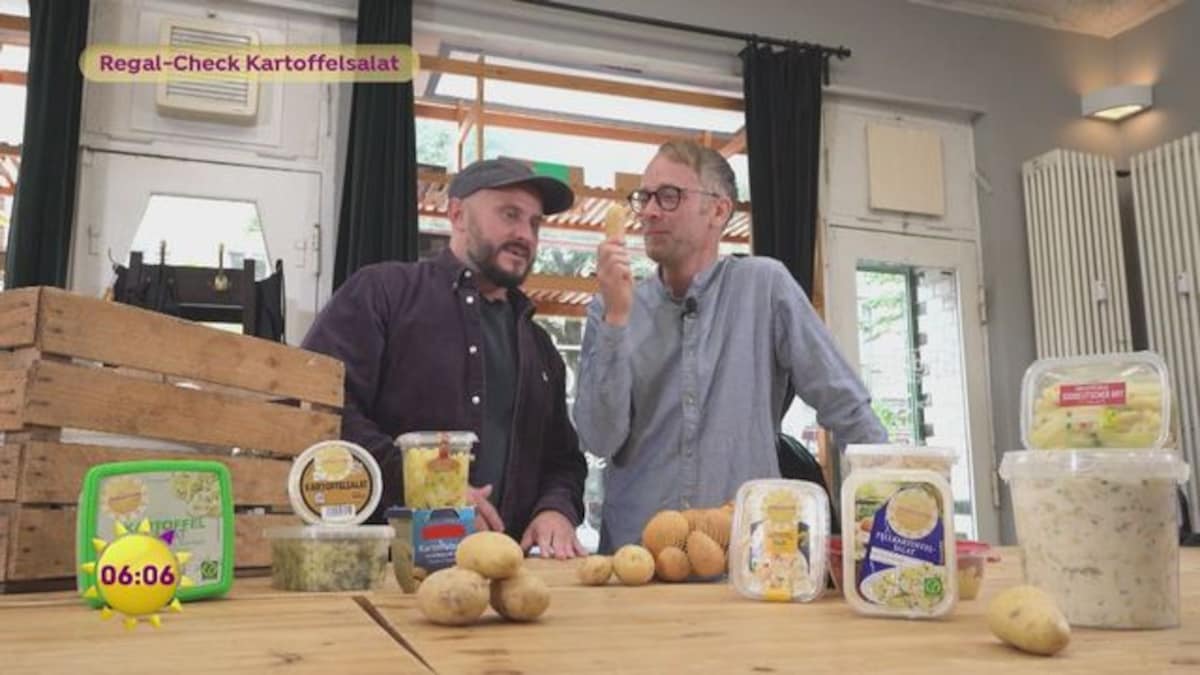
Expert Guide: How to Identify High-Quality Potato Salad Every Time
Potato salad is a beloved side dish, especially during the holidays—nearly one-third of Germans enjoy it on Christmas Eve. But walking into a supermarket can be overwhelming. With prices ranging from budget-friendly to premium, and styles varying from creamy mayonnaise-based (common in the north) to tangy oil-and-vinegar dressings (a southern German tradition), how do you choose the best one? Professional chef and "The Taste" winner Kristof Mulack has tested numerous store-bought varieties and shares the definitive markers of quality. Think of this as your essential guide for making an informed choice, much like comparing health insurance plans—you need to look beyond the price tag to understand the real value and coverage (or in this case, flavor and ingredients).
The Chef's Checklist: 5 Signs of a Superior Potato Salad
1. The Potato Texture is Everything
This is the most critical factor. A great potato salad should have potatoes that are firm yet tender, never mushy or disintegrating.
- Good Sign: Distinct, bite-sized pieces that hold their shape when scooped.
- Bad Sign: A pasty, homogenous texture where the potatoes have turned into a starchy paste.
- Pro Tip: The best salads use waxy potato varieties (like Charlotte or Nicola) that maintain their structure after cooking and dressing.
2. The Dressing Should Complement, Not Drown
The dressing is a supporting actor, not the star. It should coat the potatoes lightly and evenly.
- For Mayo-Based: It should be creamy and rich but not gloppy, heavy, or overly sweet. It shouldn't pool at the bottom of the container.
- For Oil & Vinegar: The balance is key. It should be tangy and bright without being harshly acidic or overly oily.
- Watch Out For: An excessive amount of dressing used to mask low-quality or sparse potato content.
3. Fresh, Recognizable Ingredients
Check the ingredient list. The shorter and more pronounceable, the better.
- Look For: Real ingredients like onions, chives, parsley, bacon, gherkins, and eggs.
- Avoid: Long lists with artificial flavors, excessive preservatives (like potassium sorbate), stabilizers (guar gum), and high-fructose corn syrup. These are indicators of a highly processed product.
4. Vibrant Flavor Balance
Take a mental note of the flavor profile after your first bite.
- It Should Have: A harmonious balance. Creamy versions need a hint of acidity (from lemon juice or vinegar) to cut the fat. Vinegar-based versions need a touch of sweetness and savoriness.
- It Should Not Be: One-note—exclusively sweet, salty, or sour. Blandness is also a major red flag.
5. The Price Should Reflect True Quality
While the "Potato Salad Index" shows that food prices have risen, a higher price doesn't always mean better quality. Conversely, the cheapest option is often a false economy.
Assess Value: Compare the price per kilogram. A mid-priced salad with excellent texture and clean ingredients often offers the best value for money, similar to finding a health insurance plan with a reasonable premium that covers your essential needs without unnecessary extras.
Quick Comparison: Supermarket Potato Salad Types
| Type | Key Characteristics | Quality Indicators | Common Pitfalls |
|---|---|---|---|
| Creamy / Mayo-Based | Rich, smooth, often with eggs or bacon. | Fresh, herbal notes; balanced creaminess; firm potatoes. | Overly sweet; greasy; soggy potatoes; artificial aftertaste. |
| German-Style (Oil & Vinegar) | Tangy, lighter, often with broth and onions. | Bright acidity, savory broth flavor, al dente potatoes. | Too vinegary; watery; bland; potatoes too hard or too soft. |
| "Premium" or Deli-Style | Higher price point, often marketed as artisanal. | Exceptional ingredient list (e.g., fresh dill, shallots); perfect texture. | Not always superior; sometimes just fancy packaging. |
Chef Kristof Mulack's Pro Tips & Simple Homemade Alternative
Choosing Potatoes for Homemade Salad: For the best homemade version, select firm, waxy potatoes with smooth, unblemished skin. They should feel dense for their size.
Simple Quality Test: If you're unsure about a store-bought salad, look at it through the container. Can you see distinct pieces of potato and other ingredients? Or is it a uniform, creamy mass? Visibility is a good initial sign.
The Bottom Line: Your goal is to find a potato salad where the potatoes are the undeniable star—perfectly cooked and dressed with a balanced, flavorful sauce made from real ingredients. Don't let price or marketing alone guide you. Use these chef-approved criteria to make a choice that will genuinely enhance your meal, ensuring your holiday side dish is a highlight, not an afterthought. Investing a little time in selection is a small step toward overall health and wellness, as it encourages mindful eating of higher-quality, less-processed foods.