Equine Insurance Exposed: Why "Friendship Ends When Money is Involved" in Riding Partnerships
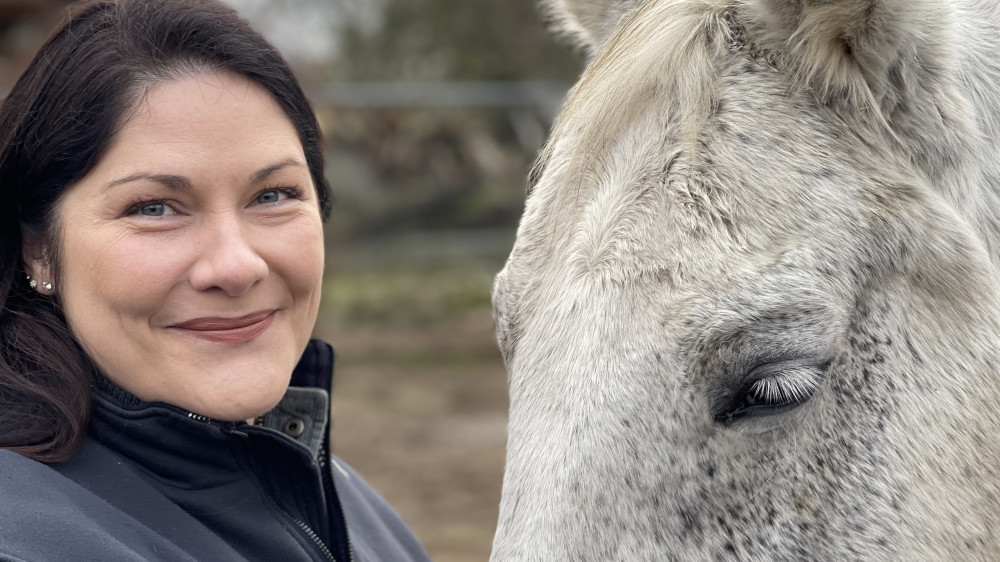
Horse ownership is a passion, but it's also a significant financial and liability undertaking. From private owners to commercial stables, the risks are substantial and often misunderstood. We spoke with Anja Tylkowski, a leading expert in equine insurance and animal liability coverage, who, alongside her father, has run a specialized agency for the Gothaer insurance group since 1990. Her candid insights reveal why DIY online policies are a recipe for disaster and how proper horse insurance advice can prevent friendships—and finances—from being ruined.
The Post-Pandemic Equine Landscape: Rising Costs and Uninsured Risks
The pandemic brought a surge in pet ownership, but for the equine industry, it created a crisis. Many riding schools, especially lesson-based operations, faced closure due to lockdowns and crippling fixed costs. "The owners often said they needed furlough money for the horses," Tylkowski notes. Now, rising energy and veterinary costs are compounding the problem, leaving many in the industry on shaky financial ground. This economic pressure makes adequate equine business insurance not a luxury, but a necessity for survival.
The Peril of Price-Driven Online Policies: A 600-Kg Liability
One of the biggest threats Tylkowski sees is the rise of comparison portals leading horse owners to believe they can self-insure. "People haggle over every euro for a private horse owner's liability policy, often paying under €100 per year," she explains. "But we're talking about a 600-kg flight animal. If it decides to bolt, the resulting damage is always a multiple of a maximum annual savings of €30." This false economy leaves owners catastrophically exposed to third-party property damage or injury claims that can reach six or seven figures.
The Commercial Stable's Fatal Coverage Gap: Boarding Horse Liability
For riding stables and boarding facilities, the most underestimated risk involves care, custody, and control (CCC) liability for horses owned by clients. Many commercial stable policies either exclude damage to boarded horses entirely or cap coverage with a sub-limit as low as €5,000-€10,000 per horse.
"If these horses die from incorrect feeding, injure themselves, or end up on a highway due to a broken fence, the business can ultimately close," Tylkowski warns. She has firsthand experience with such tragedies: horses killed on roads, lost to fire, or facing €6,000 clinic bills from a simple injury. Without proper equine mortality insurance and major medical coverage for boarded horses, both the business and the heartbroken owner are left with nothing.
Riding Shares: Where Friendship Meets Financial Ruin
Riding partnerships (Reitbeteiligungen) are a common way to share time and costs, but they are a minefield of liability. "The biggest problem is that friendship ends when money is involved," Tylkowski states bluntly. Two critical scenarios arise:
| Scenario | Risk | Potential Consequence |
|---|---|---|
| Damage BY the Share Rider | The share rider causes injury to the horse or damages tack. | The horse owner faces vet bills of €10,000+ or replacement costs. Pursuing the friend for payment destroys the relationship. |
| Damage TO the Share Rider | The share rider (often a young person) is injured while riding. | The horse owner may be held liable by the rider's parents or health insurer seeking recourse. Legal defense costs can be immense. |
Tylkowski's specialized policies address this directly by covering both liability for the share rider and damage caused by the share rider, effectively insuring the relationship itself.
Essential Coverages for Every Horse Owner and Equine Business
Based on Tylkowski's expertise, a comprehensive risk management plan should include:
- Equine Liability Insurance: The absolute foundation. Must have high limits (€1.5M+).
- Care, Custody & Control (CCC) Liability: For businesses boarding horses. Ensure no sub-limits and coverage matches horse values.
- Equine Mortality & Major Medical Insurance: Functions like life and health insurance for the horse, covering death, theft, and surgical costs.
- Loss of Use Insurance: For performance horses, provides a payout if an injury renders them permanently unable to perform their specific discipline.
- Commercial Property & Business Interruption: For stables, covering barns, tack, and lost income after a fire or other disaster.
- Instructor/Trainer Liability: Crucial for anyone giving lessons, even occasionally on their own horse.
Beyond Premiums: The Value of Specialized Advice and Advocacy
In an age of digital aggregation, Tylkowski champions the irreplaceable role of the specialist advisor. While "big players" compete on Google ads for simple pet policies, they often lack the nuanced understanding of equine risks. A specialist provides risk assessment, ensures proper policy wording, and, crucially, offers expert claims advocacy when disaster strikes.
"I know my value in consultation and especially in loss adjustment support," she says. This expertise is what bridges the gap between a cheap online quote and a policy that actually pays out when you need it most.
Conclusion: Insure the Relationship, Not Just the Animal
Protecting your equine investment goes beyond insuring the horse's value. It's about insuring the entire ecosystem of relationships and responsibilities that come with ownership. Whether you're a private owner with a riding share, a trainer, or a stable owner, working with a dedicated equine insurance specialist is the surest way to secure coverage that protects your passion, your assets, and your peace of mind. Don't let a lack of proper horse insurance coverage be the reason a beloved partnership ends.