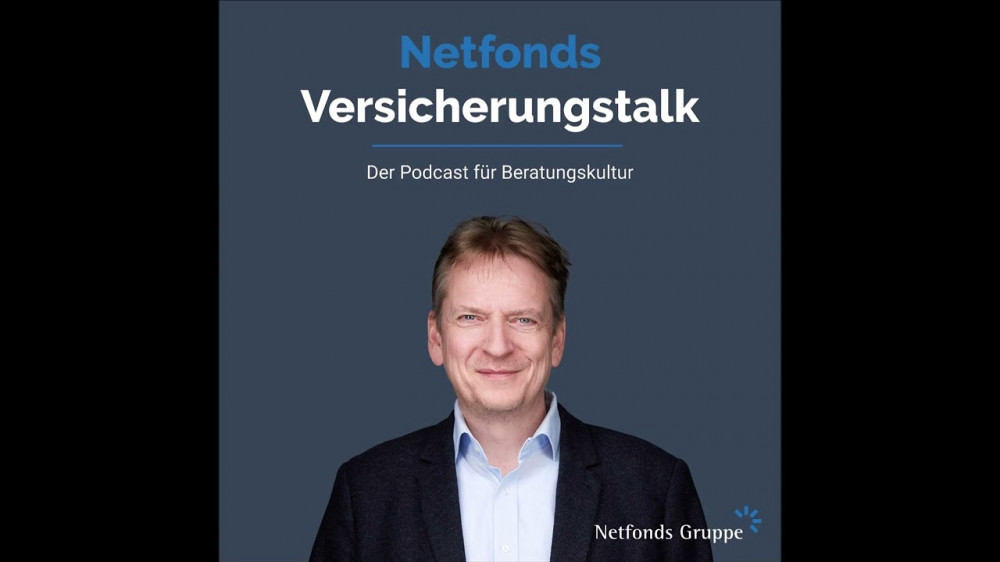
Retirement Age Reform: Creating Sustainable Pension Systems with Essential 'Emergency Exits'
As you plan for retirement, understanding different pension systems becomes crucial—whether you're navigating Germany's statutory pension insurance or comparing it to America's Social Security and Medicare programs. Recently, German pension policy expert Markus Kurth highlighted a critical issue: while extending working lives may be necessary, we must create "emergency exits" for those in physically demanding occupations. This perspective offers valuable insights for retirement planning in any country.
The Core Principle: Pension Systems as Income Security
When you think about retirement systems, whether Germany's statutory pension insurance (Gesetzliche Rentenversicherung) or America's Social Security program, their fundamental purpose remains the same: providing reliable income replacement. As Kurth emphasizes, maintaining this income replacement principle is essential for preserving the legitimacy of mandatory insurance systems. This principle applies equally whether discussing Germany's public pension system or the US Social Security program that millions of Americans depend on.
For those familiar with the US system, think of Germany's statutory pension as similar to Social Security—a mandatory, earnings-based program—while considering how it interacts with occupational pensions (similar to 401(k) plans) and private retirement savings (like IRAs).
The Three-Pillar Approach: A Universal Retirement Framework
Kurth advocates for a three-pillar approach that resonates across international retirement systems:
| Pillar | German System | US Equivalent | Key Challenges |
|---|---|---|---|
| First Pillar | Statutory Pension Insurance | Social Security | Sustainability, demographic changes |
| Second Pillar | Occupational Pensions (bAV) | 401(k), Employer Plans | Underrepresentation in SMEs |
| Third Pillar | Private Retirement Savings | IRAs, Private Investments | Gender gaps, accessibility |
The Working Life Extension: Differentiated and Gradual
One of the most pressing issues in retirement policy—whether in Germany, the US, or elsewhere—is extending working lives to address demographic challenges. Kurth suggests that working life should increase in a "differentiated and staggered" manner. This means recognizing that not all professions can sustain longer careers equally.
For American readers, consider this in the context of Social Security's Full Retirement Age, which has gradually increased from 65 to 67. The debate about whether this age should increase further—and how to accommodate physically demanding jobs—parallels discussions happening in Germany and other developed nations.
Essential 'Emergency Exits': Protecting Those in Demanding Jobs
Here's where Kurth's proposal becomes particularly relevant to your understanding of fair retirement systems. While extending working lives may be mathematically necessary, we must create "emergency exits" for people in physically demanding occupations. This concept has parallels in both German and American systems:
- Germany: Special provisions for occupations with exceptional physical demands
- United States: Social Security Disability Insurance (SSDI) and early retirement options for certain occupations
- Universal Principle: Recognizing that a construction worker, nurse, or factory employee may not be able to work as long as an office professional
This approach acknowledges what you likely already understand: retirement policy cannot be one-size-fits-all when job demands vary so dramatically.
Strengthening the Foundation: Employment and Participation
To sustain pension systems, Kurth proposes focusing on employment fundamentals—a strategy equally relevant to US retirement security:
- Qualified Labor Migration: Similar to debates about skilled immigration in the US to support Social Security funding
- Increasing Female Employment: Addressing gender gaps in workforce participation and pension accrual
- Healthier, Longer Working Lives: Workplace health initiatives that benefit both German and American workers
The Second Pillar Challenge: Occupational Pensions
Just as 401(k) plans in the US face participation challenges, Germany's occupational pensions (betriebliche Altersvorsorge) show significant gaps. They're underrepresented in small and medium enterprises (SMEs) and among women—echoing similar challenges with American employer-sponsored plans. Targeted measures are needed in both systems to ensure broader access to workplace retirement benefits.
Private Retirement Savings: Lessons from Riester and US Equivalents
Kurth's skepticism about reforming Germany's Riester pension in its current form offers lessons for US private retirement savings as well. Both systems face challenges with complexity, costs, and accessibility—particularly for middle and lower-income earners. As you consider your own retirement planning, whether through German private pensions or American IRAs, understanding these structural challenges helps you make more informed decisions.
Practical Implications for Your Retirement Planning
Regardless of which country's system you're navigating, several principles emerge from this discussion:
- Diversify Your Sources: Don't rely solely on statutory pensions or Social Security
- Understand Your Profession's Realities: Physically demanding jobs may require different planning
- Advocate for Fair Systems: Support policies that recognize different occupational demands
- Plan for Flexibility: Your retirement timeline may need adjustment based on health and job demands
Conclusion: Toward More Equitable Retirement Systems
The debate about retirement age and pension reform transcends national borders. Whether discussing Germany's statutory pension insurance, America's Social Security system, or any country's retirement framework, the core challenges remain similar: creating sustainable systems that provide adequate income while recognizing the diverse realities of different professions.
As Kurth's emphasis on "emergency exits" reminds us, the most effective retirement policies acknowledge that extending working lives must be accompanied by protections for those who cannot continue in physically demanding roles. This balanced approach—strengthening public pensions while expanding occupational and private options—offers a path toward retirement security that works for everyone, regardless of their profession or country's specific system.
Listen to the Full Discussion: For deeper insights into these retirement policy debates, listen to Markus Kurth's complete interview on the Netfonds podcast available on Apple Podcasts, YouTube, and Spotify.