Risk Assessment in Life Insurance: Why It's More Than the Sum of Its Parts
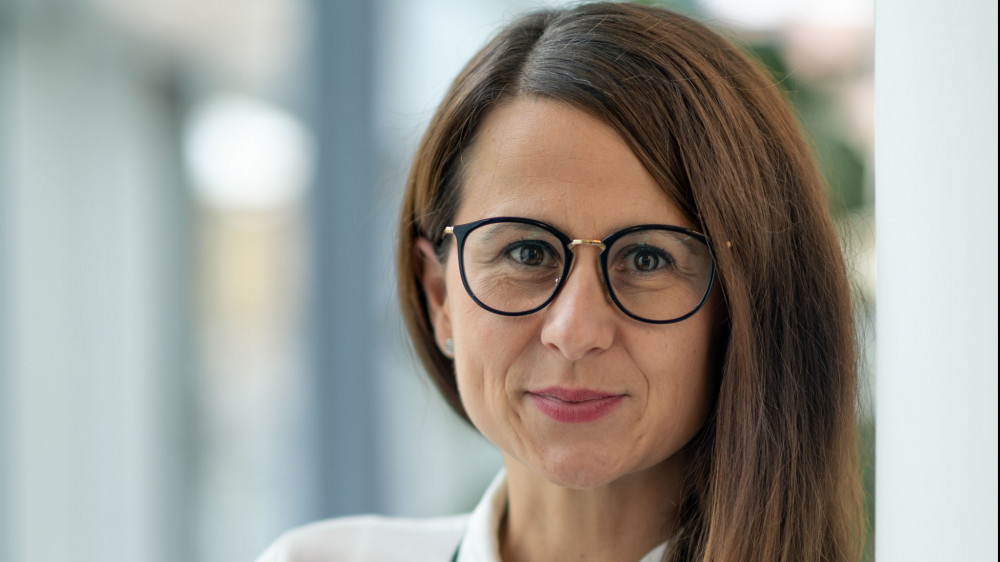
If you're considering life insurance, disability insurance, or critical illness coverage, you know health questions are inevitable. But in an era of rising chronic conditions, how do insurers accurately assess risk? We spoke with Adriana Bilandzija, Head of Private Life Market Management at Nürnberger, to demystify the process and explore how digital innovation is changing the game for policyholders.
Chronic Illness and Biometric Insurance Underwriting: A Nuanced Approach
Q: How does the rise in chronic diseases impact underwriting for biometric insurance products like life, disability, or critical illness coverage?
Adriana Bilandzija: When you apply for any biometric insurance product—be it life insurance, disability insurance (Berufsunfähigkeitsversicherung), or critical illness coverage—you provide a detailed health history. This includes declaring all pre-existing and chronic conditions. Today, chronic illnesses like cardiovascular disease, cancer, chronic respiratory diseases, diabetes, and musculoskeletal disorders are among the most prevalent health challenges, significantly affecting longevity and quality of life.
The key point is this: Risk assessment is always more than the sum of its parts. There's no one-size-fits-all answer. The same diagnosis can lead to different underwriting outcomes—standard acceptance, a premium rating, or even declination—depending on the individual's full health profile, management of the condition, and other risk factors.
For a fair assessment, a detailed and accurate health history is paramount. This means providing comprehensive details on the diagnosis, treatment history, progression, and current management of any condition. Inaccuracies or omissions can have serious consequences. A 2022 study by Franke and Bornberg on disability insurance claims found that roughly 20% of claim denials were due to missing or incorrect information on the original application.
For US Readers: Think of this process as similar to underwriting for a US private long-term disability (LTD) insurance or individual life insurance policy. Insurers meticulously evaluate your health to price your risk accurately, much like in the German system. A chronic condition like diabetes might lead to a rating, not necessarily a decline, based on how well it's controlled.
Expanding Reach and Value: Digital Health Partnerships
Q: What partnerships has Nürnberger established to expand its reach and add value in the biometric insurance market?
We focus on partnerships that provide tangible value to our customers' health and well-being, not just on selling policies.
Since 2021, for our core income protection products (Disability, Dread Disease, etc.), we've partnered with BetterDoc, a specialist medical second-opinion service. This isn't just a perk; it's a commitment to our customers' health outcomes. If faced with a serious diagnosis or complex treatment decision, BetterDoc uses advanced technology and medical expertise to help identify the best possible treatment options and specialists, even assisting with appointment scheduling. Crucially, Nürnberger receives no personal health data from this service, ensuring complete privacy for the customer.
Furthermore, for all our customers, we offer Coach:N, a free digital health and wellness platform developed with eTherapists and powered by Humanoo. This platform provides access to over 3,000 coaching programs in nutrition, weight management, fitness, stress reduction, and mindfulness. It acts as a personalized digital health companion, offering content and lifestyle recommendations to proactively improve daily well-being. This aligns with a global trend in insurance, similar to wellness programs offered by some US health insurers, which reward healthy behaviors.
Overcoming Barriers: Communication and Effective Marketing
Q: How do you address language or communication barriers in the distribution of complex biometric products?
Clear communication is the foundation of trust. We provide extensive sales materials for both B2B and B2C channels for our income protection portfolio, designed to clearly articulate product benefits and address customer needs. However, the most critical element is the personal consultation with our advisory partners. This direct contact allows for nuanced discussion, ensures questions are answered, and helps avoid misunderstandings from the start. Our goal is for every customer to find—and fully understand—the right coverage for their situation.
Q: How do you evaluate the effectiveness of your marketing campaigns for biometric products?
All our online marketing campaigns are driven by performance-based KPIs (Key Performance Indicators). Each campaign is meticulously tracked, evaluated, and optimized based on the quality and quantity of customer leads it generates. We then analyze the actual conversion rates and new business written. This means we follow the entire customer journey—from the initial click to the final policy issuance—continuously evaluating and refining our approach to ensure efficiency and relevance in the competitive life insurance and disability insurance market.
Key Takeaways for Insurance Shoppers
- Honesty is Non-Negotiable: Provide a complete and accurate health history on your application. Inaccuracies are a leading cause of future claim disputes.
- Chronic Conditions Don't Mean Automatic Decline: Underwriting is individual. Well-managed conditions can still lead to policy approval, possibly with a rating.
- Look for Value-Added Services: Modern insurers often partner with digital health platforms. Services like second-opinion networks or wellness apps can provide significant real-world benefits beyond the financial payout.
- Seek Expert Advice: Complex products like disability insurance benefit greatly from personal consultation to ensure you understand the coverage and its fit for your life.
Navigating biometric insurance requires understanding that risk is multifaceted. By focusing on detailed assessment, customer-centric partnerships, and clear communication, insurers can provide meaningful protection in an increasingly complex health landscape.