Raw Potatoes: A Complete Guide to Safety, Taste, and Nutritional Value
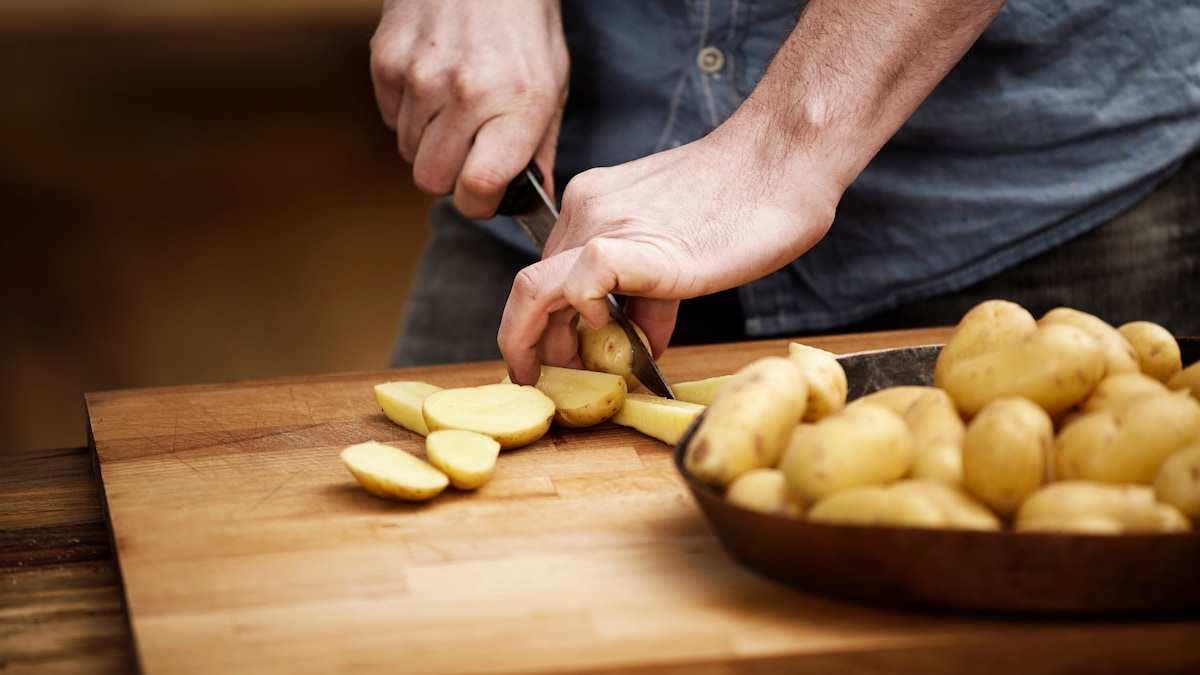
Potatoes are a staple in kitchens worldwide, but the question of eating them raw often arises. Is it a harmless habit or a hidden health risk? Much like navigating the specifics of a private health insurance plan versus Medicare, understanding the details is key to making a safe choice. Nutrition scientist Uwe Knop provides expert insight into the safety, taste, and nutritional profile of raw potatoes.
Is It Safe to Eat Raw Potatoes? Understanding the Solanine Risk
In very small quantities, consuming fresh, flawless raw potatoes is generally considered safe. The critical factor is the presence of solanine, a natural toxin that acts as the potato's defense mechanism. This compound is concentrated in green parts, sprouts (eyes), and damaged areas.
You should NEVER eat raw potatoes if:
- The skin has a greenish tint.
- The potato has sprouts or eyes.
- It appears withered or old.
Higher solanine levels are more common in potatoes that aren't freshly harvested. Due to this potential toxin, pregnant women, nursing mothers, and individuals with sensitive stomachs should avoid raw potatoes entirely. Consuming them in larger amounts can lead to abdominal pain, nausea, and digestive discomfort. Therefore, raw potatoes are not recommended as a regular part of a healthy diet.
Taste and Texture: What Does a Raw Potato Actually Taste Like?
Forget the creamy, fluffy texture of a baked potato. A fresh, raw potato offers a completely different sensory experience:
- Texture: Crisp, firm, and crunchy, similar to an apple but less juicy.
- Flavor: Earthy, mildly sweet, and starchy. Some detect a subtle nutty note. The taste is less intense and more neutral than cooked potatoes, varying slightly between varieties (e.g., new potatoes are often sweeter).
Cooked vs. Raw Potatoes: A Nutritional Showdown
While potatoes are nutritional powerhouses—rich in carbohydrates (starch), potassium, magnesium, B vitamins, vitamin C, fiber, and quality protein—the form in which you eat them matters greatly for nutrient absorption.
| Aspect | Raw Potatoes | Cooked Potatoes (Boiled/Baked) |
|---|---|---|
| Primary Safety Concern | Risk of solanine toxicity from green parts/sprouts. | Solanine content is significantly reduced during cooking. |
| Nutrient Bioavailability | Body struggles to digest raw starch and absorb nutrients efficiently. | Cooking gelatinizes starch, making nutrients like potassium and B vitamins easier for the body to absorb. |
| Digestibility | Can cause bloating, gas, and stomach upset due to resistant starch. | Highly digestible and gentle on the stomach for most people. |
| Vitamin C Content | Theoretically higher, but less bioavailable. | Some loss occurs (especially if boiled in water), but overall nutritional value is enhanced by better absorption. |
| Recommended Intake | Not recommended. If tasted, only a small piece of perfect, fresh potato. | An excellent, versatile component of a balanced diet. |
Think of it this way: choosing cooked potatoes is like opting for a comprehensive, predictable health insurance plan that covers you reliably. Eating raw potatoes is akin to forgoing coverage—it might seem fine until you encounter an unexpected issue (like solanine toxicity).
The Health Benefits of Potatoes: Why They Deserve a Place on Your Plate
When prepared healthily (boiled, baked, roasted), potatoes are a superb food choice. A recent large-scale Norwegian study suggested a correlation between high potato consumption and a lower risk of mortality from cardiovascular disease, heart failure, and heart attack. While this doesn't prove direct causation, it underscores potatoes' value as part of a heart-healthy diet rich in potassium and fiber.
From classic side dishes like boiled potatoes to salads, casseroles, and yes, even the occasional oven-baked fries, the potato's versatility is unmatched. Its broad spectrum of nutrients supports energy levels, digestion, and overall wellness.
Expert Verdict and Final Recommendations
According to nutrition expert Uwe Knop, the occasional tiny taste of a pristine, fresh raw potato is low-risk for most adults. However, the consistent, evidence-based recommendation is to always cook your potatoes.
- Prioritize Safety: Inspect potatoes thoroughly. Discard any with green skin, sprouts, or damage.
- Choose Cooking: Boiling, baking, or steaming maximizes nutrient availability and destroys solanine.
- Enjoy the Variety: Incorporate cooked potatoes into a balanced diet to reap their full health benefits without unnecessary risk.
In summary, while the curiosity about raw potatoes is understandable, the smart and healthy choice is clear. Cooking transforms this humble tuber into a safe, digestible, and nutritionally optimal food—ensuring you get all the benefits without playing a game of dietary chance.