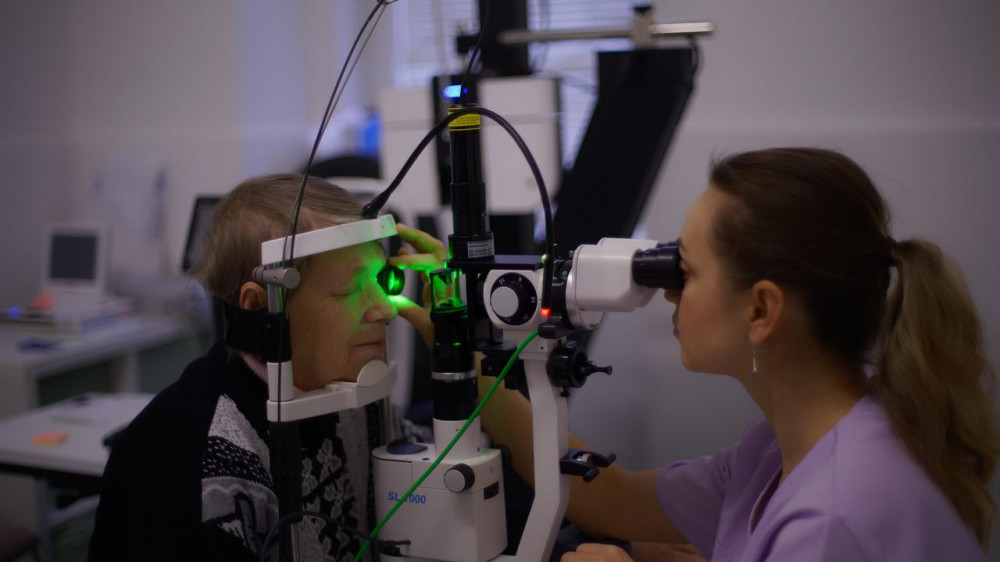
The Growing Doctor Shortage: A Crisis for Healthcare Access in Germany and Beyond
While a majority of Germans still rate their healthcare system positively, a deepening crisis threatens this foundation. A significant and worsening doctor shortage, particularly in rural and eastern regions, is creating stark disparities in access to care. This situation offers critical insights not only for residents of Germany but also for those navigating healthcare access in the USA, where similar challenges of physician shortages and rural healthcare deserts exist within both Medicare and private insurance networks.
The Scale of the Shortage: Public Perception vs. Medical Reality
Recent surveys reveal a troubling gap between overall satisfaction and on-the-ground experience. While over 80% of citizens view German healthcare positively, one in three reports a local doctor shortage—a figure that jumps to over 50% in eastern Germany. Physicians themselves confirm the crisis, with 52% acknowledging a general shortage and 76% reporting severe gaps in structurally weak regions.
This shortage is a primary driver behind the perception of declining care quality. Nearly 30% of respondents believe healthcare has worsened in the last three years. A critical divide emerges between patients with public statutory insurance (Gesetzliche Krankenversicherung - GKV) and those with private coverage (Private Krankenversicherung - PKV). One in three publicly insured patients reports negative experiences, compared to only one in twenty (5%) of the privately insured.
Where the Gaps Are: Ambulatory Care and Hospital Staffing
The shortage is most acute in specific areas, mirroring challenges in the U.S. system where finding in-network primary care physicians or specialists can be difficult.
- Ambulatory (Outpatient) Care: This is the frontline of the crisis. Physicians report major shortages in general practice and key specialties, directly impacting wait times for appointments.
- Hospital Care: Nearly 60% of hospital doctors report a current physician shortage, with 23% expecting one soon. The nursing staff crisis is even more dramatic, with 80% of hospital physicians reporting shortages.
- The Succession Problem: 68% of practicing physicians find it (very) difficult to find a successor for their practice, ensuring the shortage will intensify.
The Insurance Divide: GKV vs. PKV Access in a Shortage Market
The German data highlights a stark health insurance coverage disparity exacerbated by the shortage. Privately insured (PKV) patients report significantly better access and fewer negative experiences. This can be analogized to the U.S. context:
| German Insurance Type | Reported Access & Experience | U.S. System Analogy | Potential Reason for Disparity |
|---|---|---|---|
| Public Insurance (GKV) | Higher negative experience rate (33%). Longer wait times (70% affected). | Patients relying solely on Original Medicare or some restrictive Medicaid plans in areas with few accepting providers. | Lower reimbursement rates from public funds can make physicians limit patient quotas or prioritize other patients. |
| Private Insurance (PKV) | Much lower negative experience rate (5%). Better/faster access. | Patients with comprehensive private health insurance or Medicare Advantage PPO plans with broader, more flexible networks. | Higher reimbursement rates and faster administrative processes incentivize practices to accept and prioritize these patients. |
Parallels to the U.S. Healthcare Landscape
The German doctor shortage crisis reflects broader, global challenges in healthcare access. In the United States, similar issues persist:
- Rural Healthcare Deserts: Both Germany and the U.S. struggle to attract and retain medical professionals in rural areas, limiting access to specialists and increasing reliance on telehealth.
- Network Adequacy: Just as Germans with public insurance face longer waits, Americans must carefully check if their Medicare Advantage HMO or employer-sponsored plan has a sufficient network of doctors in their area.
- Workforce Burnout & Shortages: The pressures leading to German physician shortages—administrative burden, workload, succession issues—are directly comparable to the factors driving nurse and doctor shortages in U.S. hospitals.
Protecting Your Access: Strategies for Patients
Whether you are in Germany or the U.S., proactive steps can help you navigate a constrained healthcare landscape:
- Understand Your Plan's Network: Don't assume access. Actively review the list of in-network providers for your German Krankenkasse or U.S. health insurance plan. Check for specialists in your region.
- Consider Insurance Tier Upgrades: In Germany, the PKV vs. GKV access divide may make supplementary private insurance (private Krankenversicherung) worth considering for faster access. In the U.S., a Medicare Supplement plan (Medigap) can provide more flexibility in choosing doctors than some Medicare Advantage plans.
- Plan for Wait Times: Schedule routine check-ups well in advance. Explore if your insurer offers telehealth services (online doctor consultations) for initial advice, a service growing in both markets.
- Advocate for Systemic Solutions: Support policies aimed at incentivizing medical practice in underserved areas and reducing administrative burdens on healthcare workers.
The doctor shortage is a complex, systemic issue affecting the quality and timeliness of care. By understanding its dynamics in systems like Germany's, you gain valuable perspective for making informed decisions about your own health insurance coverage and healthcare strategy, no matter where you live.