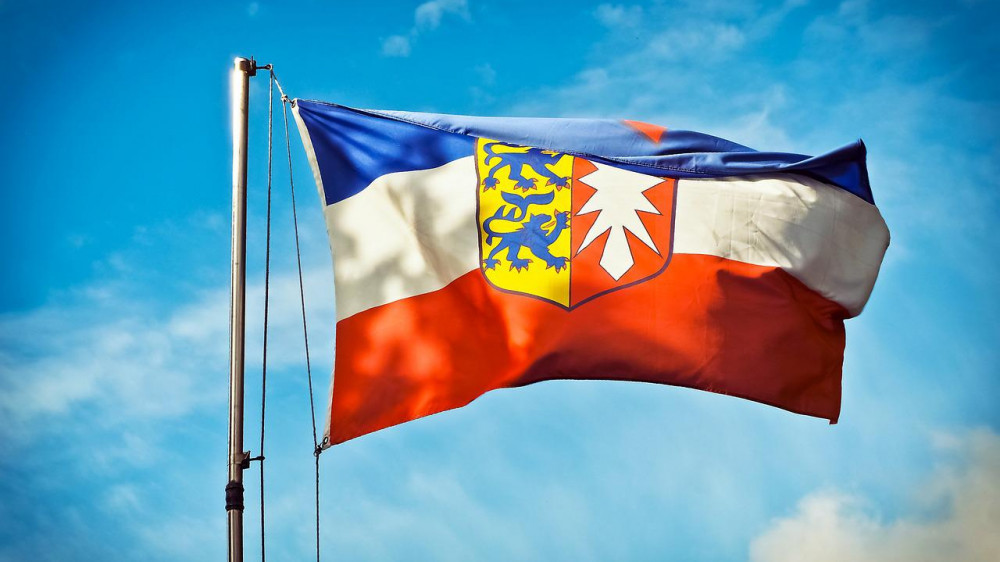
Choice for Civil Servants: The Growing Debate Over Public vs. Private Health Insurance
A significant shift is underway in Germany's public sector benefits, with potential implications for the health insurance market and thousands of civil servants. Following the pioneering "Hamburg Model," the state of Schleswig-Holstein is now actively debating whether to grant its civil servants the choice to opt into the public health insurance (GKV) system with an employer subsidy. This move challenges a long-standing norm where German civil servants (Beamte) typically rely on private health insurance (PKV) coupled with a state reimbursement scheme called Beihilfe. Understanding this debate is crucial for civil servants evaluating their options, for insurers navigating a changing market, and for anyone interested in the evolving landscape of healthcare coverage choices.
What is the 'Hamburg Model'?
Introduced in August 2018, the Hamburg Model broke new ground. For the first time in Germany, it allowed active and retired civil servants to receive an employer contribution toward statutory health insurance (GKV). Previously, this was not a financially viable option. Here’s why:
- Traditional System (Private Insurance + Beihilfe): Civil servants take out a private health insurance policy. Their employer (the state) reimburses 50-80% of eligible healthcare costs through the Beihilfe system. The civil servant pays the remaining premium to the private insurer.
- The Old Barrier to GKV: If a civil servant wanted to join public insurance, they would have to pay both the employee and employer shares of the GKV contribution, receiving no Beihilfe reimbursement. This made GKV prohibitively expensive.
- The Hamburg Solution: The state provides a fixed, lump-sum subsidy (pauschale Beihilfe) equivalent to the employer's share of GKV contributions, making public insurance financially competitive with the private alternative.
By February 2022, over 1,900 active civil servants and 350 pensioners in Hamburg had made the switch, demonstrating the model's appeal.
The Debate Spreads: Schleswig-Holstein and Beyond
The Hamburg Model has created a ripple effect. Several other states—including Berlin, Brandenburg, Bremen, and Thüringen—have since introduced similar choice models. Now, the opposition parties (SPD, FDP, SSW) in the northern state of Schleswig-Holstein have submitted a joint legislative proposal to adopt the model. Saxony has the topic in its coalition agreement, and Baden-Württemberg is considering introducing a lump-sum Beihilfe alternative in the coming year.
This trend signals a growing political willingness to offer greater flexibility in health coverage for public employees, potentially altering the traditional customer base for private insurers.
Comparative Table: Civil Servant Health Insurance Options
| Feature | Traditional Private Insurance (PKV) + Beihilfe | Public Insurance (GKV) under 'Hamburg Model' | US Analogy / Context |
|---|---|---|---|
| Core Funding | Civil servant pays PKV premium; state reimburses 50-80% of costs via Beihilfe. | Civil servant pays employee GKV contribution; state pays employer contribution as a lump-sum subsidy. | Similar to a public employee choosing between a commercial PPO plan (like PKV) vs. being eligible for a state employee health plan that may resemble broader group coverage (like GKV's risk-pooling). |
| Cost Predictability | PKV premiums are age-based and can rise; Beihilfe percentage is fixed. | GKV contributions are income-based (capped); more stable over a lifetime but tied to salary. | Choosing between age-rated private market premiums vs. the income-based cost-sharing of Medicare (though for seniors, not employees). |
| Family Coverage | Spouse/children typically need separate PKV policies (costly). | Spouse/children are often covered at no extra cost in GKV (if they have no income). | PKV is like individual/family marketplace plans. GKV's family coverage is a significant benefit, akin to some generous employer-sponsored plans in the US. |
| Primary Motivation for Choice | Often faster specialist access, private hospital rooms, perceived premium advantage when young. | Income-based cost stability, family coverage, no medical underwriting, solidarity principle. | Mirrors the US choice between a high-deductible plan with an HSA (potentially cheaper for the healthy) vs. a more comprehensive PPO with higher premiums but better predictability. |
The Opposition: Arguments Against the Model
Not everyone supports this expansion of choice. Critics, including the German Civil Service Federation (dbb) and the Association of Private Health Insurers (PKV-Verband), raise several concerns:
- Erosion of the Civil Service Attractiveness: The dbb argues the traditional Beihilfe system is a key perk that makes public sector careers attractive. Diluting it could harm recruitment.
- Financial Impact on Public Insurance: Critics question whether adding generally healthier civil servants (who are medically vetted for PKV) to the GKV risk pool provides a sustainable financial boost or merely offers short-term relief.
- Complexity and Bureaucracy: Managing two parallel support systems (traditional Beihilfe and lump-sum subsidies) could increase administrative costs for states.
What This Means for Civil Servants and the Insurance Market
For civil servants in states adopting the model, this represents a major personal finance decision. They must weigh:
- Long-Term Cost Trajectory: Comparing the age-based increases of PKV against the income-based stability of GKV over a 30-40 year career.
- Family Situation: The GKV's family coverage is a massive financial advantage for those with a non-working spouse or multiple children.
- Health Status: Switching from PKV to GKV is generally a one-way street; returning to PKV later may require new medical underwriting.
For the private health insurance industry, the trend represents a potential slow erosion of a stable, desirable customer segment. It may force PKV companies to innovate, offer more flexible products, or enhance their value proposition for civil servants.
Conclusion: A Move Toward Greater Consumer Choice
The debate in Schleswig-Holstein is part of a broader movement to increase consumer choice in healthcare. Whether this model spreads further remains to be seen, but it undeniably empowers civil servants with more control over their health coverage and financial planning. For anyone facing a similar choice—between different types of employer-sponsored plans in the US or between systems in Germany—the key takeaway is to conduct a meticulous, long-term analysis. Consider not just today's premium, but future costs, family needs, and the security each system offers throughout your career and into retirement. Informed choice is the best foundation for lasting healthcare security.