SCHUFA to Alert Consumers on Negative Entries: A Transparency Boost or Data Privacy Risk?
For millions in Germany, the SCHUFA score is the invisible gatekeeper to financial life. A negative entry can mean rejected loan applications, denied installment plans, and failed apartment rentals. Historically, consumers often discovered these damaging entries only after the fact—when a bank said "no." Now, SCHUFA Holding AG plans a significant shift: proactively notifying users when a negative entry is logged in their file. Announced by CEO Tanja Birkholz, this service aims to increase transparency and help individuals quickly identify errors or fraud. However, there's a catch: access requires installing the SCHUFA-owned "Bonify" app, a condition that immediately raises red flags for data privacy advocates. This move marks a pivotal moment in the balance between consumer rights and corporate data power in Germany's credit landscape.
The Promise: Proactive Alerts for Greater Control
The core benefit of the new service is timely information. Instead of being blindsided, consumers would receive an alert, allowing them to:
- Identify Errors Faster: Banks and telecom companies can submit incorrect data. An alert enables you to dispute and correct errors promptly, as SCHUFA is legally obligated to delete wrongful entries upon proof.
- Detect Fraud Early: As Birkholz herself experienced with identity theft, unauthorized credit inquiries can damage your score. Early notification can trigger a fraud investigation.
- Understand Score Impacts: The service could demystify how certain behaviors (like frequently opening new accounts for testing, as Birkholz admits to) affect your rating.
The service is slated to launch by the end of the year via the Bonify app.
The Privacy Dilemma: The Cost of Convenience
Consumer advocates, including Gerhard Schick of Finanzwende, view the app requirement with deep skepticism. The central concern is data hunger and increased corporate power.
| Potential Risk | Explanation |
|---|---|
| Expanded Data Access | Installing an app often grants permissions that could be used to collect additional behavioral data beyond credit information. |
| Conditional Service | There is fear that future services (like improved scoring) might be made conditional on granting even more access, such as the planned 2024 feature allowing SCHUFA to analyze bank transaction data (with explicit consent). |
| Centralization of Power | SCHUFA already holds immense influence. Gaining direct insights into bank account patterns would make it an even more powerful arbiter of financial opportunity. |
| Security Vulnerabilities | Any app handling sensitive financial data is a potential target for hackers, requiring the highest security standards. |
Remember: SCHUFA Isn't the Only Player
It's crucial to know that SCHUFA is not the only credit bureau in Germany. Other agencies like Creditreform, Bürgel, and infoscore also collect data. A loan denial might stem from a negative entry at one of these other bureaus. You have the right to a free data disclosure (Datenauskunft) from each once per year.
How to Proactively Manage Your Credit Score (SCHUFA & Beyond)
While awaiting SCHUFA's alert service, you should take active control of your credit data:
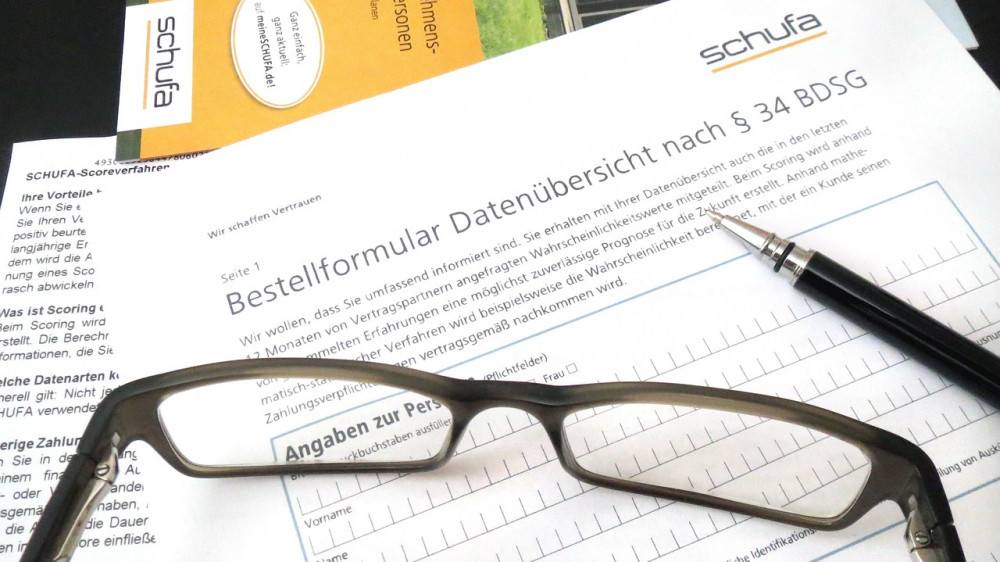
- Exercise Your Right to Free Disclosure: Request your free SCHUFA report (Datenauskunft nach Art. 15 DSGVO) annually at meineschufa.de. Check for inaccuracies.
- Dispute Errors Immediately: If you find a mistake, contact both the company that submitted the data (e.g., your bank) and SCHUFA in writing to demand correction.
- Monitor for Fraud: Regularly review your report for unfamiliar credit inquiries or accounts you didn't open.
- Understand Score Factors: Maintain a stable address, pay all bills on time, avoid excessive concurrent credit applications, and be mindful that closing old accounts can sometimes negatively impact your score.
- Be Cautious with Apps: Before installing any financial data app, scrutinize its privacy policy, required permissions, and ownership. Weigh the convenience against the potential long-term data sharing implications.
Conclusion: A Step Forward, But Vigilance is Key
SCHUFA's planned notification service is a welcome step toward transparency, acknowledging consumers' right to know what data is held about them. In a system where errors and identity theft can have severe consequences, early alerts are valuable. However, the implementation via a proprietary app demands careful scrutiny. Consumers must not trade one opacity for another—this time regarding how their data is used within the digital ecosystem. The ultimate power still lies in exercising your existing rights to access and correct your data, maintaining healthy financial habits, and making informed choices about which tools you allow into your financial life.