Why Belly Fat is More Than a Cosmetic Concern
You might be generally happy with your body, but those stubborn love handles or a persistent belly bulge can be frustrating. It's important to understand that belly fat—specifically visceral fat—isn't just about aesthetics; it's a critical health marker. Visceral fat surrounds your internal organs and acts like an active endocrine gland, secreting inflammatory hormones that can lead to insulin resistance, high blood pressure, and increased risk of heart disease and type 2 diabetes. Tackling this fat is a vital step for your long-term well-being, and the good news is, significant progress can be made through strategic lifestyle changes, even without a formal exercise regimen.
Key Strategies to Reduce Belly Fat (No Gym Required)
1. Master Your Diet: It's About What You Eat (and Don't Eat)
The most powerful lever for losing belly fat is your nutrition. You must become strategic about your food choices.
Eliminate or Drastically Reduce:
- Added Sugars & Sweetened Drinks: Sodas, juices, fancy coffees. Sugar is directly linked to increased visceral fat storage.
- Refined Carbohydrates: White bread, pasta, white rice, pastries, and most breakfast cereals. These spike blood sugar and insulin, promoting fat storage.
- Ultra-Processed Foods & Trans Fats: Packaged snacks, fast food, and many frozen meals.
- Excessive Alcohol: Often high in empty calories and can disrupt fat metabolism.
Focus On:
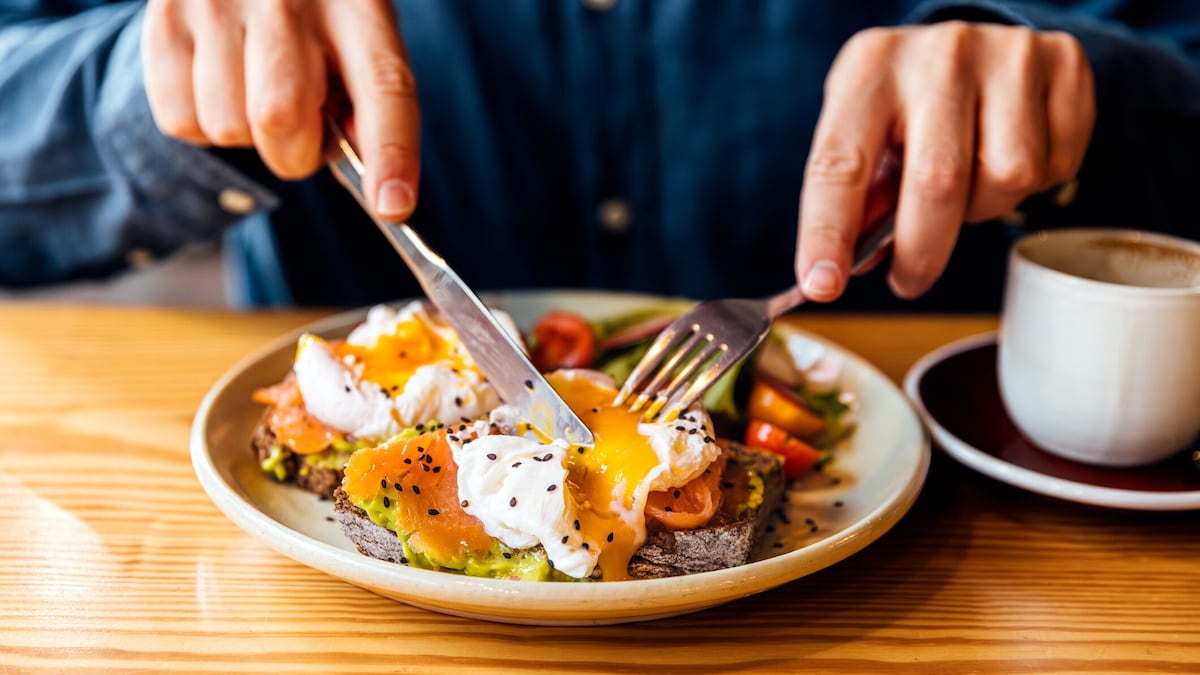
- High-Quality Protein: Chicken, fish, eggs, legumes (beans, lentils), tofu. Protein increases satiety and boosts metabolism.
- Fiber-Rich Foods: Vegetables, fruits, and 100% whole grains like oats and quinoa. Fiber keeps you full, feeds good gut bacteria, and helps regulate blood sugar.
- Healthy Fats: Avocados, nuts, seeds, olive oil. These fats support hormone function and reduce inflammation.
2. Prioritize Sleep and Manage Stress
These two factors are non-negotiable for hormonal balance, which directly controls fat storage, especially around the abdomen.
Sleep (7-9 hours/night): During deep sleep, your body releases human growth hormone (HGH), which aids fat burning. Lack of sleep increases cortisol (a stress hormone) and ghrelin (the hunger hormone), making you crave sugary, fatty foods. Aim for consistency.
Stress Management: Chronic stress keeps cortisol levels elevated. Cortisol signals your body to store energy, preferentially as abdominal fat. Incorporate daily stress-reduction practices: 10 minutes of meditation, deep breathing, walking in nature, or journaling.
3. Leverage Key Nutrients: Vitamin C, Vitamin D, and More
Certain nutrients play a direct role in fat metabolism.
- Vitamin C: Research from the University of Arizona suggests Vitamin C can boost fat burning by over a third. It's essential for producing carnitine, a molecule that helps your body turn fat into energy. It also supports the production of fat-burning hormones like norepinephrine. Sources: Citrus fruits, bell peppers, strawberries, broccoli.
- Vitamin D: Studies, including one from the University of Minnesota, link adequate Vitamin D levels with lower amounts of belly fat. Vitamin D may influence fat cell development and storage. Sources: Sunlight, fatty fish, fortified foods; consider a supplement if levels are low.
- Protein & Fiber: As mentioned, these increase the thermic effect of food (calories burned during digestion) and keep you feeling full longer.
4. Implement Time-Restricted Eating (Intermittent Fasting)
This isn't a drastic diet, but a simple pattern of eating. By condensing your daily food intake into a specific window (e.g., eating only between 12 PM and 8 PM), you give your body an extended period with low insulin levels. This allows it to tap into stored fat for energy—a process called autophagy. A 12-14 hour overnight fast is a great, manageable starting point. Simply stop eating 2-3 hours before bed and delay your first meal the next morning.
Your Action Plan: A Daily Routine to Target Belly Fat
| Time of Day | Action | Goal |
|---|---|---|
| Morning | Drink a large glass of water. Consider delaying breakfast (if practicing IF). | Hydrate, extend fat-burning fast. |
| Meals | Build each meal around protein + vegetables + healthy fat. Avoid sugary drinks. | Control insulin, maximize nutrients, stay full. |
| Snacks | Choose whole foods: a handful of nuts, an apple, Greek yogurt. | Prevent blood sugar crashes and cravings. |
| Evening | Finish eating 2-3 hours before bed. Engage in a relaxing activity (no screens). | Support digestion, lower cortisol, improve sleep quality. |
| Night | Aim for 7-9 hours of quality sleep in a dark, cool room. | Optimize fat-burning hormones (HGH) and recovery. |
The Bottom Line
Losing stubborn belly fat is less about extreme measures and more about mastering the fundamentals of metabolic health. By strategically changing your diet to eliminate sugar and refined carbs, prioritizing sleep and stress management, ensuring key nutrient intake, and considering your eating window, you create an internal environment where your body is encouraged to release stored fat. While exercise is a fantastic complement for overall health and muscle tone, these core lifestyle adjustments provide the foundation for effective and sustainable belly fat loss. Start with one or two changes, build consistency, and observe the positive shift in your body and health.